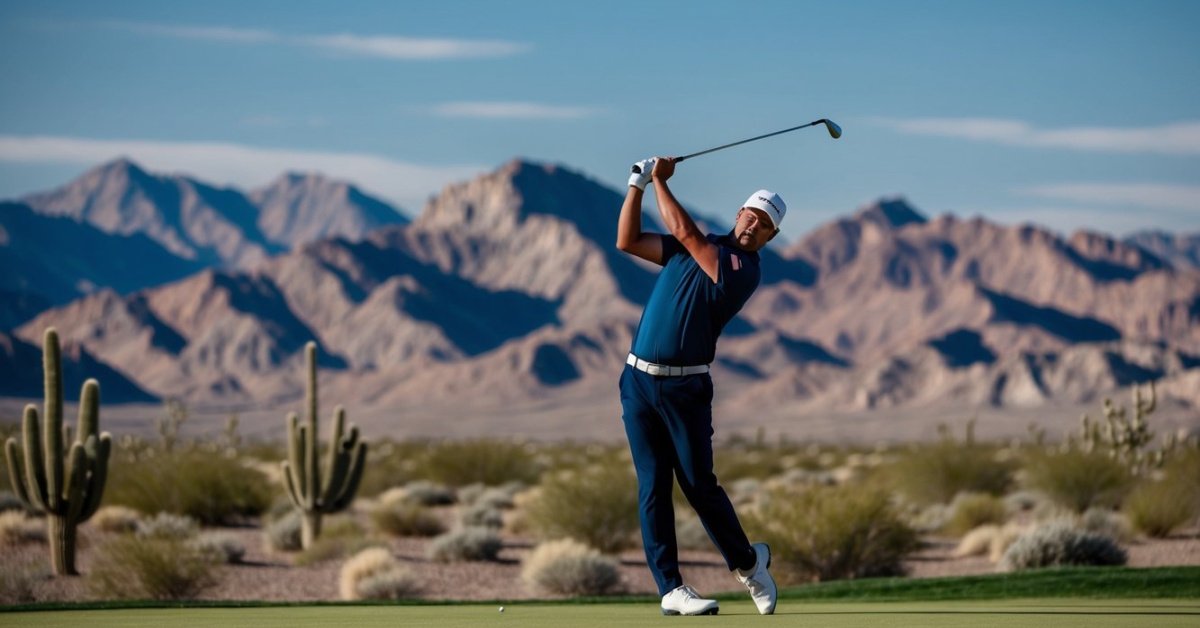
Starting your golf journey can be as exciting as it is daunting, especially when it comes to gear. You’re probably wondering if the type of golf ball really makes a difference. Well, it does! The right ball can change your game.

In this article, we’ll dive into what makes a golf ball great for beginners. You’ll learn about construction, compression, and the little features that can give your game a big boost. So, grab your clubs, and let’s tee up some knowledge that’ll help you hit the fairway with confidence.
Types of Golf Balls for Beginners
When you’re starting out in golf, it’s crucial to pick a ball that matches your skill level and playing style. As a beginner, you’ve got a lot to consider when hitting the links, and your choice of ball is more important than you might realize.
Two-Piece Golf Balls are typically the best choice for beginners. They have a solid core and a durable cover which provides the perfect combo of distance and durability. Their design helps reduce spin, which can minimize the chances of your shots veering wildly off course. With these balls, you’ll likely see your drives go further even if your swing isn’t perfect.
On the flip side, there are Multi-Layer Golf Balls. These are more suitable for experienced players with faster swing speeds. They can provide better control and feel around the green, but as a beginner, the advanced characteristics of multi-layer balls might not yet be noticeable in your game.
Key Characteristics to Look For
- Soft Feel: A softer ball can increase your control, particularly on the green.
- Low Spin: Balls designed for low spin can reduce hooks and slices, making your shots more consistent.
- Distance: You want a ball that compensates for slower swing speeds by maximizing distance.
Let’s break things down into a simple comparison:
| Feature | Two-Piece Balls | Multi-Layer Balls |
|---|---|---|
| Feel | Firmer | Softer |
| Spin | Lower | Higher |
| Distance | Greater for beginners | Less for beginners |
| Control on Green | Less | More |
Now that we’ve demystified the types of balls, you’ll be better equipped to make a smart choice. Remember, as your skills evolve, so will your need for different ball characteristics. But for now, simplicity in design will serve you best.
Armed with this knowledge, you can focus on improving your game and enjoying your time on the fairway. The right golf ball won’t make you the next golf prodigy overnight, but it can certainly help lower your scores and boost your confidence shot after shot.
Importance of Construction for Beginners
When you’re a beginner, the construction of your golf ball is pivotal as it can drastically affect your performance on the course. Two-piece golf balls, which consist of a solid core and a durable outer cover, are generally the go-to option for new golfers. These balls are designed for maximum distance and durability, which are essential when you’re still getting the hang of your swing and likely to lose a few balls to the hazards.


« Golf Ball Divers’ Earnings Per Ball Revealed
How Does a Golf Ball Fly? Unlock the Secrets of Perfect Ball Flight »
Unlike more experienced players who might require a ball that responds to nuanced shots, as a beginner, your focus is on improving your overall game. Two-piece balls offer a consistent flight pattern and reduced spin, resulting in straighter shots off the tee. They’re also known for providing a softer feel upon impact, which can be quite forgiving if you tend to miss-hit.
While many seasoned golfers opt for multi-layer balls to control spin and trajectory, these balls can be challenging for a beginner. However, if you feel that you have moved past the very basics and want a taste of what more advanced balls have to offer, consider trying out three-piece golf balls. These balls have an additional layer between the core and cover which can aid in spin control without overly complicating your game.
Remember, a typical golf ball can have anywhere from two to five layers each affecting flexibility, control, and feel. As you progress, experiment with balls of varying constructions to find what enhances your game. Your swing speed and the courses you play can also help dictate the type of ball construction that’s right for you.
In essence, as a beginner, strive for golf balls that promote ease of use and forgiveness. There’s plenty of time to refine your choices as your skill level advances and you become more attuned to how slight adjustments in ball construction can influence your shots.
Understanding Compression for Beginners
When you’re hitting the links, the term ‘compression’ might come up among fellow golfers. If you’re scratching your head at what this means, don’t worry. Compression refers to the density of your golf ball or, to put it simply, how much the ball ‘squishes’ when hit. As a beginner, knowing about compression is critical because it affects the feel and distance of your shot.
Golf balls typically have a compression rating that ranges from low to high. Low compression balls rate between 45-70 and are softer, making them ideal for those with a slower swing speed. You’ll likely fall into this category as you start. These balls compress more on impact, resulting in less vibration to your hands and often, more distance.
On the other hand, high compression balls (90-100+) are the territory of players with faster swings who can compress the ball enough to make it soar. It’s not just about strength; it’s about the speed and precision of your swing. Chances are, you won’t need these just yet.
Here’s a quick overview of compression ratings and who they’re best suited for:
| Compression Rating | Swing Speed | Best Suited For |
|---|---|---|
| 45-70 | Under 85 mph | Beginners & Slower Swings |
| 70-90 | 85-95 mph | Intermediate Players |
| 90-100+ | Over 95 mph | Advanced Players |
So why does this matter for your game? A ball that matches your swing speed will help you achieve a better transfer of energy from the club to the ball, which translates to more distance and control. As you’re sampling golf balls, remember this rule of thumb: if you can’t compress it, you can’t control it. Start with low compression and work your way up as your swing speeds increase. You’ll notice how the ball behaves differently with each shot, giving you physical feedback on your progress.
Features that Benefit Beginners
Golfing can be challenging when you’re just starting out. It’s crucial to choose golf balls that complement your level of play and support your development in the game. As you browse the aisles for your next sleeve of golf balls, there are specific features you’ll want to keep in mind that can greatly benefit a beginner.


Soft Feel: You’ll appreciate a softer feel when you’re on the green. Soft golf balls tend to be more forgiving on poor strikes, which can be quite common as you’re perfecting your swing. They offer better control and can help you get a better sense of your game.
Durability: Don’t overlook the importance of durability. As a beginner, your golf balls are likely to take a beating. Be it from errant shots that find the trees or the occasional skim across a cart path, a durable cover material like Surlyn can withstand these impacts and last longer during your early years of play.
Construction: Pay attention to the construction of the ball. Two-piece golf balls with a large, solid rubber core are ideal for beginners. They are designed to reduce spin, thereby minimizing the risk that your shots will veer severely off course. These balls also help to maximize distance, even when your swing isn’t generating the highest speeds.
Visibility: Ever lose track of where your ball goes after you hit it? High visibility golf balls in bright colors like yellow or orange are much easier to spot on the fairways and in the rough. Losing fewer balls keeps the game enjoyable and more cost-effective.
Here’s a quick snapshot of what to look for:
- Soft Feel for better control and forgiveness
- Durability to sustain more wear and tear
- Two-Piece Construction to minimize spin and maximize distance
- High Visibility to keep track of your shots easily
Getting the right golf ball is about matching these features with your current skill level. Remember, the goal is to improve your game without the extra frustration, so give yourself the advantage with a ball that’s built for your needs. As your swing speed and technique improve, you’ll find that the world of golf balls opens up even further, offering a myriad of options tailor-made for the developing golfer.
Conclusion
Choosing the right golf ball can make a significant difference in your game as a beginner. Remember, you’re looking for a ball that complements your current skills and helps you grow into the golfer you aim to be. Start with something that offers a soft feel and durability, and don’t underestimate the benefits of two-piece construction and high visibility. These features will not only help you play better but also enjoy the game more. As you progress, your golf ball needs will evolve, and you’ll be ready to explore more specialized options. For now, focus on the basics and watch your game improve shot by shot. Happy golfing!
Frequently Asked Questions
What features make a golf ball beginner-friendly?
Beginner-friendly golf balls typically have a soft feel, durability, two-piece construction, and high visibility. These features help with control, forgiveness, and keeping an eye on the ball during play.
Why is a soft feel important in a golf ball for beginners?
A soft feel in a golf ball allows for better control and forgiveness, which can help beginners as they are developing their technique.
How does durability benefit beginner golfers?
Durability in golf balls ensures they can withstand multiple rounds of impact without significant wear, saving beginners money on replacements and providing consistent play.
What is the advantage of two-piece construction in golf balls for beginners?
Two-piece construction in golf balls typically reduces spin, which can help beginners by maximizing distance and reducing the tendency for slices or hooks.
Why is high visibility important for golf balls?
High visibility in golf balls makes it easier for players to track their shots, especially in challenging lighting conditions or when learning to control shot direction.