You’ve lined up your shot, the green is immaculate, and the hole’s just a putt away. But wait, have you ever wondered if you’re putting with the right golf ball? It’s a question that could change your game.

Choosing the best putting golf ball is crucial for shaving strokes off your score. In this article, you’ll discover the top contenders that promise to roll true and help you sink more putts.
We’ll dive into what makes a putting golf ball great, from its feel and construction to its performance on the greens. You’re about to find out how the right ball can become your secret weapon on the course.
What Makes a Putting Golf Ball Great
When you’re sizing up a putt, the golf ball you’ve chosen becomes your closest ally on the green. Feel is paramount. You need a ball that communicates with you through your putter. It should provide a soft response that echoes confidence. Golf is as much about feeling as it is about mechanics, and the right golf ball feels like an extension of your will.
Next up is construction. A multilayered ball, often with a softer outer layer, allows for better control and a consistent roll. This is critical because when you’re on the green, the precision of your putt, rather than distance, is what will shave strokes off your game. Advanced materials and technology play a huge role; the right dimple pattern and cover material can minimize skids, promoting a more accurate and predictable path towards the hole.
Then there’s performance. You want a ball that maintains its line, holds well on the green, and doesn’t succumb easily to external factors like wind or slope. Performance ties back to construction—the better the build, the more reliable the ball will be under the pressure of high-stakes putts. This performance also refers to how the ball behaves during those clutch moments that define a round.
Lastly, consistency is key. Golf is a game of repetition and the more consistent your ball, the better you can gauge your strokes and improve. You want a ball that behaves the same way every time it’s struck with your putter. Inconsistencies in ball behavior can throw off even the most experienced players, leading to missed putts that could have been sunk.
- Feel: A soft response that maximizes confidence on the green.
- Construction: A multilayered design for better control and consistent roll.
- Performance: Minimizes skid, holds the line, and withstands variables like wind.
- Consistency: Reliable behavior on each putt for improved accuracy over time.
Remember, the best putting ball might not be the best option for every aspect of your game, but when it comes to putting, these are the qualities that can help lower your score and enhance your performance on the greens.
Factors to Consider When Choosing a Putting Golf Ball
When you’re eyeing the perfect putt, the choice of your golf ball can be just as crucial as your putting stroke. Selecting the best golf ball for putting can boil down to several critical factors.


« Who Makes Golf Balls for PXG? Unveiling the Masters Behind the Game
How to Tell if Your Dog Swallowed a Golf Ball: Spot the Signs Now »
First off, pay attention to the compression of the ball. This refers to the density of the ball and how it reacts when struck. Lower compression balls tend to be softer, allowing for better control and a softer feel, which is ideal when you’re on the green. A meatier feedback from a higher compression ball might not give you the finesse you crave during those delicate putts.
Next, glance over the cover material. For putting, Urethane covers offer superior softness and spin control compared to Surlyn covers, which are typically harder. The softer the cover, the more responsive it’ll be to your putt, providing invaluable feedback through your putter.
- Urethane-covered balls: Greater spin control and softness
- Surlyn-covered balls: More durable but less spin-sensitive
Another aspect you can’t ignore is the ball’s dimples. They influence the ball’s flight and how it rolls on the green. More uniform and symmetrical dimples on a ball can lead to a more predictable roll which is key to mastering those straight putts.
The ball’s construction also plays a pivotal role. Multilayer balls often come with a soft outer layer and a firmer core, delivering both distance and control. This can be a godsend when you’re trying to sink putts with precision.
Remember, while all these factors are essential when selecting your putting golf ball, it’s also important to get out and test different balls. Feel how they react to your putter and assess their performance on the green. No amount of technology can substitute for the confidence you gain from experience. So, trust your instinct as much as the specs – after all, putting is as much about feel as it is about mechanics.
The Importance of Feel and Construction in a Putting Golf Ball
When you’re out on the green, the feel of your golf ball is everything. You know it the moment you contact the ball — that soft, responsive sensation that tells you you’ve hit a pure putt. But it’s not just about comfort; it’s about control. A golf ball with the right feel helps you manage speed and distance with precision.
High-quality construction plays a pivotal role in that feel. Think of your golf ball as a piece of high-tech equipment. The way it’s built, layer by layer, can dramatically influence its behavior on the green. A well-constructed ball will have a core and cover that work together to create consistency in your putts. For a low handicapper like you, consistency is king.
Multilayer construction is something you might be familiar with. These balls have soft covers for that much-needed feel and firmer cores for distance. The trick is to achieve a balance. Too firm, and you’ll struggle with touch and nuance. Too soft, and you might lose the power behind your shot.
Let’s talk about compression. You’ve likely heard of it, and it matters just as much for putting as it does for your drives. Lower compression balls tend to offer better control and a softer feel which is ideal for putting. But remember, the goal is to match the ball to your swing. Your skill level and swing speed should guide your choice.
As for cover material, there’s no one-size-fits-all answer, but many pros lean toward Urethane due to its superior spin control and softness. It provides the grip on the green you need for those critical shots.


In the end, don’t discount the significance of dimples and their influence on your ball’s aerodynamics. Uniform, symmetrical dimples contribute to a straight roll, instilling confidence in your putt.
Testing different balls on the practice green can give you a wealth of information. Pay attention to how the ball reacts to different strokes and surfaces. Only through experimentation and a keen understanding of how construction affects performance can you find the perfect putting golf ball for your game.
Evaluating Performance: How Putting Golf Balls Perform on the Greens
When you’re on the green, meticulous evaluation of your golf ball’s performance is key. You want a ball that responds predictably to your putter’s strike, with a roll that’s true to your aim. Different balls can behave quite distinctly upon impact. For instance, soft golf balls tend to absorb more force, resulting in a smoother roll, whereas harder balls can skip or bounce, potentially causing issues with distance control.
The On-Green Checklist
You’ll want to consider a few aspects while watching your ball on the green:
- Initial skid: When first struck, the ball will skid before it starts rolling smoothly. Note how quickly your ball transitions from skid to roll.
- Roll Consistency: Pay attention to the ball’s roll. Is it consistent and does it stay on the intended line? This is where those uniform dimples really come into play.
- Distance Control: Observe how well you’re able to judge the distance with different balls. The correct ball should complement your natural touch and feel.
- Reacting to Green Conditions: On a wet green, balls will roll differently than on a dry one. A ball that’s versatile across various conditions is worth its weight in gold.
The Importance of Greenside Feedback
After you’ve hit your putt, focus on how the ball behaves and the feedback it provides your hands. A high-performance ball will communicate effectively the quality of your strike. It’s not just about watching the ball but feeling the strike through your hands.
Consider taking notes during your putting sessions. Record which balls perform best under specific conditions. It’s these subtleties that might tip the scale in favor of one ball over another. Remember, the best putting golf ball for your game will excel in alignment with your strengths and help mitigate your weaknesses.
As you refine your choice through testing on the greens, remember that practice is as crucial as the equipment. The more you understand the dynamics of your putting stroke and the way your golf ball responds, the closer you’ll be to sinking those pivotal putts.
Top Contenders: Putting Golf Balls That Promise to Roll True
When you’re out on the green, the last thing you want is uncertainty when you take your putt. You’re after consistency, a golf ball that behaves as if it’s got a homing device for the hole. Let’s dive into the top performers that promise such reliability.
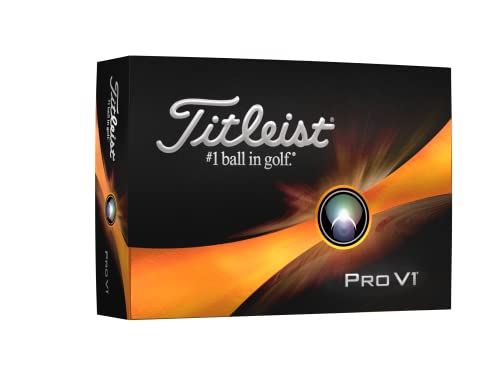
Titleist Pro V1 and Pro V1x are often the go-to options for scratch golfers and they’re tough to beat when it comes to putting. Their reputation is well-earned, with a stellar balance of feel and performance. Because of their urethane covers and quality construction, they provide that soft but solid contact that transmits just the right amount of feedback to your hands.
Switching gears, check out the Bridgestone Tour B Series. It might fly under the radar compared to Titleist, but don’t underestimate these balls. They offer a Dual Dimple design, which aids in reducing the initial skid and promotes a smoother roll.
For those who favor a softer feel, Callaway Chrome Soft might be your match. With its Graphene-infused Dual SoftFast Core, you’re getting a low-compression ball that aids in distance control, especially on slower greens where touch becomes pivotal.
Srixon Z-Star XV might not be the first ball you think of for putting, but it should be on your radar. Its high level of greenside spin allows for precise control, while the urethane cover ensures the ball rolls true to its path.
No list would be complete without discussing the TaylorMade TP5 and TP5x. They boast a 5-layer construction designed to perform with every club, including your putter. The softer TP5 in particular provides a wonderful feel on the greens, while the TP5x offers a firmer response, which some players prefer.
While it’s important to remember that personal preference and feel play significant roles in choosing the right golf ball, these contenders are renowned for their reliable putting performance. So next time you’re looking to stock up, give one, or a few, of these a roll; you might just find the perfect fit for your game on the greens.
Conclusion
You’ve seen the top contenders and what they can bring to your putting game. Whether it’s the precise control of the Titleist Pro V1 series, the advanced technology of the Bridgestone Tour B, or the soft touch of the Callaway Chrome Soft, there’s a ball out there that’ll feel like it was made just for you. Remember, while the specs are a fantastic guide, your final choice should hinge on how the ball feels when you’re lining up that crucial putt. So go ahead, trust your instincts and find that perfect golf ball that’ll have you sinking putts with confidence. Happy golfing!
Frequently Asked Questions
What makes a golf ball great for putting?
A golf ball that excels in putting typically has a good feel and a construction that enables it to roll true and consistently on the greens. Factors such as softness, urethane covers, and low compression can contribute to its performance when putting.
Why is the feel of a golf ball important in putting?
The feel of a golf ball is important in putting because it gives the golfer feedback on the quality of the stroke, influencing control and confidence. A golfer’s touch and preference in feel can greatly affect their performance on the green.
What are some top golf balls for putting?
Some of the top golf balls for putting include the Titleist Pro V1 and Pro V1x, Bridgestone Tour B Series, Callaway Chrome Soft, Srixon Z-Star XV, and TaylorMade TP5 and TP5x, which are praised for their reliable performance on the greens.
What features do the recommended putting golf balls have?
Recommended golf balls for putting often feature urethane covers for soft feel, low compression for better control, and design technologies like dual dimple patterns or 5-layer constructions to aid putting consistency.
How important is personal preference when choosing a golf ball for putting?
Personal preference is extremely important when choosing a golf ball for putting since each golfer’s feel and playing style is different. Trying out various golf balls to see which best suits your putting game is recommended.