Ever shanked a drive or flubbed a chip shot? Don’t sweat it! We’ve all been there, and thankfully, there’s a little magic in the right golf ball to help you out. In this article, you’ll discover the most forgiving golf balls that’ll make your game more enjoyable, even when your swings aren’t picture-perfect.

You’ll learn why certain balls can turn those dreaded hooks and slices into manageable mishits and which ones can give you that extra edge on the green. So, if you’re looking to lower your handicap and up your game, stick around—these golf balls might just be your new best friends on the course.
What makes a golf ball forgiving?
When you’re out on the fairway, you know that not every swing can be your best. That’s where forgiving golf balls come into play. They’re engineered to help your game where it counts the most. So, what makes a forgiving golf ball stand apart from the rest? Let’s dive into the specifics.
First off, it’s all about the core. A low-compression core is key for maximizing energy transfer, especially if you don’t always hit the ball dead center. This soft core allows for a better feel and control, letting you drive the ball farther even with less-than-perfect contact. Lower swing speeds benefit greatly from this feature, adding much-needed distance to your shots.
Next, the dimples play a more critical role than you might think. These tiny indentations affect the aerodynamics of the ball, influencing how it flies through the air. Forgiving balls are designed with dimple patterns that promote a straighter flight, reducing hooks and slices that can plague your round. The goal is a consistent ball flight, which translates into shots that are more likely to land where you intended.
The cover of the ball is another essential piece of the puzzle. Typically, uréthane or softer ionomer covers on forgiving balls offer better grip on the club face during impact, leading to increased spin control. This is crucial when you’re approaching the green, as it can help the ball stop more quickly and accurately.
Lastly, the construction of the golf ball also matters. Most forgiving balls come in two-piece or multi-layer designs. Two-piece balls usually have a solid core with a durable cover and are geared towards distance and durability. Multi-layer balls, on the other hand, offer an additional inner layer or layers that aid in spin control and feel, which can be helpful for your short game.
While technology and construction are pivotal, remember that your skill level and swing speed will also dictate which golf ball is the most forgiving for you. It’s always best to try out a few different types to find the sweet spot that complements your game.
The importance of forgiveness in golf
As a low handicapper, you know the sweet satisfaction of a well-hit ball. You’ve got the swing down, but every stroke still counts, and that’s where forgiveness in a golf ball becomes your silent ally. Every golfer, even pros, can miss the center of the clubface. Hence, a forgiving ball isn’t just about salvaging a bad shot—it’s about making a good shot better.


« Golf Ball Comparison Chart: Unlock Your Best Game Yet
Yellow vs White Golf Ball: The Surprising Winner for Visibility & Focus »
Forgiveness in a golf ball is crucial because it minimizes the penalties from mishits. With a forgiving ball, you’ll see less deviation from your intended path, enabling you to approach the green with confidence, even if your swing wasn’t picture-perfect. This forgiveness is the result of advanced golf ball technology that focuses on balancing performance and usability.
While discussing golf ball forgiveness, it’s important to understand that it’s not solely about your ability to play—it’s about enhancing consistency. Consistent ball flight, even spin rates, and reliable distances shape your game, enabling you to make strategic plays. When you don’t have to compensate heavily for slice tendencies or fret over every imperfect contact, you play a mentally easier and more resourceful game.
Golf isn’t just a physical game; it’s psychological. A ball that you trust to perform dutifully takes a load off your mind, letting you focus on the nuances of the game, reading the course, and outsmarting the competition. As you stand on the tee, a forgiving golf ball in your hands signals more than technology—it’s a testament to a game well-equipped to handle the inevitable variations in your shots.
Remember, forgiveness in your equipment can be your edge. Even on days when your swing feels less than immaculate, a forgiving golf ball will ensure that your scorecard doesn’t have to reflect it. Embrace the design and technology that go into these golf balls, and let their forgiveness elevate your game to the next level.
Top characteristics to look for in a forgiving golf ball
When you’re out on the course, knowing the ins and outs of your equipment can be as crucial as your swing. If you’re looking to improve your game with a forgiving golf ball, there are several key features you’ll want to pay attention to.
Soft Feel
A soft feel is paramount. Typically, a forgiving golf ball will have a low compression core, which means it’ll compress more easily upon impact, giving you that soft feel off the clubface. This can help with controlling your shots, especially around the green, where touch and precision are everything.
- Low Compression Core for softer feel and better control
- Thin Urethane Cover that enhances spin around the greens
Consistent Flight
You’ll also want a ball that offers consistent flight. A well-designed forgiving ball will have aerodynamic features that promote a stable and predictable trajectory, even when you don’t hit it dead center.
- Aerodynamic Dimples to reduce air resistance and enhance stability
Enhanced Durability
Forgiving golf balls are often made with durable materials, ensuring that your ball can withstand the rigors of multiple rounds. Look for one with a resilient cover that resists scuffs and cuts.
- High-Quality Materials for longer-lasting play
High Visibility
In addition to performance characteristics, high visibility can be a bonus. It’ll be easier for you to follow your ball in flight and find it after your shots, which gives you one less thing to worry about.
- Bright Colors or Distinct Patterns for easy tracking
By considering these factors, you’re well on your way to selecting a golf ball that not only forgives your errant shots but also enhances your overall play. Remember, choosing the right ball is as strategic as choosing the right club. Take your time experimenting with different brands and models; the perfect forgiving golf ball for your game is out there.


Best forgiving golf balls for high handicappers
Golfers with higher handicaps often search for equipment that can compensate for inconsistencies in their game. Forgiving golf balls are engineered to offer maximum distance and a softer feel even when your swing isn’t perfect.
When you’re perusing the aisles for golf balls that can help shave strokes off your game, look for options that boast low spin. A ball with low spin can minimize the effects of hooks and slices, keeping your shots straighter. Typically, two-piece construction golf balls with large, soft cores are ideally suited to this purpose.
Additionally, premium options that incorporate multi-layer designs with soft mantles promote better energy transfer from the clubface to the ball. This means that even on mishits, you’ll see your ball traveling further than you might expect. Here’s a snapshot of some of the most forgiving golf balls tailor-made for high handicappers:
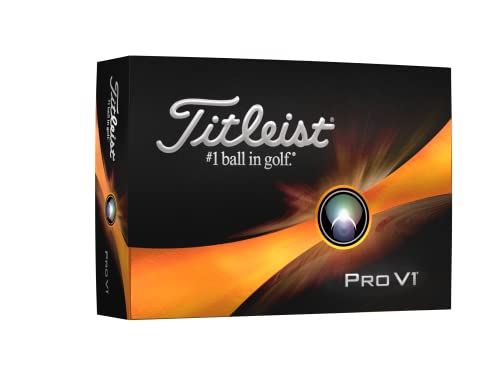
- Titleist Pro V1 and Pro V1x: Despite their tour-level reputation, they offer incredible forgiveness.
- Callaway Supersoft: Known for their ultra-low compression, they’re a go-to for many seeking soft feel and straight flight.
- Srixon Soft Feel: As the name suggests, these offer a gentle touch without sacrificing distance.
- Bridgestone e6: Designed to reduce spin and optimize flight paths.
While the right golf ball won’t fix all aspects of your game, choosing one that’s forgiving can make a significant impact. Balls with enhanced durability are also worth considering. They’ll withstand the wear and tear of play, making them a cost-effective choice in the long run. High handicappers should test different balls under various conditions to see how they perform. This hands-on approach allows you to find the golf ball that complements your unique playing style.
Remember, a forgiving golf ball is a tool that can help level out the playing field. It’s a bridge between the game you play now and the better, more consistent game you’re working toward.
Best forgiving golf balls for mid handicappers
Transitioning from high handicapper to mid handicapper marks a significant milestone in your golfing journey. As you improve, your gear needs to evolve with you. Finding the most forgiving golf ball plays a crucial role in enhancing your game further. Mid handicappers typically look for golf balls that offer a balance between distance and control.
When searching for the ideal golf ball, consider ones that offer moderate spin. These balls will help you work on shaping your shots without sacrificing too much forgiveness. Mid compression golf balls are an excellent choice, as they provide better feel and control compared to low compression balls catered to high handicappers, yet still offer enough forgiveness on off-center hits.
Here are some top golf ball recommendations tailored for mid handicappers:
- Titleist NXT Tour:
This ball is an all-rounder that offers excellent distance and a consistent flight pattern, with a touch more control around the greens compared to the Pro V1. - TaylorMade Project (a):
Designed with an emphasis on soft feel, these golf balls are engineered to perform well for mid handicappers seeking more spin control on approach shots. - Callaway Chrome Soft:
This ball offers the perfect blend of distance with a soft feel and is particularly forgiving.
Incorporating the appropriate golf ball into your game can profoundly influence your performance. Mid handicappers should also pay attention to the durability of the ball. You want a ball that can withstand the rigors of regular play without losing its integrity or performance characteristics.
Ultimately, don’t hesitate to try out different balls on the course. What feels right in the store might perform differently on the fairway or green. Your playing style is unique, and the ball you choose should complement it perfectly. Remember, the right golf ball is an ally that supports your game, enhancing both your skill and enjoyment.
Conclusion
Frequently Asked Questions
What are the key characteristics of forgiving golf balls for mid handicappers?
Forgiving golf balls for mid handicappers typically provide a balance between distance and control, with moderate spin to accommodate their developing skill level.
Why is it important for mid handicappers to choose the right golf ball?
Mid handicappers are at a skill level where the right golf ball can be significant in improving their game by complementing their play style and aiding in distance and accuracy.
What are some recommended forgiving golf balls for mid handicappers?
Recommended forgiving golf balls include the Titleist NXT Tour, TaylorMade Project (a), and Callaway Chrome Soft, each designed to enhance performance for mid-level players.
How does ball spin affect mid handicappers’ game play?
Ball spin influences the flight and stopping power of the ball. Mid handicappers benefit from moderate spin, which provides a good compromise between distance off the tee and control on the greens.
Why is durability important in choosing a golf ball for mid handicappers?
Durability ensures that the golf ball withstands multiple rounds of play without significant wear, providing consistent performance and value over time.
Should mid handicappers stick to one type of golf ball?
It’s encouraged for mid handicappers to try out different golf balls to determine which best suits their specific playing style and preferences for optimal performance.