Ever wondered what to do with those extra golf balls lying around in your garage? Well, you’re in luck! Reselling golf balls can be a surprisingly lucrative side hustle, and we’ve got the scoop on which ones will make your wallet happy.

What are the best golf balls to resell?
When you’re on the prowl for golf balls to resell, your eyes should light up when you spot premium models resting off the fairway. High-end balls like Titleist Pro V1s, Callaway Chrome Softs, and TaylorMade TP5s are akin to finding treasure in the rough. These balls are engineered for performance and, due to their popularity, golfers are often willing to pay a premium for them pre-owned.
Tour-Level Golf Balls tend to retain significant value, and here’s why:
- Built with advanced technology, they offer superior flight, feel, and control.
- They’re endorsed by professionals, increasing their appeal.
- Many golfers aspire to play with the same equipment used on the tour, even if slightly used.
Here are a few specific models that command attention in the resale market:
- Titleist Pro V1 and Pro V1x: These are the gold standards of golf balls. Known for their consistency and quality, they’re always in demand.
- Callaway Chrome Soft: With its Dual SoftFast Core, it’s designed for higher speeds and lower spin, making it a favorite among discerning golfers.
- TaylorMade TP5 and TP5x: The 5-layer construction is a talking point; these balls are celebrated for their performance in all conditions.
It’s not just about the model, though. The condition of the ball plays a hefty role in determining its resale value. Golfers like you are on the lookout for balls that show minimal signs of wear. Mint condition balls could fetch close to their retail value, while those slightly weathered typically sell for less.
Don’t overlook limited edition and custom logo balls either, as they can be unexpectedly lucrative. These specialty golf balls often have a niche market willing to pay more for something that stands out from the standard options.
Keep in mind the time of the year too. Demand for golf balls ramps up during peak golf seasons across different regions. Timing your sales to coincide with these spikes in demand can bump up your profits.
Factors to consider when choosing golf balls to resell
As you dive into the world of reselling golf balls, there are several key factors you’ll want to consider to ensure that you’re getting the best return on your investment. Knowing what to look for makes all the difference between a successful flip and a dud.
Brand Popularity is crucial. Stick with renowned brands like Titleist, Callaway, and TaylorMade. Their tour-level balls are constantly in demand, and golfers recognize and trust the quality they offer.


« Easy Golf Ball Selection: Find Your Perfect Match on the Green
If Golf Ball Is Below Your Feet: Ace Your Swing With These Tips »
The Model of the Ball is just as important. Models such as the Titleist Pro V1 or the TaylorMade TP5 resonate with low handicap golfers because of their performance on the course. You’ll find that the models used by professionals in tournaments are usually the ones that sell the quickest, and at the highest prices, too.
Ball Condition cannot be overstated; it’s paramount when reselling. Golf balls are graded on a scale from mint condition to practice-grade. Mint condition balls fetch top dollar, as they’re the closest to being new without being fresh out of the box. Players will pay good money for balls that look and perform as if they’ve just been teed up for the first time.
- Mint Condition
- Near Mint
- Good
- Practice-Grade
Consider the Seasonality of golf. Demand spikes during peak golf seasons, especially in regions where the weather significantly influences playing conditions. Timing your sales around major tournaments can also benefit your profit margins as enthusiasm for the sport grows during these periods.
Finally, be on the lookout for Limited Editions and Unique Finds. Limited edition balls or those with rare custom logos can command higher prices. Collectors and avid fans might be willing to pay extra for something that stands out from the standard offerings. Keep your eyes peeled for these special golf balls; they can sometimes be a gold mine.
Top 5 golf balls for resale
When you’re aiming to score big in the resale market, it’s all about knowing what your fellow golfers are after. The premium balls that help low handicappers like yourself shatter their personal records are the same ones that’ll fly off the shelves when it’s time to resell. Here’s the rundown on the top 5 golf balls that you should keep an eye out for.
Titleist Pro V1/Pro V1x
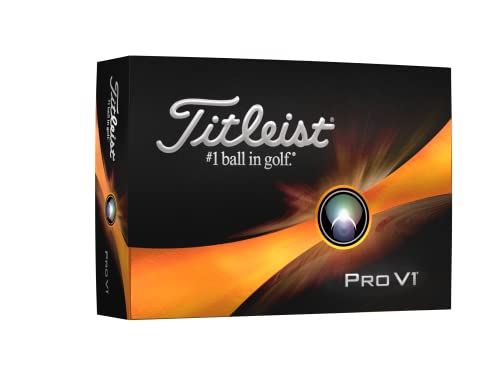
The Titleist Pro V1 and Pro V1x are the holy grail for serious golfers. They’re renowned for their superior performance, offering an exceptional balance of distance, spin, and durability. They’re a no-brainer when it comes to resale, and here’s the kicker — they maintain much of their value even when slightly used, thanks to their lasting quality.
Callaway Chrome Soft
These balls are a treasure on the market, particularly favored for the soft feel and tour-level performance. With a Dual SoftFast Core, they’re engineered for speed while providing a high level of control. They’re a hit with players who appreciate a softer feel, and they gather significant resale interest.
TaylorMade TP5/TP5x
TaylorMade’s TP5 and TP5x are designed to compete at the highest level, with a 5-layer construction that optimizes flight, velocity, and control. They sell like hotcakes amongst players looking for versatility and a decisive edge in their game. Adequately priced, they can turn a handsome profit when resold.
Bridgestone Tour B Series
Bridgestone has been upping their game, and the Tour B series is a testament to that. These balls find a sweet spot with advanced golfers due to their precision and feel. They feature a Reactiv cover that stretches the boundaries of performance, and that innovation sparks a lot of interest in the resale market.
Srixon Z-Star
The Srixon Z-Star line, with its urethane cover and spin-optimized dimple pattern, caters to players who won’t compromise on greenside control. These balls are a magnet for golfers who relish a high-performance ball with exceptional feel. Their popularity ensures they hold a solid resale value.


How to find and acquire golf balls to resell
Discovering the best places to source golf balls for resale can turn your love for the game into a profitable venture. As a savvy golfer, you’re already visiting the course regularly, so why not use those trips to your advantage?
Network with your fellow golfers and let them know you’re in the market for premium used balls. Often, players upgrade their equipment, leaving a stash of high-quality golf balls they no longer use. Make it known that you’ll take those off their hands, possibly in exchange for a round of drinks at the 19th hole. This informal bartering can lead to a win-win situation.
Keep an eye on local auctions and estate sales, as well. Families clearing out a loved one’s garage might stumble upon a golfer’s treasure trove. You could snag these at a fraction of the cost and resell them at a competitive rate.
Hit the forums and online marketplaces, too. Sites like eBay and Craigslist are ripe with opportunities if you know what to look for. Search for bulk golf ball lots which can sometimes include those high-demand balls you know sell well. Be vigilant, though; ensure authenticity and condition before closing any deals.
Remember, the course itself is a gold mine for lost golf balls. Take the occasional detour into the rough or near water hazards – golf balls often hide out there. Just be sure you’re following the course’s rules regarding ball retrieval.
Consider reaching out to local country clubs or driving ranges. Many will have a surplus of lost and found balls they’re looking to offload. Establishing a relationship could mean a steady supply of resale-ready golf balls.
Lastly, don’t forget garage sales. These can be a jackpot for vintage or rare finds that fetch a pretty penny in the resale market.
Quality and reputation are key. Always inspect what you’re buying and only resell golf balls that meet the standards serious golfers expect. This ensures repeat customers and a solid reputation in the resale game.
Pricing strategies for reselling golf balls
When you’re getting into the business of reselling golf balls, your pricing strategy can be the difference between a quick sell and a hard pass from buyers. As a skilled golfer with a low handicap, you know the true value of a high-quality ball, and you’ll need to communicate that to your potential buyers without overpricing.
Assess the Market
Start by researching what similar golf balls are selling for. Look at online markets, specialty sports stores, and fellow resellers to get a sense of the going rate. Remember that condition is king; mint or near-mint balls can fetch a premium, while those with blemishes should be priced more modestly.
Bulk Deals Versus Single Sales
Consider how you’re selling your golf balls. Packaging them in bulk can attract buyers looking for a deal and clear out inventory faster. On the other hand, selling balls individually or in smaller sets can maximize profit, particularly for balls in exceptional condition or limited edition.
Dynamic Pricing
Stay flexible with your pricing. If there’s a tournament coming up or a sudden surge in golfing activities due to the season, adjust your prices accordingly. You can also lower prices for older models when new versions hit the market to ensure your stock doesn’t become dated.
| Condition | Bulk Pricing | Single Sale Price |
|---|---|---|
| Mint | High | Premium |
| Good | Moderate | Above Average |
| Fair | Low | Average |
Perceived Value
You can often justify higher prices with a good story or unique selling point. If you’ve got golf balls that are discontinued or were part of a special event, make sure to highlight these aspects. It adds to the allure and the perceived value of the product.
Smart Investment
Always keep in mind that you’re not just selling golf balls—you’re offering a piece of the game that every golfer loves. Invest in high-demand models like the Titleist Pro V1/Pro V1x and keep your stock diverse to cater to different preferences and playing styles.
Building a pricing strategy isn’t just about setting the right numbers. It’s about knowing your product, understanding your customer base, and staying on top of market trends. Keep these tips in mind and watch as those golf balls fly off your virtual shelves—or straight onto the fairways.
Conclusion
Frequently Asked Questions
What are the top 5 golf balls for resale?
The top 5 golf balls that hold high resale value are typically premium models from brands like Titleist, Bridgestone, Callaway, TaylorMade, and Srixon. Specific models include Titleist Pro V1, Bridgestone Tour B, Callaway Chrome Soft, TaylorMade TP5, and Srixon Z-Star.
How can I find golf balls to resell?
You can find golf balls to resell by checking local golf courses, purchasing lost ball lots from driving ranges, exploring online marketplaces, or through golf communities and forums where players might sell used balls.
What pricing strategy should I use for reselling golf balls?
Your pricing strategy should consider the current market demand, the condition of the golf balls, and whether you’re selling in bulk or individually. Use dynamic pricing to adjust to market trends and maximize your profits.
Why is the condition of a golf ball important for resale?
The condition of a golf ball is crucial as it directly impacts the ball’s performance and perceived value to the buyer. Golf balls in better condition can be sold at a higher price because they are closer to new quality.
How do market trends affect my golf ball resale business?
Staying informed about market trends is essential for a successful resale business. Trends dictate which models are in demand and can help you anticipate changes in consumer preferences, allowing you to stock up on or liquidate specific inventory accordingly.