Struggling with a hook can really throw your golf game off balance. It’s frustrating, right? You’re not alone, and the good news is that sometimes the solution is as simple as changing your golf ball.

In this article, you’ll discover the best golf balls designed to reduce that pesky hook and get your shots flying straighter. You’ll find out what makes these balls stand out and how they can help improve your game.
Ready to tame your hook and hit the fairway with confidence? Let’s dive into the world of golf balls that could be your secret weapon on the course. Keep reading to find your new favorite.
Understanding the Hook in Golf
When you experience a hook in your golf game, it’s like a puzzle that’s missing that last piece – frustrating and incomplete. A hook is a shot that curves aggressively to the left if you’re a right-handed golfer, or to the right if you’re left-handed. This is often the result of your club face closing too much relative to your swing path upon impact, sending the ball spinning off your intended line.
Grip and Stance: The root causes can often be traced back to your grip and stance. A grip that’s too strong, with hands turned too far on the handle, can encourage that unwanted club face rotation. Similarly, an incorrect stance might set you up for failure before you’ve even swung the club. So, it’s crucial to assess and recalibrate these fundamentals before blaming your equipment.
Swing Mechanics: Your swing mechanics can also be the culprit. Perhaps your downswing is too steep or you’re coming into the ball from too far inside the line. Both can result in that over-rotation of the club face. It’s a fine dance between moving parts, and even seasoned golfers can find themselves stepping on their own feet sometimes.
Ball Flight and Selection: The type of ball you play with can also influence your hook. Golf balls with softer covers and lower spin rates may help mitigate excessive spinning that contributes to a hook. Balls constructed with multiple layers are designed to manage spin differently based on the club you’re using and how hard you hit the ball.
As you continue on the quest to straighten your shots, remember that subtle differences can hold the key. After refining your technique, it’s worth exploring how a change in equipment, like picking a golf ball best suited for reducing sidespin, can have a telling impact on your game. Keep in mind that practice makes progress and the journey to mastering your swing is all part of the fun in this great game.
Importance of Choosing the Right Golf Ball
When you’re struggling with a hook, the type of golf ball you tee up on each hole might not be the first thing on your mind. However, it’s crucial to understand that the ball you play can have a significant impact on your game. Different golf balls have varying characteristics, such as compression, cover material, and construction, all of which influence how the ball reacts off the clubface.


« Best Golf Ball Finding Glasses: Spot Balls Instantly & Improve Your Game
Do You Hit Golf Ball With Right Hand? Right Techniques to Improve Your Swing »
If you’re a right-handed golfer, your hook means that the ball is curving sharply to the left. To mitigate this, you need a golf ball that promotes less spin off the tee. Some balls are designed with a lower spin rate, which can help reduce the side spin that leads to that troublesome hook. An ideal golf ball for your situation may have a harder cover or a multi-layer construction that balances distance with spin control.
Moreover, the compression rating of a golf ball affects how it feels at impact. If you have a high swing speed, you’re probably able to compress the ball efficiently, which in turn can exaggerate spin. A lower-compression ball, suited for your swing speed, can dampen this effect and potentially help keep the ball straighter.
When looking for the best golf ball to reduce your hook, consider your overall game as well. Are you willing to sacrifice a little bit of feel around the greens for more accuracy off the tee? Or is your short game your pride and joy, necessitating a ball that provides control and spin on pitch and chip shots? The key is to find a balance that works for you.
Remember, trial and error can be your friend. Don’t hesitate to test out a few different types of balls over several rounds. Pay attention to how each ball performs in various aspects of the game—drives, iron shots, wedges, and putting. It’s the only way to determine which ball complements your unique swing to alleviate that frustrating hook. Keep in mind that subtle changes can lead to significant improvements on the course.
Factors to Consider in a Golf Ball to Reduce Hook
When picking a golf ball to combat that pesky hook, there’s a bit more science involved than you might think. It’s not just about feel or brand preference; several key aspects of the ball’s design can significantly impact your flight path.
Spin Control is a fundamental factor. You’re likely already aware that your hook partially comes from excessive side spin. Balls designed to minimize spin can reduce the curvature of your shots, especially off the tee. Selecting a low-spin ball might just be the remedy your game needs.
Next up is the Construction of the Ball. Two-piece golf balls are generally engineered to deliver less spin and more distance, which can translate into straighter shots for you. On the other hand, multi-layer balls offer a greater feel around the greens but come with a higher spin rate that might not suit your quest to tame that hook.
Don’t forget the Compression Rating. While this might be more about feel, it also relates to control. Lower compression balls tend to deform less upon impact, meaning their shape is maintained, and they’re less likely to veer off wildly. This can be crucial if your swing speed isn’t quite up there with the pros. It’s all about finding a compression that matches your swing speed to promote a straighter flight.
Finally, your personal Swing Characteristics can’t be ignored. It’s great to look at what the pros are playing, but their swings are finely tuned machines. Your own swing speed and mechanics play a vital role in how the ball behaves. It’s worth trying out a few different options to find your sweet spot. Here’s a quick look at the aspects to consider:
- Spin control: Opt for low-spin golf balls.
- Construction: Two-piece balls for less spin and more distance.
- Compression: Match the ball’s compression to your swing speed.
By keeping these factors in mind, you’ll be well on your way to selecting a golf ball that’ll help keep those hooks at bay and, hopefully, shave a few strokes off your game. Remember, it’s not just about stopping the hook; if you can find a ball that also feels good on and around the greens, you’ve hit the jackpot. Give yourself the edge where it counts and keep your focus on playing the best golf of your life.


Top Golf Balls for Reducing Hook
When you’re tackling that frustrating hook, finding the right tool for the job can make all the difference. You’ve got a range of golf balls at your fingertips, but not all are created equal when it comes to minimizing that pesky side spin. Let’s dive into some top performers that could help straighten your shots.
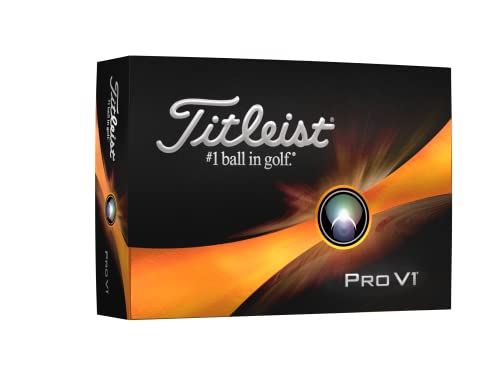
Titleist Pro V1x has garnered a reputation for being a standout choice; it’s a prime example of a multi-layer ball that balances feel with spin reduction. This might just be your go-to if you’re looking for pro-level performance. Despite its higher spin characteristics, its design can help skilled golfers like you manage flight path effectively with the right swing technique.
Perhaps you’d prefer the Callaway Chrome Soft, which is known for its SoftFast Core. This ball’s innovative core design is engineered to reduce spin and promote a straighter flight—ideal for mitigating a hook. Plus, you’ll enjoy exceptional feel on the greens.
For those of you who’d rather opt for a two-piece construction, the Srixon Q-Star could be your savior. It’s got a lower compression rate and is tailored for distance and reducing spin, making it a strong contender for your bag.
The Bridgestone e6 has a legacy of being designed specifically to combat hook and slice tendencies. Its Delta Dimple design helps to smooth out air resistance and keep the ball on a truer path, assisting you in achieving those long, straight drives that you crave.
Remember, folks, these are just a few options and the best way to know which golf ball works for you is to try them out. Fit your choice to your specific swing speed and style, and watch as that hook starts to straighten out, leaving your golf buddies in awe of your improved play.
Every golf ball mentioned here has its unique strengths, and it’s crucial to consider your personal preferences and skill set. Whether it’s the feel, the distance, or the perfect flight path you’re after, there’s a ball out there designed to reduce your hook and enhance your game. Keep those hooks in check and you’ll find yourself confidently striding down the fairway, ready for the next shot.
Benefits of Using the Best Golf Ball for Your Hook
When you’re on the quest to reduce your hook, using a golf ball specifically designed to combat this issue can significantly improve your game. Optimized ball flight is one of the first benefits you’ll notice. Balls created to reduce hooks typically have less spin, especially side spin, which means your shots will fly straighter and your mishits won’t be as severe.
Additionally, the right golf ball can enhance your overall feel during play. When you have a ball that responds predictably on each strike, you gain the confidence to make the necessary adjustments to your swing. This feedback loop between equipment and player is crucial for honing your skills on the course.
By choosing a golf ball built with a lower spin rate and materials aimed at stabilizing flight patterns, you also unlock the potential for greater distance. Reduced hooks often translate to longer drives because the ball doesn’t veer off course, which maximizes the yardage of your shots.
Beyond the technical aspects, there’s a psychological advantage too. Strolling up to your ball knowing that you’ve got technology on your side provides a mental edge. You’ll tee up with the assurance that your equipment isn’t working against you but rather aiding in your quest to lower those frustrating hooks.
Ultimately, investing in the right golf ball positions you for progress. You know better than anyone that consistency is key in golf, and encountering fewer hooks means more reliable play and a more enjoyable time out on the links. So while you’re fine-tuning your swing, let your choice in golf balls do some of the heavy lifting in straightening out those errant shots. Your scorecard will thank you for it.
Conclusion
Frequently Asked Questions
What unique feature does a golf ball designed to reduce hooks have?
These specialty golf balls are crafted to produce less spin, particularly side spin, which helps achieve straighter shots and minimizes the severity of mishits.
How does the reduced spin of these golf balls affect performance?
The reduced spin leads to stabler flight patterns, which not only helps in reducing hooks but can also contribute to greater distance on the course.
Do golf balls for reducing hooks enhance the feel and feedback during play?
Yes, these golf balls are designed to provide better feel and feedback, which aids players in making adjustments to their swing as they play.
Is there a psychological benefit to using a golf ball that reduces hooks?
Absolutely. There is a mental advantage to using equipment that you know is helping to improve your game, providing a boost in confidence and reducing anxiety over making errors.
Can using the correct type of golf ball improve overall play consistency?
Investing in the right golf ball, such as those designed to reduce hooks, can significantly aid in achieving more consistent and enjoyable golf play.