Ever wonder why some golf balls seem to soar further down the fairway than others? Well, it’s not just your swing that’s at play. The secret could very well be in the ball you’re teeing up.

Choosing the right golf ball is crucial for maximizing distance, and with so many options on the market, it can be a real challenge to pick the perfect one. But don’t worry, you’re about to discover the top contenders that promise to give your game the extra yards you’ve been aiming for.
So, whether you’re looking to outdrive your buddies or simply enjoy the satisfaction of watching your ball fly off into the horizon, stick around. We’re diving into the best golf balls for distance that’ll help you elevate your game.
Understanding the Factors Behind Distance
When you’re aiming to knock the socks off your golf buddies with your incredible drive, it’s crucial to understand what makes a golf ball go the distance. Sure, your swing is a big part of the equation, but golf ball construction plays a significant role too.
First off, consider the core of the ball. This is the engine of a golf ball, where the energy from your swing is transferred to the ball. Typically, balls designed for longer distances feature a large and resilient core that promotes faster ball speeds.
Then there’s the compression. If your swing speed is akin to that of the pros, a high-compression ball might be your ticket to extra yards. However, if you’re like most of us mere mortals, a low-compression ball can offer better performance as it deforms more at impact and snaps back with more energy.
Let’s not forget the dimples. These aren’t just for looks – they reduce air resistance and affect how the wind interacts with the ball in flight. Generally, a perfectly designed dimple pattern will stabilize the ball’s trajectory and allow it to cut through the air more efficiently.
- Consider these factors when choosing a golf ball for distance:
- Core: A larger, resilient core is key.
- Compression: Match the ball’s compression with your swing speed.
- Dimples: Look for a pattern that promotes a stable flight.
Golf ball cover material can also influence distance. Urethane covers are typically associated with increased spin and better control around the greens, whereas Surlyn covers may reduce spin off the driver, potentially leading to longer drives.
Choosing the right golf ball is a balance of these elements. Remember, it’s not just about picking the hardest ball or the one with the fanciest design. It’s about finding a ball that complements your unique swing and playing style to give you that satisfying boost in distance. Keep these insights in your golf bag, and you’ll be better equipped to select a ball that goes the extra mile—literally.


The Role of Compression in Maximizing Distance
« What Kind of Golf Ball Should I Use? Uncover Your Perfect Match on the Green
Best Golf Ball on a Budget: Maximize Your Game Without Breaking the Bank »
Have you ever wondered why some golf balls seem to soar further down the fairway than others? Compression is a key factor here. It’s the measure of the deflection a golf ball undergoes when it’s struck. For you as a golfer, especially if you’ve fine-tuned your swing, selecting a ball with the right compression can make all the difference.
Think of compression in terms of softness. A lower compression ball is softer, meaning it’ll compress more upon impact with the clubface. If your swing speed is on the moderate side, a lower compression can lead to greater distance as the ball will deform and then snap back, creating more kinetic energy. On the other hand, if you’re someone with a powerful swing, a higher compression ball is your alley. It won’t compress as much, which is better for high-speed impacts.
Here’s a quick look at typical compression ratings:
| Swing Speed | Compression Rating Suggestion |
|---|---|
| Under 85 mph | Low Compression (below 60) |
| 85 to 105 mph | Medium Compression (60-90) |
| Over 105 mph | High Compression (90 and above) |
Remember though, it’s not just about the number. The feel of the ball at impact is as accessible a measure as the technical specs. When you strike the ball, pay attention to how it feels – this sensory feedback could be your guide to choosing the right compression. Some of the best distance balls you want to keep an eye on are those that offer a balance between a soft feel and high-velocity performance.
When you’re out trying different balls, focus on how each compression affects your control and accuracy. While maximising distance is essential, don’t sacrifice the finer points of your game for a few extra yards.
Dimples Matter: Exploring the Importance of Aerodynamics
When you’re on the hunt for the best golf balls to give you that extra yardage, it’s crucial to consider a ball’s aerodynamic properties, and dimples are at the heart of this. While compression dictates the initial energy transfer, dimples are key in determining how the ball behaves in flight. They affect the air flow around the ball, reducing drag and enhancing lift, which can lead to greater distance.
The pattern and depth of the dimples can significantly impact the trajectory and stability of your shots. Manufacturers have invested heavily in researching the optimal dimple designs that help reduce wind resistance and allow the ball to cut through the air more efficiently. Here’s what you need to know:
- Shallow dimples tend to produce lower ball flight, which can be advantageous in windy conditions.
- Deeper dimples are generally associated with higher trajectories, ideal for getting more carry over hazards.
- Uniform dimple patterns ensure consistency in flight, whereas varied patterns can influence the ball’s stability.
By choosing a golf ball with the right dimple design for your game, you can capitalize on an aerodynamic edge that complements your swing speed and compression choice. Most high-performing distance balls blend dimple innovation with advanced core and cover technologies to maximize distance. Keep in mind that while dimples are critical, they work in concert with the ball’s other features to influence performance.
It’s wise to test out different golf balls in various conditions. A ball that’s perfect for your drives on a calm day might behave differently when you’re facing a stiff breeze. Observing how your shots perform with different dimple patterns under these circumstances can give you valuable insights. You’ll want to factor in the course conditions and typical weather you play in when selecting a dimple pattern to ensure you’re getting the most out of your golf ball every time you tee up.
Cover Material: Which One is Ideal for Distance?
As you delve deeper into the world of golf balls, you’ll find the cover material is not just about durability. It’s a key factor in achieving that extra yardage off the tee. Surlyn and urethane are the two predominant materials you’ll come across, each with its distinct advantages for distance seekers.


Surlyn covers, the industry standard for so many years, are known for their incredible resilience. You’ve probably noticed how they tend to last longer without scuffs and nicks, even after several rounds. But it’s their lower spin rate that really helps you harness more distance. Surlyn covers tend to produce straighter shots which is a boon when you’re looking to avoid those energy-sapping hooks and slices.
On the other hand, urethane covered golf balls are often associated with professional play due to their softer feel and higher spin, and while they might seem geared towards control, don’t discount them for distance. Advanced urethane covers can offer you lower spin off the driver, which translated into the language of distance, means longer carry and roll out on your drives. Plus, they provide that extra grip on greenside shots, a feature that’s handy when control is just as important as length.
It’s worth keeping in mind that golf ball technology is continuously evolving. Some brands have introduced a hybrid cover, aiming to combine the durability of Surlyn with the soft feel of urethane. While these may promise the best of both worlds, you’ll want to try them out yourself to see how they perform with your swing.
In this quest for the perfect blend of length and feel, considering your own swing speed is crucial. High swing speeds often pair well with the advanced properties of urethane, while moderate to low swing speeds can reap the full benefits of Surlyn’s low-spin characteristics.
Regardless of the choice, remember that your personal preference and comfort with the ball should guide your selection. And don’t forget to factor in elements like the course conditions and temperature, which can influence the ball’s behavior and ultimately, your driving distance.
Top Golf Balls for Maximum Distance
When you’re out on the course aiming to shave a few strokes off your game, the golf ball you pick plays a pivotal role. Especially when it’s all about gaining those extra yards, selecting the right ball can feel like a hidden superpower.
Let’s dive into a few top picks that stand out for their long-distance capabilities:
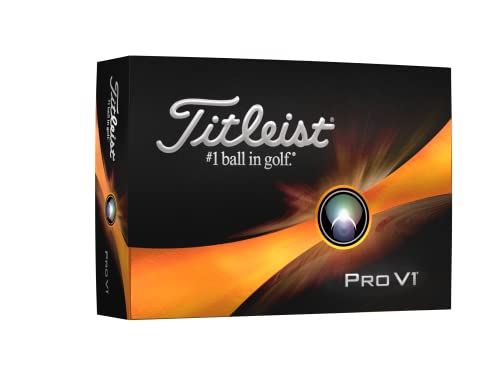
- Titleist Pro V1x: A classic favorite among low handicappers. With its high launch and low spin on full shots, it’s designed to enhance your distance.
- TaylorMade TP5/TP5x: Both models are exceptional, the TP5x being slightly firmer, resulting in higher ball flight and carry distance.
- Callaway Chrome Soft X: This ball is all about fast ball speeds. Its Dual SoftFast Core aids in achieving high launch and low spin off the tee.
- Bridgestone Tour B X: Engineered with a smart urethane cover that responds to your swing speed, it’s ideal for consistent aerial performance.
For you tech-savvy golfers, some of these balls use sophisticated features such as:
| Feature | Description | Benefits |
|---|---|---|
| Dual-Core | Two core layers | Optimized for speed & spin control |
| Aerodynamic Dimple Patterns | Varied shapes and sizes of dimples | Reduces drag for longer flights |
But remember, these balls aren’t just about raw power. They lend a delicate balance of control and feel around the greens. You’ll notice that finesse after the first swing.
While these premium balls do come at a higher cost, they could be the difference-makers in your game. It’s not merely about what suits the pros, but what fits your style of play. Shake off that doubt and try a sleeve of these distance-maximizing balls next time you hit the course. Perhaps your drive awaits its perfect companion.
Conclusion
Frequently Asked Questions
What are some top golf balls for long-distance?
The Titleist Pro V1x, TaylorMade TP5/TP5x, Callaway Chrome Soft X, and Bridgestone Tour B X are known for their exceptional long-distance capabilities.
What features do these golf balls have for long-distance?
These golf balls typically feature dual-core construction and aerodynamic dimple patterns, which help to optimize speed and spin control for longer distances.
Are premium golf balls worth the investment for distance?
Yes, premium golf balls like the ones mentioned often provide a balance of control and feel around the greens, which can be worth the higher cost if you’re looking to enhance your game.
How do these golf balls improve a player’s game?
These distance-maximizing golf balls can improve a player’s game by providing better control, optimized spin, and increased speed, leading to longer and more precise shots.
Is it important to try different golf balls to enhance my game?
Absolutely, experimenting with different golf balls, especially those designed for long-distance, will help you find the best match for your playing style and improve your overall game.