Ever wondered why your golf buddy’s ball seems to effortlessly glide down the fairway while yours takes an unexpected detour into the rough? It might not just be your swing—it could be the ball itself.

Golf balls aren’t just white dimpled spheres; they’re marvels of engineering designed to improve your game. Whether you’re a seasoned pro or a weekend warrior, understanding the different types of golf balls can make a huge difference in your performance.
In this article, we’ll dive into the nitty-gritty of golf ball construction, from the core to the cover, and explain how each type is suited to different playing styles. Get ready to find your perfect match and maybe shave a few strokes off your next round.
Types of Golf Balls
As you refine your game, you’ll find that the right golf ball can be as crucial as the perfect swing. Know that golf balls come in various types, each designed to meet specific needs.
Distance Balls are ideal if you’re aiming to add some extra yards to your drive. They’re generally harder, with a larger core, and are best for golfers with a high swing speed. With a distance ball, you can expect less spin, which may sacrifice some control but can lead to longer shots.
Spin Control Balls sit on the opposite end of the spectrum. If you struggle with hooks or slices, these balls are engineered to reduce side spin, helping you achieve straighter shots. For short game enthusiasts, these can offer a better grip on the greens, allowing for a more precision-based approach.
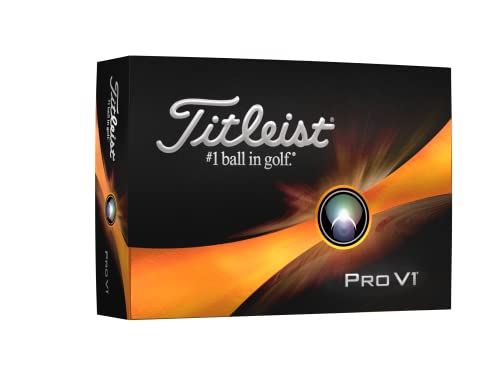
Then, there’s the Tour Level Balls. As a low handicapper, you’re likely familiar with these. They boast a multi-layered construction offering a balance between distance, spin, and control. The urethane cover provides a soft feel, perfect for finesse around the greens while still enabling strong tee shots.
For those of you with a slower swing speed, Low Compression Balls provide a solution. These balls compress more easily upon impact, resulting in greater distance even with a gentler swing. They are typically softer, offering better feel and control, especially for mid to high handicappers.
Consider also the various Custom Golf Balls designed to match not only your handicap but also your personal style of play. Whether that’s a ball optimized for cold weather play, or one that stands out with a unique color for better visibility, there’s something to benefit everyone.


« How Long Should a Golf Ball Last? Secrets to Maximize Your Ball’s Life
Best Golf Balls for Slow Swing Speed MyGolfSpy: Unveiled Winners »
Test out different types to see which complements your game the best. And remember, the ball you choose can play a major role in lowering your scores, so don’t overlook the importance of this small but mighty piece of equipment. Keep in mind the conditions you most often play in and how different golf balls react to those conditions. Pairing the right ball with your swing can be a game-changer, literally.
The Importance of Golf Ball Construction
When you’re out on the course, the design and construction of your golf ball are as crucial as the clubs you wield. Understanding the makeup of a golf ball can elevate your game far beyond what you might initially think possible.
To begin, let’s delve into the core. It’s the engine of the ball, if you will. The core affects compression, influencing how the ball reacts when struck. If you’ve got a faster swing, a high-compression ball might be your ally, allowing you to achieve those envy-inducing long distances. On the flip side, a low-compression ball compresses more easily, making it a go-to for players with slower swing speeds, helping to maximize distance despite less force.
The cover of the golf ball adds its own flavor to your game. Urethane covers are often found on tour-level balls and boast a softer feel and greater spin control, especially around the greens where it matters most. Surlyn covers, in contrast, are built for durability and are more cut-resistant, making them ideal if you’re playing a course with plenty of hazards that can chew up a softer ball.
But that’s not all, layers matter! The more layers your ball has, the more it’s geared towards advanced players who can exploit those extra nuances in performance. A two-piece ball is great for beginners, providing distance and durability without too much emphasis on spin. Move up to a multi-layered ball and you’re looking at a beast that offers more spin separation—meaning you could have low spin off the tee and high spin when you approach the green.
All these elements play a critical role, but remember, the perfect golf ball for you melds well with your individual swing and playing style. Whether it’s achieving maximum velocity off the tee or having the most control in your short game, choose a ball with construction elements that align with your needs on the course. Test different balls in various playing conditions and see which construction complements your skills and techniques; after all, the right golf ball is a key contributor in shaving off those extra strokes.
The Core: What’s Inside a Golf Ball
As you delve deeper into the world of golf, you’ll discover that the core of a golf ball is its beating heart. Picture the core as the engine that drives performance, dictating the ball’s feel and the distance it can travel. Modern golf ball cores typically consist of synthetic rubber compounds, but the actual materials and construction process remain closely guarded secrets of manufacturers, much like a chef’s signature recipe.
Understanding Compression
The core’s compression is like a golfer’s handshake – it tells you a lot. Compression measures the density of the core, and it influences how the ball reacts upon impact with your club. Balls with higher compression ratings (usually 90 and above) require a faster swing speed to compress and, therefore, achieve optimal performance. In contrast, low-compression balls, with ratings around 80 or lower, are more forgiving and suit players with slower swing speeds. This is where your swing speed doesn’t just influence your club choice – it dictates your ball choice too.
How the Core Influences Spin
Additionally, the core contributes significantly to the ball’s spin rate. A firmer core translates to less spin off the driver and is preferable for golfers who want to maximize distance and control. Conversely, a softer core tends to increase spin, especially around the green, providing that stop-and-drop action you love to see on your approach shots.
Layer It On
It’s not just about the core’s material and compression, though. With advancements in golf ball technology, multi-core balls have emerged, featuring additional layers called mantles that surround the core. Each layer is engineered to perform a specific function – some focus on increasing velocity, while others aid in controlling spin on short game shots. That’s why you’ll often see dual-core or even triple-core balls in the hands of players looking for a more sophisticated level of performance customization.


Your ideal golf ball rests on a nuanced understanding of how the core and its layers work together. Don’t underestimate the importance of the core – its influence on your game can be as decisive as your club selection on a par three with the wind against you.
Dimples: The Secret to Ball Flight
Ever wonder what makes your golf ball soar through the air with such precision? It’s all about the dimples. These tiny indents are critical to controlling ball flight and optimizing performance. When you strike the ball, the dimples work to reduce air resistance, allowing it to travel farther.
Dimple design is no simple matter. The pattern and depth can vary greatly, influencing how the ball reacts to different conditions. Manufacturers often experiment with dimple configurations to fine-tune the aerodynamics. It’s fascinating how these minute changes can impact your shot.
- Shallow dimples tend to produce more lift, perfect for getting the ball airborne quickly.
- Deep dimples can help with a more penetrating ball flight, something you might prefer on windy days.
The total number of dimples also plays a role. Most balls have between 300 and 500 dimples, but there’s no magic number. You’ll find golf balls with varying dimple counts all designed to achieve a specific trajectory and spin rate.
Imagine swinging and feeling the ball compress against your club. Now, here’s where dimples add another dimension—spin. Not only do they affect distance, but they also contribute to the spin of the ball. With the right dimple design, you’ll get a ball that not only travels far but also has enough spin to stop quickly on the greens. This is crucial, especially when you’re approaching a tight pin placement.
The next time you’re selecting a golf ball, take a closer look at those dimples. Think about your typical ball flight and how the dimple design might enhance or hinder your game. Every element of the golf ball offers an opportunity to refine your performance, and those little dimples could be what stands between you and shaving another stroke or two off your handicap.
Cover Materials and Their Impact on Performance
When you’re eyeing that perfect shot, the last thing you might think about is the cover of your golf ball. But, believe it or not, the material encasing that small power-packed core is pivotal to your game’s success. Golf ball covers come in two primary materials: Surlyn and urethane, each with distinct characteristics and advantages.
Surlyn, an ionomer resin created by DuPont, has been a popular cover choice since the 1960s. It’s tough as nails, making it resistant to cuts and scuffs from regular play. The durability of Surlyn translates to a longer lifespan for your golf balls, saving you money over time. Balls with Surlyn covers often boast lower spin rates off the tee, leading to straighter, more controlled shots that help keep you in the fairway.
On the flip side, urethane covers are the go-to for many tour professionals and low-handicappers like yourself. Although less durable than Surlyn, urethane covers are prized for their soft feel and high spin rates. If you’ve ever admired the way pros can make the ball dance back on the green, that’s urethane working its magic. Balls with urethane covers provide that extra bit of control and finesse around the greens, giving you the confidence to attack pins and stick those approach shots close.
But here’s where cover material gets even more interesting. Modern technology has given rise to hybrid covers that blend the advantages of Surlyn and urethane. These innovative covers aim to give you the best of both worlds—a durable ball with a softer feel and enhanced spin capabilities. As you assess which ball to play, ponder on your prioritized aspects of performance. Do you want unmatched durability and cost-efficiency, or are you ready to trade a few scuffs for remarkable control and a soft touch?
Remember, it’s not just about the cover itself, but how it interacts with the core and mantle layers beneath. The synergy between these elements defines your ball’s total performance. Keep in mind the multilayer dynamics previously discussed and take note of how these cover materials complement or contrast the underlying technology of your golf balls.
Choosing the Right Golf Ball for Your Game
When you’re strolling down the fairway, ready to make your next shot, the last thing you want to worry about is whether you’ve got the right golf ball in play. It’s not just about having a ball that looks good; it’s about finding one that matches your unique style and abilities.
Let’s break this down. If you’re a low handicapper with a swing speed that could give a cheetah a run for its money, you’ll likely benefit from a high-compression ball. Designed for performance, these balls translate your speed and power into incredible distance.
On the other hand, if finesse is more your style and you prefer to dazzle with precise shots around the greens, a low-compression ball with a softer urethane cover is your ally. This type offers better spin control, allowing you to execute shots with surgical precision.
Consider the conditions you typically play in as well. Is your home course often buffeted by gusts strong enough to make the trees dance? If so, a ball with a more penetrating flight might be just what you need to stay in command.
Here’s a pro tip: don’t shy away from experimenting. Sometimes the breakthrough in your game might come from a golf ball type you’ve never considered.
Your Golf Ball Checklist
Before you pick that next dozen, run through this quick checklist:
- Swing Speed: High for high-compression balls, lower for the opposite.
- Control Needs: More spin for green-side control, less spin for straighter drives.
- Regular Conditions: If it’s windy, look for balls designed to cut through the air.
- Feel Preference: Soft for touch and feel, firmer for feedback and distance.
Tracking your performance with different balls can be eye-opening. You’ll understand the subtle ways they affect your game, from tee shots that set the tone, to life-saving par putts. Remember, the perfect golf ball is out there, and it’s the one that works best with your swing, not just the one you’ve been playing out of habit. Keep your mind open to new possibilities – who knows, the switch might just lead you to your new personal best.
Conclusion
Choosing the right golf ball can seem daunting but armed with the knowledge of core composition, dimple design, and cover materials, you’re well on your way to enhancing your game. Remember, the best ball for you is one that complements your swing speed and playing style. Don’t shy away from trying out different types to see what suits you best. After all, the right golf ball can be the unsung hero of your golf game, giving you that extra edge to play with confidence and skill. So go ahead, take that knowledge to the course and watch your game improve one shot at a time.
Frequently Asked Questions
What impact does golf ball construction have on my game?
Golf ball construction is crucial as it influences compression, spin rate, and the aerodynamics of your ball. High-compression balls are better for those with fast swing speeds, while multi-core balls can help control spin and increase velocity.
How does the core of a golf ball affect its performance?
The core affects the compression and spin rate. A firmer core results in less spin off the driver, while a softer core can increase spin, which is beneficial around the greens.
What is the purpose of the dimples on a golf ball?
Dimples on a golf ball reduce air resistance, allowing it to travel farther, and they also enhance spin for better control on the greens. The design of dimples, including their pattern and depth, plays a significant role in ball flight optimization.
What is the difference between Surlyn and urethane covers?
Surlyn covers are known for their durability and providing lower spin rates, making them suitable for players looking for control and reduced spin off the tee. Urethane covers offer a softer feel and higher spin rates, which appeals to players seeking more control and responsiveness on approach shots and around the greens.
How should I choose the right golf ball for my game?
Selecting the right golf ball involves considering your swing speed, control needs, typical playing conditions, and personal feel preference. Test different types of balls to see which enhances your performance and suits your style of play.