If you’re a mid-handicapper, you know that choosing the right golf ball can be as crucial as selecting the perfect club. It’s the one piece of equipment you use on every shot, and it’s got to match your game to a tee. But with so many options on the market, how do you pick the one that’ll shave strokes off your scorecard?

You’re in luck because we’re about to dive into the world of golf balls tailored for players like you. We’ll explore what makes a ball ideal for mid-handicappers and spotlight some of the top contenders that could become your new secret weapon on the course. Get ready to hit the fairway with confidence and maybe, just maybe, with a few less bogeys in your future.
What is a mid handicapper?
As someone who’s passionate about golf—you know that your handicap is more than just a number. It’s a badge of your progress and a key metric that influences your equipment choices. A mid handicapper generally refers to golfers who typically shoot in the 80s and 90s on a standard par 72 course. Your handicap ranges from about 11 to 20, placing you comfortably in the middle of the pack.
While you dream of joining the low handicapper ranks, hitting from the mens’s tees or even the championship tees is part of your routine. Sure, you’ve had your fair share of days flirting with the 70s or even the dreaded triple-digit rounds on a bad day. But overall, you’re the player who’s honing your skills and seeking consistency on the course.
Understanding your handicap level is crucial when selecting golf equipment. Mid handicappers often face unique challenges on the course—balancing distance with control and battling the occasional slice or hook. Your game is defined by moments of brilliance interspersed with bouts of frustration. So, selecting the right golf ball becomes an advantage you can’t afford to ignore.
A golf ball apt for mid handicappers typically offers a blend of distance and feel. Durability and cost-effectiveness are also concerns, aren’t they? You’re not just out there chasing pars and birdies, you’re also keeping an eye on your wallet. The right ball can make a tangible difference in your play, potentially turning those near-misses into successful putts and those bogeys into pars.
Remember, while pros obsess over compressions and tour-level performance, your focus is on finding a ball that complements your evolving game. You’ve got the potential to lower your scores, and an optimally selected ball is another tool in your arsenal to make that happen. The journey to becoming a low handicapper starts with understanding your current strengths and limitations—and the equipment that best supports them.
Importance of choosing the right golf ball
As you delve deeper into the game, you’ll discover that each golf ball is designed with a different type of play in mind. For mid-handicappers, the choice isn’t just about preference; it’s about physics and finesse, about matching the ball to your unique swing dynamics. Sure, I see you there cranking drives off the tee but remember that sometimes it’s the soft up-and-down near the green that’ll shave strokes off your game.
Think about the golf ball as your trusty sidekick on the course. You need a ball that complements your skills while addressing your weaknesses. It’s like having the right partner in a dance duo, one that flows with your moves and doesn’t step on your toes. For mid-handicappers, this partnership can manifest in a few key features:


- Construction: Multi-layer balls offer a compromise between control and distance. Opt for a model that transitions smoothly from a forgiving core to a responsive outer layer.
- Compression: Lower compression can mean more forgiveness on mishits which is a godsend on those long par 5s.
- Spin: Controlling spin is key. A mid-spin ball serves well for the all-rounder game you’re developing.
« Easiest Way to Clean Golf Balls – Quick Tips for a Better Game
Best Golf Ball Retriever: Unveiling the Ultimate Water Hazard Solution »
And don’t forget about durability and cost-effectiveness. You’re playing often enough that investing in balls that last makes sense. Moreover, you don’t want to break the bank every time you lose a ball in the water hazard.
By understanding the technology behind golf balls, you get to influence the ball’s behavior to improve your performance. Experiment with different brands and models. Note how each ball responds to your driver, irons, and short game. After a few rounds, you’ll start to feel the difference, and your scorecard will reflect it too.
The journey to a lower handicap is exciting. With the right golf ball, you’re not just hitting shots; you’re crafting experiences on each hole. It’s one of the many wise choices you’ll make in the quest to refine your play.
Characteristics of a good golf ball for mid handicappers
As you delve deeper into golf’s intricacies, understanding the characteristics of a quality golf ball becomes paramount. For mid handicappers, certain features stand out as critical for enhancing play.
Construction is vital. Multilayer golf balls offer a winning blend of distance and spin control. The outer layers provide softness for feel and precision on greenside shots, while the core delivers the energy needed for long drives. Look for a three-piece ball or more to get this balance right.
Next, let’s talk compression. Mid handicappers typically strike a sweet spot with medium compression golf balls. These balls have enough give to maximize energy transfer for golfers with moderate swing speeds, promoting better distance without sacrificing control.
Spin is another component to zero in on. A mid-spin golf ball is generally what you should aim for—enough spin to maintain control around the greens, yet low enough to reduce the negative effects of slices or hooks off the tee.
Don’t forget durability. You want a ball that withstands the rigors of repeated play. Urethane covers tend to offer the best of both worlds: durability and a soft feel that aids in short game control.
Lastly, consider the ball’s visibility. High-visibility options can make tracking your shots easier, especially on overcast days or during twilight rounds.
When it comes down to it, here’s what you should look for in a golf ball as a mid handicapper:


- Multilayer construction for a blend of distance and control
- Medium compression to match moderate swing speeds
- Mid-level spin to strike a balance between control and forgiveness
- Durable cover that remains soft enough for short game nuance
- High-visibility colors for easier shot tracking
With these features in mind, you’re well on your way to selecting a ball that won’t just meet your needs but will elevate your game. Remember, the right golf ball functions as a crucial ally on your quest to become a low handicapper.
Top contenders for best golf ball for mid handicappers
As you delve into the specifics of the top golf balls tailored for mid handicappers, you’ll quickly notice some standout options. These contenders strike a remarkable balance—all designed to help you cross the threshold from mid to low handicapper.
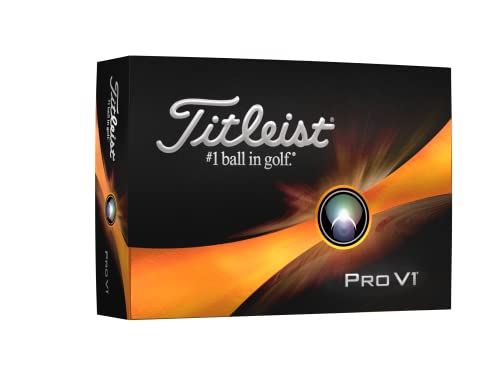
1. Titleist Pro V1: It’s no surprise that the Pro V1 makes the list. With its high-performance urethane elastomer cover system, it offers excellent spin control and consistent flight. It’s the go-to for players seeking a ball that balances short game control with long-distance.
- Construction: 3-Piece
- Compression: Mid
- Spin: Lower long game spin for distance
- Durability: High
2. Callaway Chrome Soft: This ball is designed with the Graphene-infused Dual SoftFast Core, which promotes high launch and low spin off the tee for impressive distances. Great for those looking to perfect their mid-range game.
- Construction: 4-Piece
- Compression: Soft
- Spin: Workable spin in short game
- Durability: Enhanced with new Graphene-infused cover
3. Bridgestone e12 Contact: Featuring the innovative Contact Force dimple design, this ball offers a significant edge by providing more contact with the clubface at impact. This results in straighter, longer shots and is a boon for consistency.
- Construction: 3-Piece
- Compression: Low
- Spin: Straight flight with reduced side spin
- Durability: Strong Surlyn cover
4. Srixon Z-Star: A favorite among mid handicappers for its Energetic Gradient Growth Core, which yields a softer feel without sacrificing distance. With the Spin Skin coating, it allows for greenside control often needed in challenging courses.
- Construction: 3-Piece
- Compression: Mid to High
- Spin: High greenside spin
- Durability: Durable urethane cover
As a mid handicapper, you should focus on a ball that complements your evolving game. Remember, attributes like compression rate and spin categories will play significant roles in your selection. Assess your playing style and frequent conditions—whether it be windy courses or fast greens—and match your choice accordingly. Keep testing until you find the one that feels just right as your progress on your journey to lower scores.
Final thoughts on finding the perfect golf ball
As you ponder the right choice for your game, remember that the golf ball is your constant companion on the course. It’s there on every tee box, fairway, bunker, and green. The quest for the perfect golf ball isn’t just about the specifications; it’s about how it feels off the clubface, how it flies through the air, and how it responds on the greens.
- Consider the feel you prefer during putting and short game.
- Think about your typical ball flight and what you’d like to improve.
- Reflect on the typical conditions you play in; soft balls work better in the wind while firmer balls can offer more control on calm days.
Testing is indispensable. There’s only so much you can learn from reviews and specs. Your game is unique, and until you see how a ball performs with your clubs, your swing, and your approach, you won’t truly know if it’s a match. It might take a few rounds to get a sense of a ball’s true character.
When you’re out there testing, pay attention to the spin and trajectory of each shot. Notice how the ball behaves around the greens — does it check up quickly, or does it tend to roll out? A good chip shot can save par, but the wrong ball for your style could turn that chip into a challenge.
Here’s a brief checklist to keep in mind during your trial runs:
- Distance off the tee
- Ball control and spin around the greens
- Feedback on putting
- Longevity and durability of the ball
- How well the ball performs under different weather conditions
Do not overlook the durability factor, as this affects not just the longevity of the ball but also the consistency of play over time. A ball that can withstand a battering and still maintain its form is not just a cost-effective option, but also a reliable partner for your play.
Conclusion
Frequently Asked Questions
What characteristics should good golf balls for mid-handicappers have?
Good golf balls for mid-handicappers should offer a balance between distance and control. They must provide a good feel, consistent ball flight, and perform well in various playing conditions. Durability is also a crucial characteristic to consider.
How do I choose the right golf ball for my game?
Choosing the right golf ball involves considering distance off the tee, ball control, and spin around the greens. You could also pay attention to the feedback on putting and how the ball performs under different weather conditions. It’s advisable to test different balls to see which suits your game best.
Why is it important to consider playing conditions when selecting a golf ball?
Different playing conditions, such as wind or wet greens, can drastically affect a golf ball’s performance. Selecting a golf ball that maintains a consistent flight and control in various conditions can help mid-handicappers play more consistently.
Can the right golf ball improve my putting?
Yes, the right golf ball can improve putting by providing better feedback and feel, which helps with judging distance and control on the greens. A ball with the appropriate softness and design can enhance your putting performance.
Is the durability of a golf ball important?
Durability is important because it ensures that the golf ball maintains its performance characteristics over time, providing consistent play and eliminating the need for frequent replacements which can also help with maintaining a consistent feel throughout a round or over multiple rounds.