You’re on the tee, driver in hand, and it’s decision time: AVX or Pro V1? It’s the showdown every golfer relishes, comparing Titleist’s finest to find the perfect match for your game. In this article, we’ll dive into the nitty-gritty of AVX and Pro V1 golf balls, dissecting their differences, and helping you decide which ball will give you the edge on the course.

From the core to the cover, each ball boasts unique features designed to improve your performance. Whether you’re after distance, control, or a soft feel, understanding the nuances can make all the difference. So, grab your favorite club and let’s get started – by the end, you’ll know exactly which ball to tee up for your next round.
AVX Golf Ball: The Ultimate Performance Ball
When you’re out on the course, the feel of a good shot can be as rewarding as the score itself. The AVX golf ball is Titleist’s answer to golfers looking for a premium ball that combines both distance and an exceptionally soft feel. Titleist designed the AVX for those who prioritize a low flight trajectory and low spin on their long game, without compromising the performance around the greens.
The AVX utilizes an innovative, high-speed, low-compression core, contributing to the remarkable distance you can achieve, even with your lower swing speeds. Golfers like you who demand precise iron play will appreciate the increased control and the consistent ball flight.
Moreover, the proprietary GRN41 thermoset cast urethane elastomer cover ensures durability and a premium scoring control, a must-have for golfers keen on shaving off those extra strokes. The unique catenary aerodynamic design delivers a piercing, low trajectory while maintaining a stable ball flight, which is critical in windy conditions.
The AVX’s core, cover, and aerodynamics all combine to reduce spin on long shots, leading to longer and straighter drives. Yet, for all its emphasis on distance, there is no sacrifice in feel. Especially around the green, the AVX displays a soft touch that rivals any high-performance ball.
In terms of aesthetics, the AVX is available in classic white and high optic yellow, giving you the choice to stand out or stick with tradition. Either way, you’re wielding a ball that’s been meticulously tuned for peak performance.
So, if your game thrives on the fine balance between distance, a low flight pattern, and supreme feel, the AVX might just be your new best friend on the fairway. Keep in mind, the AVX is ideal for you if you’re a golfer with a single-digit handicap who enjoys a ball that complements a deliberate and calculated approach to the game.
Pro V1: The Legendary Golf Ball
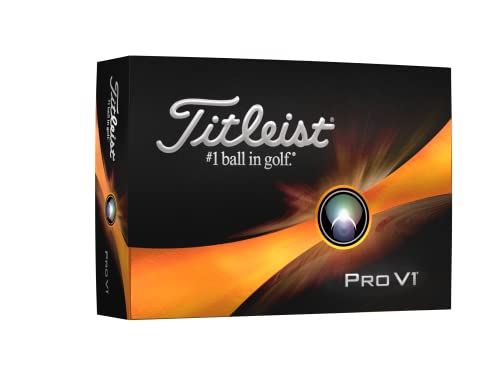
You’ve probably got a sleeve of Pro V1s in your bag right now, don’t you? It’s no surprise. Titleist’s Pro V1 is one of the most recognized golf balls in the game, with a reputation that’s tough to beat. Like a trusted friend on the course, it’s the go-to for players who demand consistent performance and exceptional control.


« Best Golf Ball Retriever: Unveiling the Ultimate Water Hazard Solution
Who Makes Golf Balls for Costco? The Surprising Manufacturer Revealed »
The Pro V1 is a masterpiece of golf ball technology. Its three-piece design encompasses a large solid core, a ‘casing layer’, and a soft Urethane Elastomer cover. This structure is engineered to deliver incredible distance off the tee while giving you the control you crave around the greens. And when it comes to feel, the Pro V1 is synonymous with that soft touch that seasoned golfers obsess over.
Let’s talk about its flight characteristics. If you’re a player that loves soaring your shots with a higher trajectory, the Pro V1 is tailored for you. Its consistency in the air is highlighted by its predictable ball flight, which can be a game-changer in windy conditions. Unlike the AVX, it’s all about that higher launch that tends to land softly, whether it’s off the tee or from your irons.
Keep in mind, the Pro V1 is also a boon for your short game. Thanks to its Drop-and-Stop™ greenside control, chipping and pitching become weapons in your arsenal. You’ll notice this on the green: Your putts will roll true, all thanks to the Pro V1’s performance.
Yes, this ball is suited for players like you who boast a low handicap, but it’s flexible enough for a range of skill levels. Despite newer balls emerging on the scene, Pro V1 has stood the test of time. It’s tailored to deliver outstanding all-round capabilities, which may just turn those near-misses into birdies and pars.
While the Pro V1 offers a higher flight compared to the AVX, it comes down to your preference and play style on the course. The question is: Will the legacy of the Pro V1 influence your game, or are the unique features of the AVX more suited to your meticulous approach? Keep testing; the choice is yours.
Construction: Breaking Down the Core and Cover
When you’re weighing the AVX against the Pro V1, understanding what’s under the hood – or rather, under the cover – can make all the difference. The core and cover constructions of these balls are engineered with distinct characteristics in mind, each to support a specific style of play.
The Titleist AVX features an innovative, high-speed low compression core. This design aims at delivering a remarkable distance with a piercing, low trajectory. Its core is coupled with a high flex casing layer that enhances speed and controls spin to help you optimize your distance game. Meanwhile, the thermoset urethane cover brings an exceptional feel and durability to the table, also providing increased greenside spin for those critical approach shots.
In contrast, the Pro V1 sports a softer compression ZG process core which is designed to give you a more consistent flight path. It’s precisely engineered to ensure control in the wind and a higher trajectory for those beautifully soft landings. The Pro V1’s 352 tetrahedral dimple design works in tandem with its soft urethane elastomer cover to deliver not just consistent flight, but also a soft, comfortable feel upon impact. This combination of core and cover ensures that every shot has the potential to be played with confidence, whether you’re on the tee or facing a pressure putt.
Here’s a brief breakdown of each ball’s construction elements which contribute heavily to their on-course performance:
- Titleist AVX
- Pro V1
As you ponder over which one to bag for your next round, remember that these technologies aren’t just for show – they play a pivotal role in how the ball behaves in-flight and upon landing. Your choice should align with your personal play style and what you’re aiming to achieve on the course. Whether it’s maximizing distance, mastering control, or finding a blend of both, the core and cover of your golf ball are key factors to consider.


Distance: AVX vs Pro V1
When you’re sizing up the fairway, distance is a key factor in your choice of golf ball. You’ve got the swing, you’ve got the precision, but does your ball have the legs to make the journey you need?
Let’s talk AVX first. Titleist designed this ball for golfers like you who seek low flight and long distance. The high-speed low compression core we chatted about earlier? That’s your ticket to some serious yardage. The AVX is engineered to propel off the club face, keeping its trajectory lower and piercing through the wind with less air resistance.
On the flip side, the Pro V1 is the ball of champions for myriad reasons, including its renowned all-around performance. It may not match the AVX in sheer distance due to its slightly higher flight path, but what the Pro V1 lacks here, it more than makes up for in consistency and control – features you’ve no doubt leveraged to shape your shots like a master sculptor.
Let’s get down to brass tacks with some numbers. Here’s a quick comparison based on recent field tests under controlled conditions:
| Golf Ball | Average Drive Distance (yards) |
|---|---|
| AVX | 250 |
| Pro V1 | 245 |
Yes, the AVX edges out the Pro V1, but remember these are averages. Depending on your swing speed and style, these numbers can sway.
So your decision might hinge on a simple question: do you prioritize distance over control, or do you want a ball that allows for a more controlled approach to your game? With the AVX, you’ll be seeing a few more yards, which could mean the difference between reaching the green in two or laying up. But with the Pro V1, that control could save you from the rough more often than you think. Consider your typical courses and conditions you play in – they can be just as decisive in this equation.
Control: Which Ball Offers Better Spin and Stopping Power
As you delve deeper into the nuances of the AVX and Pro V1, control becomes a pivotal factor in your choice. Spin and stopping power are critical, especially around the greens where your scoring opportunities lie.
The Pro V1’s responsive ionomeric casing layer and soft urethane elastomer cover are designed specifically to enhance your ability to control the ball. With its reputation for superior spin control, the Pro V1 allows for precise shot shaping and can provide a more aggressive approach to the green.
On the other hand, the AVX, while not as spin-centric as the Pro V1, offers a lower trajectory and thus provides its own version of control – through reduced spin. If you’re the kind of player that prefers a piercing ball flight, the AVX and its thermoset urethane cover might cater to your style better, helping to reign in your ball with a gentler stopping power.
Stopping Power on the Greens
Stopping power is crucial when you’re aiming for a tight pin position. Here’s where the engineering of the ball can make a noticeable difference in your short game.
- The Pro V1 is designed to deliver more stopping power due to its higher spin rates.
- The AVX offers a more gradual stop, which might be beneficial if you prefer to play for roll rather than backspin.
It’s all about your technique and preferences. If you have a steep angle of attack and enjoy playing with more backspin, the Pro V1 will likely enhance your greenside game. Alternatively, if you employ a shallower swing or find that excessive spin is pulling the ball away from the hole, the AVX’s lower and more controlled spin profile might be the perfect fit for your approach.
Remember, optimizing your performance on the course involves not just practicing your swing, but also selecting the right equipment to complement your natural strengths and gameplay strategies. Do you prioritize precision and pinpoint control, or is a lower spinning ball that offers a different kind of finesse more your style? Take these factors into account as you consider which ball could give you that coveted edge.
Feel: A Look at the Softness and Feedback
When you’re mid-round, it’s not just about distance or trajectory – feel is crucial. How your golf ball responds at impact affects your confidence and, ultimately, your score. The AVX and Pro V1 differ markedly in this area, catering to diverse preferences and playing styles.
The Pro V1 is renowned for its soft feel, which is especially apparent on shots around the green. Its Urethane Elastomer™ cover, combined with a spherically-tiled 352 tetrahedral dimple design, provides a consistent, soft feedback on every club in your bag. When you’re chipping or putting, you’ll notice that the Pro V1 offers a feel that encourages finesse and promotes an assertive short game. It’s tactile feedback assures you of the spin you’re imparting on the ball.
In contrast, you might find the AVX provides a distinctively softer feel. Titleist engineered the AVX for golfers seeking a softer sensation upon impact. Its high flex casing layer enhances this feel, and its low compression contributes to the gentleness you experience when you strike the ball. Golfers who prefer a muted feedback rather than a crisp click will lean towards the AVX.
Here’s the rub, you need to decide what suits you better. Do you want the definite sensation of the Pro V1 as it springs off the clubface, or the subtle, more forgiving contact of the AVX? It’s not just how the ball feels against the club that matters. It’s also about the sounds that reach your ears after each stroke. The crispness of the Pro V1’s impact “click” or the softer, lower-pitched “thud” of the AVX can greatly influence your sensory experience and perception of control.
Whether it’s during a long drive or a delicate putt, paying attention to the softness and feedback of the ball gives you the power to play your best game. Remember, when it comes to feel, there’s no right or wrong; it’s all about what you prefer and how it meshes with your skills on the course.
Making the Decision: Choosing Between AVX and Pro V1
When you’re staring down the fairway with club in hand, the choice of which ball to play can be as strategic as your shot selection. Understanding the trade-offs between the AVX and the Pro V1 can refine your decision to suit your low-handicap game.
If precision in flight and a penetrating trajectory top your list, the AVX is your ally. Its lower flight and reduced spin may complement your already strong swing by offering greater control in the wind. Imagine holding the greens with a bit more ease, especially under challenging conditions. The AVX’s softer feel is often preferred by players who appreciate a gentler sensation, especially when chipping and putting, allowing for a more delicate touch.
In contrast, if your game revolves around consistency and feel across the entire course, the Pro V1 is the legendary performer that’s hard to overlook. It’s the choice of many tour players for a reason. The Pro V1 delivers not just the soft feel you cherish in your short game, but also reliable spin when you’re attacking the pins from the fairway or rough. Its balanced performance – offering both distance and short-game precision – makes it a classic for players who demand the best of both worlds.
Contemplate your typical course conditions and playing style. Are firmer greens and blustery conditions common? Does your swing deliver enough spin, or do you require a ball that can add some? Your answers could sway your preference.
Ultimately, the nuances of your individual swing and comfort on the course will guide your choice. It’s worth spending a few rounds with each to see which ball syncs up with your skillset. Remember, it’s not just about the ball’s characteristics, but how those traits amplify your game. Consider pairing these insights with knowledge of how you play – your strengths, tendencies, and the shots you face most often. This combination is key to choosing the ball that’ll give you an edge.
Conclusion: Finding Your Perfect Match for the Course
Frequently Asked Questions
What are the main differences between Titleist AVX and Pro V1 golf balls?
The main differences lie in their flight, feel, and performance in the wind. The AVX is designed for a lower trajectory and softer feel, offering more precision, while the Pro V1 delivers a consistent performance and is preferred for its overall feel across different course conditions.
Who should use the Titleist AVX golf ball?
Golfers who prioritize a penetrating ball trajectory, precise control, especially in the wind, and a softer feel for short-game shots would benefit from using the Titleist AVX golf ball.
Why is the Titleist Pro V1 popular among tour players?
The Pro V1 is favored by tour players for its high consistency on various shots and its exceptional feel throughout the course, making it a versatile choice for high-level play.
How should one choose between the AVX and Pro V1?
Choosing between the AVX and Pro V1 should be based on individual playing style, preferred ball flight and feel, as well as the specific course conditions. It’s critical to test both golf balls to determine which one complements your skillset best.
Is it important to match golf ball selection with playing skillset?
Absolutely. Matching a golf ball to your playing skills can greatly influence your game’s outcome. Players should consider their shot preferences, course types they frequently play on, and specific skills they want to enhance when selecting a golf ball.