Looking to add some serious spin to your golf game? You’re in the right place! The right golf ball can make all the difference when you’re trying to control and refine your shots on the green.

What is spin in golf?
When you’re out on the course, refining your shots to perfection, spin plays a pivotal role. Imagine hitting that ideal shot, only to watch it either fall short or overshoot the green. That’s where understanding spin becomes crucial. Spin, the rotation of the golf ball as it moves through the air, is the secret sauce that helps control the ball’s flight and landing. Mastering spin helps dictate your ball’s stopping power and influence on the green. So, let’s dive into what makes spin so essential to your game.
There are two main types of spin: backspin and sidespin. Backspin is generated by the loft of the club and your strike, leading the ball to rotate backward as it travels through the air. Backspin is what makes the ball hover and gently settle upon landing, or even roll back towards you, which is crucial when you’re aiming for precision on the green. This kind of spin is your best friend when you need to stop the ball quickly on a fast green.
On the other hand, sidespin causes the ball to curve left or right, shaping your shot, whether it’s a draw or a fade. However, too much sidespin can lead to dreaded hooks or slices, which is why finding a golf ball that offers the right spin characteristics for your swing is key.
Manufacturers design golf balls with different layers and materials that influence their spin rates. Balls with a soft cover made of urethane, for example, tend to generate more spin compared to those with a surlyn cover which are more durable but offer less control. The core of the ball also affects spin; a firmer core usually translates to less spin and longer distance, whereas a softer core may improve control and spin around the greens.
Delving deeper into golf ball technology, you’ll find that balls designed for High Spin cater to those who want to maximize control with wedge shots and short irons, while Low Spin balls tend to favor distance and a straighter ball flight. Your swing speed and the club you’re using for the shot also greatly influence the spin. It’s a delicate balance, but once you find the golf ball that complements your play style, you’ll see significant improvements in how you control the ball and manage the course.
Importance of spin in golf shots
When you’re out on the course, your control over spin can quite literally make or break your game. Backspin is what gives your ball that stopping power on the greens, critical for approach shots. It’s what allows you to target tight pin locations and hold the green, even with long irons or hybrids. Increased backspin also translates to a higher ball flight, maximizing your chances of clearing hazards or obstacles.
Sidespin, on the other hand, is a bit more of a mixed bag. Depending on your skill level, it can either be an asset or a hindrance. If you’ve got a handle on it, you can shape shots to fit any fairway or approach: draws or fades on command. But if your control slips, you might find yourself battling hooks or slices, which can send your round into the rough, literally.
You’ve probably noticed that different balls react uniquely on the greens. That’s because golf balls are constructed with various layers and cover materials that influence spin rates. For instance, a four-piece ball with a urethane cover typically offers higher spin and softer feel, great for your short game touch. But if you battle with too much sidespin off the tee, a two-piece low-spin ball might help you find more fairways.


« Best Golf Ball for Amateur Players: Unlock Superior Control and Feel
What is the Best Golf Ball to Play? Unveil the Top Performers »
Here’s the kicker: it’s not just about the ball. Your swing speed, attack angle, and contact quality all influence spin. You might need to experiment with different models to find the perfect match for your game. Consider your most common challenges—are you looking for more precision on approach, or are you fighting a pesky slice? Your answer might steer you towards a particular ball design.
When it comes to wedges, remember that fresher grooves mean more spin. It could be worth checking the state of your wedges if you’re struggling to generate enough spin around the greens.
Ultimately, mastering spin is about understanding your own playing style and finding equipment that complements it. The right ball with the right amount of spin offers you a level of control and consistency that can elevate your game to the next level. Keep that in mind next time you’re shopping for golf balls or working on your swing mechanics.
Factors affecting spin on a golf ball
Throughout your journey to becoming a low handicapper, you’ve picked up on the nuanced factors that contribute to the spin you impart on a golf ball. It’s not just about the quality of the ball; there are several critical elements at play here.
Golf Ball Construction
The design of a golf ball is sophisticated, combining various materials that influence spin rates. Two-layer balls, typically designed for distance, offer less spin, making them a go-to for those powerful drives down the fairway. Conversely, multi-layer balls with a urethane cover provide the high spin you need for precise iron shots and short game finesse. The core and mantle, if constructed with advanced technology, can promote a more controlled spin on both full swings and delicate pitches.
Club Selection and Condition
Your choice of club plays a pivotal role in how much spin you’ll generate:
- Wedges with fresh grooves have the grip necessary to carve the ball and impart maximum spin.
- Irons designed with spin in mind can also help you add that check on the green.
It’s crucial to regularly check your clubs for wear and tear. Worn grooves or a slick clubface can massively decrease your ability to control spin.
Swing Mechanics
Spin is not just about what you hit, but how you hit it. Your:
- Swing speed
- Attack angle
- Path
- Contact quality
can all tweak the spin rate. Higher swing speeds often generate more spin, while a steeper attack angle can increase backspin on impact. Consistent, clean contact is necessary to utilize the full spinning potential of your golf ball.
Environmental Conditions
Lastly, conditions on the course can’t be ignored. Even the best-laid shots can be swayed by:


- Wind direction and speed
- Moisture
- Temperature
which all affect how a golf ball behaves in the air. It’s always smart to adjust your expectations and technique to match the day’s playing conditions.
Top golf balls for spin control
As an avid golfer with a low handicap, you understand the nuances of the game and the importance of equipment that supports your finesse, especially when it comes to spin control. You’re always on the lookout for golf balls that’ll complement your skilled play.
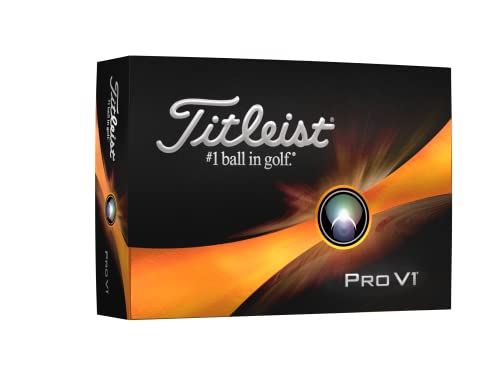
Titleist Pro V1 is a no-brainer when it comes to exceptional spin control. Its consistent flight and soft feel on the greens cater perfectly to players who demand precision with every shot. The Pro V1’s multi-layer construction with a urethane elastomer cover not only enhances spin but also provides durability.
Another excellent choice is the Bridgestone Tour B X. Designed specifically for low handicap golfers, this ball is engineered to help you gain control while maintaining distance. With Bridgestone’s proprietary Seamless Cover Technology and a dual dimple design, the Tour B X optimizes aerodynamics for maintaining high spin rates even when facing headwinds and tough conditions.
If you’re looking for a ball with a tour-proven performance that’s slightly easier on the wallet, delve into the world of the Srixon Z-Star XV. This ball boasts a FastLayer Core that progresses from a soft inner core to a harder outer edge, offering the feel you love and the spin rates you need for greenside control.
Opt for the Callaway Chrome Soft X if you fancy combining spin with forgiveness. The Graphene-infused Dual SoftFast Core provides higher launch and low spin on long shots, while its thin ultra-soft urethane cover gives you the control you need on shorter shots.
Here’s a simple breakdown of some of the best golf balls for spin control targeting your expert level:
| Golf Ball | Core Construction | Cover Material |
|---|---|---|
| Titleist Pro V1 | Multi-layer | Urethane |
| Bridgestone Tour B X | Gradational Compression Core | Urethane |
| Srixon Z-Star XV | FastLayer Core | Urethane |
| Callaway Chrome Soft X | Dual SoftFast Core | Urethane |
How to choose the best golf ball for spin
When you’re out to maximize your spin control on the course, the choice of ball is as critical as your swing. As a low handicapper, you want a ball that responds to your skilled gameplay, providing that extra edge by landing exactly where you need it. But with numerous options, how do you choose the best golf ball for spin to match your style of play?
Firstly, consider the construction of the golf ball. Typically, multilayer balls with urethane covers are your go-to. Urethane has a softer feel and provides more grip on the clubface upon impact, leading to more backspin. Look for balls with a high number of mantle layers, as they tend to offer better spin separation – allowing for a soft touch around the greens and reduced spin off the tee.
Secondly, compression plays a role in spinning the ball. You might want to experiment with low to mid-compression balls that complement your swing speed. A lower compression ball will often help generate more spin with shorter irons and wedges but don’t forget to match it with your swing speed to avoid losing distance in pursuit of control.
Dimple pattern and design also affect the ball’s aerodynamics and its ability to grip the air, influencing spin rates. While this might be a subtler aspect compared to the ball’s core or cover, it is worth checking the manufacturer’s technology and the design specifics tied to spin performance.
Lastly, remember that the best ball for one golfer might not be the best for you. Your feel at impact, your playing strategy, and even your preference for ball flight all play a part. It’s smart to trial several kinds and see how they perform with your wedges and short irons. After all, the key is finding a ball that feels like a natural extension of your game on the golf course.
Conclusion
Frequently Asked Questions
What factors should be considered when choosing a golf ball for spin control?
When selecting a golf ball for better spin control, consider the ball’s construction (layers), compression rating, dimple pattern, and personal preference in feel and performance. These factors influence a ball’s aerodynamics and spin rate.
How does the construction of a golf ball affect spin control?
The construction of a golf ball, particularly the number of layers, affects how the ball reacts upon impact. Multi-layer balls with a soft cover typically enhance spin control, especially around the greens.
What is the importance of golf ball compression for spin control?
Golf ball compression affects the feel and energy transfer from club to ball. Lower compression balls tend to deform more on impact, resulting in higher spin rates, which can help with control on the greens.
How does dimple pattern influence the spin of a golf ball?
The dimple pattern on a golf ball affects its aerodynamics during flight. Patterns that promote a stable flight path can help maintain spin rates, allowing for better control of the ball’s landing and roll.
Is personal preference important when choosing a golf ball for spin control?
Yes, personal preference plays a significant role. It’s essential to choose a ball that not only has the technical specifications for spin control but also feels good in play. Trying different golf balls can help you find the one that matches your game.