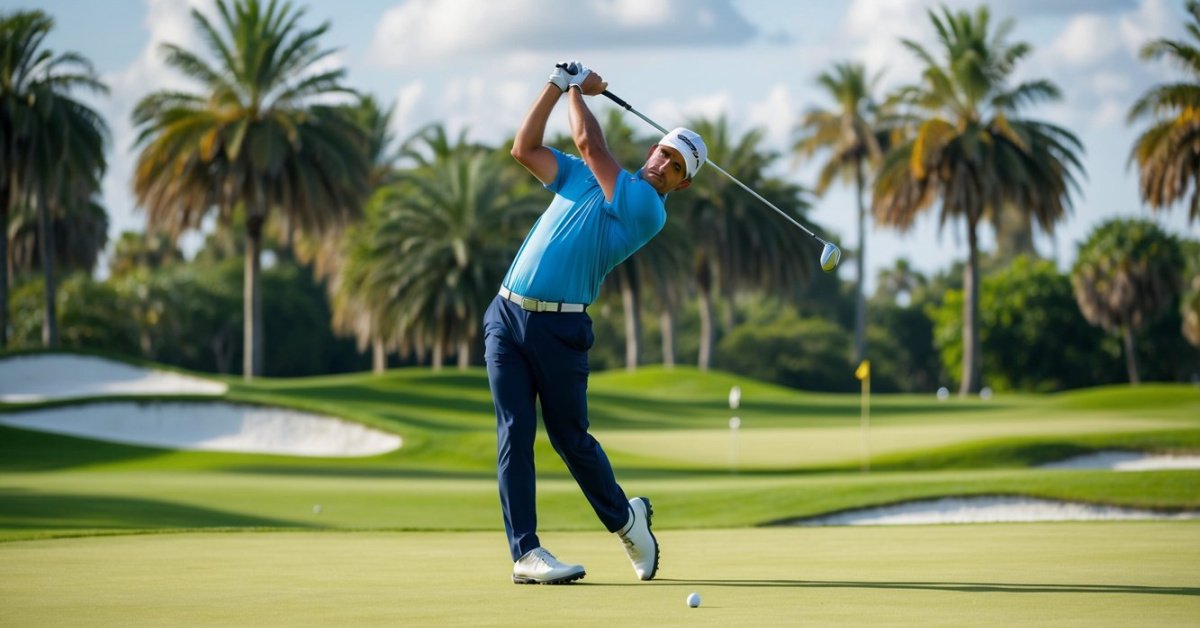
Starting your golf journey can be as exciting as it is daunting. You’re probably wondering how to get that satisfying long drive down the fairway. Well, the secret isn’t just in the swing—it’s also in the ball.

Choosing the right golf ball can make all the difference, especially when you’re a beginner. In this article, we’ll dive into the world of golf balls designed for distance to help you find the longest golf ball that suits your beginner’s game.
What to Consider When Choosing a Golf Ball?
When you’re wading through the sea of golf ball options, it’s crucial to focus on several key factors that affect how the ball performs. The right choice can give your game a noticeable edge, while the wrong one might hold you back.
Compression is a term you’ll hear often. It refers to how much the ball deforms at impact. As a beginner, lower compression golf balls will be your friend. They’re easier to hit and can help you achieve greater distance, especially if your swing speed isn’t quite up there with the pros yet. Typically, a compression rating of 80 to 90 is ideal for novice players.
Next up is the construction of the ball. Two-piece golf balls are designed with distance in mind, thanks to a large, solid core and a durable cover. They tend to produce less spin, which can help keep your shots straighter—a valuable benefit when you’re just starting out.
Spin should not be overlooked either. Low spin golf balls minimize air resistance, which can often result in longer drives. However, you’ll want a ball that offers enough backspin to help with control around the greens. Finding that balance is key.
You should also consider the feel of the golf ball. Some prefer a softer feel, which is typically associated with better control, while others might opt for a firmer feel that can sometimes provide additional distance. Experiment with different balls during your practice sessions to find what feels best for your play style.
While diving into the specifics of golf balls, here are a few points you might want to keep a note of:
- Beginners generally benefit from low-compression, two-piece construction golf balls.
- The right balance between low spin for distance and enough backspin for control is essential.
- The feel of the golf ball should match your personal preference for a more enjoyable playing experience.
Remember, the longest golf ball for a beginner isn’t just about the specs—it’s about how those specs synergize with your unique swing. It might take a bit of trial and error, but honing in on the right golf ball will pay dividends on the course.


Understanding the Construction of Golf Balls
« Ways to Hit Golf Ball: Unlock Precision Like a Pro!
Who Is AVX Golf Ball For? Unlock Your Best Game on the Greens »
When you’re on the quest for the longest golf ball that suits beginners, it’s key to delve into the construction of the balls themselves. Essentially, golf balls come in a variety of designs, each tailored to enhance specific aspects of play.
Two-piece golf balls are typically the go-to for beginners. They consist of a solid rubber core and a durable outer cover. The simplistic design lends itself to greater distances, primarily because the large core acts like a spring, propelling the ball forward upon impact.
On the other hand, multi-layer golf balls, which can range from three to five layers, offer nuanced performance benefits. These include a softer feel and increased spin control, often preferred by more skilled players who have honed their swing speed and control. However, beginners might find the additional layers counterproductive to achieving maximum distance.
Here is a quick breakdown of how golf ball construction can affect your game:
| Features | Two-Piece Balls | Multi-Layer Balls |
|---|---|---|
| Core Size | Large | Smaller |
| Number of Layers | Fewer | Multiple |
| Spin | Lower | Higher |
| Feel | Harder | Softer |
| Distance Capability | Generally Longer | Varies with Skill |
The cover of the golf ball also plays a significant role. Surlyn®, a hard resin, is often used in two-piece balls, which contributes to durability and reduced spin. Urethane covers, found in many multi-layer balls, provide a softer feel and greater spin for more precision around the greens.
Dimple pattern and coverage should not be overlooked, as they affect aerodynamics. More dimples typically equate to a stable flight, but their size and shape can also impact air resistance and lift. Manufacturers constantly tweak these variables, seeking the optimal balance for distance and control.
Matching your swing speed to the golf ball’s characteristics is crucial. Beginners with slower swing speeds should look for lower compression golf balls which can compress easier upon impact — resulting in more distance.
Remember, each component of the golf ball’s design can influence how it reacts to your swing, the club, and the conditions on the course. Playing with different types of golf balls can provide insight into which construction suits your beginner game best and sets you up for those enviable long drives.
The Benefits of Using a Long-Distance Golf Ball
When you’re first starting out in the world of golf, distance might be one of your main concerns. Long-distance golf balls are specifically designed to fly farther than your average ball, and as a beginner, using them can offer numerous advantages.
Longer Drives are probably the most enticing benefit. These balls have a lower spin rate off the tee, which helps to minimize the sidespin that typically leads to slices or hooks. The result? Your shots are likely to be straighter and span a greater distance, giving you a better chance of reaching the green in fewer strokes.


Another advantage is confidence building. There’s something inherently rewarding about seeing the ball soar through the air, covering impressive lengths. This visual feedback can be a real confidence booster, encouraging you to keep practicing and improving your swing.
With longer balls, there’s often a reduction in the need for club force. You don’t have to swing as hard to achieve the desired distance, which allows for a more relaxed and controlled swing. By easing off the intensity, you’re less prone to common beginner mistakes that come with overexertion, like poor timing and loss of balance.
Here’s what long-distance golf balls can mean for your game:
- Better game enjoyment: As the ball travels farther, you’ll likely find the game more enjoyable.
- Improved learning curve: With the confidence from seeing your performance increase, you’ll be more eager to learn and play.
- Enhanced performance: As you start to get more comfortable with your swing and see the results, your overall performance is set to improve.
Remember, while long-distance golf balls might give your game an initial boost, they’re just one piece of the puzzle. Proper technique and consistent practice are paramount to enhancing your skills. As you gain experience, you’ll naturally find that your choice in golf balls evolves, but in the meantime, enjoy the benefits that come with a long-distance option.
Top Longest Golf Ball Options for Beginners
As you venture into the world of golf, selecting the right equipment becomes a key part of your journey. With the focus on getting those extra yards off the tee, let’s dive into some of the top longest golf ball options tailored for beginners.
Titleist Velocity is built for speed. Its LSX core is designed to produce high initial ball speed, translating into impressive distances even with slower swing speeds. Plus, its spherically-tiled 328 tetrahedral dimple design helps with a more consistent flight.
Moving on, consider the Callaway Supersoft balls. They are known for their incredibly soft feel, but don’t be fooled by their softness – they boast low compression, ensuring beginners can get extra distance without perfect swing mechanics.
TaylorMade Distance+ golf balls are, as the name implies, made for distance. These two-piece balls have a React Speed Core and an aerodynamic dimple pattern that reduce drag and optimize lift for longer carries.
Here’s a quick glance at the core attributes of these beginner-friendly long-distance balls:
| Golf Ball | Core Type | Dimple Design | Compression |
|---|---|---|---|
| Titleist Velocity | LSX Core | Spherically-Tiled 328 Tetrahedral | Low |
| Callaway Supersoft | Ultra-Low Compression Core | Hexagonal Dimple Pattern | Ultra-Low |
| TaylorMade Distance+ | React Speed Core | Aero Dimple Pattern | Mid |
Next up, the Pinnacle Soft balls are engineered with low compression and a high-energy core that results in soft feel and low spin for long distances. Their dimple design enhances flight stability which is crucial for beginner-level players.
Each one of these golf ball options brings something unique to your game. Whether it’s the soft feel, low spin, or aerodynamic designs, they’re all engineered to enhance distance for players at the beginner level. What remains is for you to get out on the course, test them out, and see which one complements your burgeoning skill set the best. Remember, it’s not just about the technology packed in these little spheres; it’s also how you use them to your advantage that counts.
Important Features to Look for in a Beginner Golf Ball
When you’re starting out in the vast world of golf, it’s crucial not to overlook the importance of choosing the right golf ball. The right selection can significantly affect your play. As you stand ready to tee up, there a few key characteristics you’ll want to watch for in a beginner golf ball.
Firstly, compression matters. Lower compression golf balls are more forgiving and can provide better performance for those who have a slower swing speed, which is typical for beginners. A low-compression ball will compress more at impact, leading to less spin and increased distance. For starters, look for golf balls with a compression rating from 50 to 70.
Secondly, the construction of the ball is paramount. A two-piece construction is generally best for beginners. This type of golf ball has a large core and a durable cover which is a great recipe for hitting it farther down the fairway. These balls convert more of your swing energy into distance, making them a smart choice when you’re building your game.
And don’t forget about the cover material. Balls with a Surlyn cover are typically more affordable, durable, and offer reduced spin. This might mean less control around the greens, but as a beginner, your prime focus should be on improving your long game first.
Lastly, let’s talk about dimples. The pattern and shape of the dimples on a golf ball affect its flight characteristics. As a beginner, you’ll want a ball that promises a stable and penetrating ball flight. Look for standard dimple patterns that promote a straighter shot – this could help keep your drives on the fairway and reduce the frequency of having to play from the rough.
Remember, you’re looking for a ball that’ll reward your growing skills with every swing. With the features highlighted above, you’re on your way to finding a golf ball that’ll serve you well as you start this rewarding endeavor. Keep these tips in mind and you’ll likely see an immediate improvement in your game.
Conclusion
Frequently Asked Questions
What factors should beginners consider when choosing a golf ball?
Beginners should consider the golf ball’s compression, construction, cover material, and dimple pattern. Lower compression is better for slower swing speeds, two-piece construction aids in distance, Surlyn covers offer durability and affordability, and an efficient dimple pattern ensures stable flight.
Why is lower compression recommended for beginner golfers?
Lower compression golf balls are easier to compress on impact, especially for players with slower swing speeds. This characteristic can help beginners achieve better distance and overall performance with their shots.
What are the benefits of a two-piece construction golf ball for beginners?
Two-piece construction golf balls generally provide greater distance and are more forgiving on miss-hits, which makes them ideal for beginners who are working on their consistency and looking to improve their range.
How does the dimple pattern affect a golf ball’s performance?
The dimple pattern on a golf ball affects the aerodynamics, contributing to a stable and penetrating ball flight. Ensuring that a golf ball has an efficient dimple pattern can help beginners hit shots with more consistent flight characteristics.
Why should beginners choose a golf ball with a Surlyn cover?
A Surlyn cover on a golf ball provides a good mix of affordability and durability, which is beneficial for beginners who may lose balls frequently and need a cost-effective, long-lasting option.
Should beginners invest in golf balls that match their growing skills?
Yes, beginners should look for golf balls that not only offer immediate improvements in their game but also reward their growing skills. As a beginner develops their swing, having the right golf ball can make a significant difference in their overall performance.