Golf is all about finding the perfect balance—between power and precision, control and distance. As an intermediate player, you’re probably past the beginner stage but not quite ready for the advanced gear. That’s where the right golf ball can make all the difference in elevating your game.

Choosing the right golf ball isn’t just about picking something off the shelf. It’s about understanding what suits your swing and helps you improve your performance on the course. With so many options out there, finding that sweet spot might feel overwhelming, but it doesn’t have to be.
Whether you’re looking for more spin, better control, or extra distance, the right ball can give you the edge you need. Let’s explore how to find the perfect balance and take your game to the next level.
What Are Intermediate Golf Balls?
Intermediate golf balls are designed for players transitioning from beginner-level equipment to higher-performance gear. They cater to golfers who want a balance between forgiveness and advanced features like spin and feel. These balls often combine a durable cover with a multi-layer construction to help you achieve more control and better distance without sacrificing consistency.
You’ll notice that intermediate balls typically focus on a mid-compression level, usually between 70 and 90. This allows for improved energy transfer during your swings, especially if your swing speed ranges from 85 to 100 mph. For example, options like the Callaway Supersoft or Titleist Tour Speed provide excellent performance for swing speeds in that range.
Spin control is a key advantage in intermediate balls. They reduce side spin on drives while allowing just enough greenside spin for effective stopping power. The Srixon Q-Star Tour and Bridgestone e6 are great examples, offering a balance of reduced driver spin with enhanced short-game workability.
Intermediate golf balls also come with urethane or ionomer covers. Urethane covers deliver better feel and spin around the greens, while ionomer covers offer more durability and distance for slower swing speeds. Choosing between these materials depends on how much spin control or durability you prioritize.
If you’re gaining distance and improving your short game, intermediate balls bridge the gap, helping elevate your performance without requiring tour-level precision.
Key Features To Consider
As an intermediate golfer, focusing on specific features in golf balls can help refine your performance. Each aspect of a ball’s design impacts how it responds to your swing and interacts with the course.


Compression Levels
« Master the Art of Spin Control: Advanced Techniques for Precision and Strategy Success
How Manufacturers Decide on the Number of Layers: Secrets Behind Design and Performance »
Compression affects energy transfer and distance. Intermediate balls typically have mid-compression ratings between 70 and 90 to suit swing speeds from 85 to 100 mph. If your swing speed is closer to 85 mph, a lower compression ball like the Callaway Supersoft can optimize energy transfer. Swinging at higher speeds closer to 100 mph, consider a ball like the Titleist Tour Speed for better stability and responsiveness.
Cover Material
Cover material dictates feel, spin, and durability. Urethane covers deliver softer feel and greenside spin, perfect for control around the green. Examples include the Srixon Q-Star Tour, known for blending premium spin with moderate compression. For longer lifespan and added distance, ionomer-covered balls like the Bridgestone e6 cater to players with slower swing speeds or those seeking consistency.
Spin And Control
Control comes from spin performance. Intermediate golf balls aim to limit side spin off the tee, keeping drives straighter while enhancing backspin for approach shots and short game. Models like the TaylorMade TP5x provide balanced spin control, offering precision for fades or draws and excellent stopping power on the green.
Distance Performance
Distance is determined by core construction and dimples. Two-piece balls with firmer cores, like the Bridgestone e6, maximize distance for moderate swing speeds. For players needing versatility, three-piece balls like the Titleist Tour Speed combine distance with short-game precision, providing a well-rounded experience across the course.
Top Intermediate Golf Balls Of The Year
Finding the perfect intermediate golf ball can significantly impact your game. Here are three standout options that balance performance, control, and distance.
Product A Review
Callaway Supersoft
This two-piece ball delivers exceptional distance and forgiveness, making it ideal if you’re prioritizing straight flight and easier control. With a low compression rating of 38, it caters to moderate swing speeds, ensuring enhanced energy transfer for more consistent shots. Its soft Trionomer cover improves greenside feel and spin, giving better control on approach shots without sacrificing durability.
Product B Review
Titleist Tour Speed
The Titleist Tour Speed offers a balanced profile of distance and precision. With its three-piece construction and mid-compression core, this ball is perfect for swing speeds between 85 and 100 mph. Its proprietary TPU cover ensures a soft but responsive feel, while the 346 Quadrilateral Dipyramid dimple design maximizes aerodynamic efficiency. You’ll appreciate its long carry distances on drives paired with excellent stopping power on the greens.
Product C Review
Srixon Q-Star Tour
The Srixon Q-Star Tour combines a soft urethane cover with a low-compression (72) Energetic Gradient Growth core for optimized spin control and distance. It minimizes side spin off the tee, helping you hit straighter shots, while the Spin Skin coating enhances short game performance. The 338 Speed Dimple Pattern ensures stability in windy conditions, making it a reliable choice whether you’re focusing on precision or distance.
How To Choose The Right Ball For Your Game
Finding the right golf ball for your game depends on understanding your strengths, weaknesses, and on-course objectives. By evaluating your own playstyle and testing different options, you can find a ball that feels right and performs well.
Assessing Your Skill Level
Assess your current game honestly to determine which golf ball suits your skills. If you’re an intermediate golfer, you likely have a decent shot shape and control but still battle occasional inconsistencies. A ball with mid-compression, like the Titleist Tour Speed, maximizes energy transfer for moderate swing speeds. If you need more control near the greens, look for models with urethane covers, like the Srixon Q-Star Tour, to enhance spin and feel.


Testing Different Models
Test multiple golf balls to see how they complement your style. Start with models that match your swing speed and performance needs. Hit drives, mid-irons, and wedges with each ball, paying attention to distance, flight, and greenside behavior. For instance, you might find the Bridgestone e6 excellent off the tee but prefer the TaylorMade TP5 for its spin control around the green. This process helps you determine what works best for both long-game and short-game improvements.
Balancing Cost And Performance
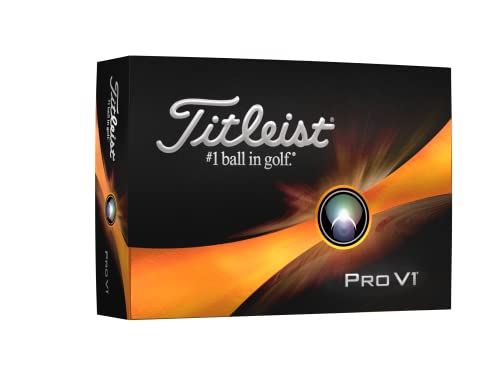
Evaluate how much you’re willing to invest in your golf balls without sacrificing performance. Premium balls like the Titleist Pro V1 deliver unmatched control and feel but come at a higher price. On the other hand, mid-tier options like the Callaway Supersoft provide outstanding distance and forgiveness, making them a budget-friendly choice for those refining their game. Prioritize balls that offer a good mix of features fitting your skill level and preferred playstyle.
Tips For Maximizing Performance With Intermediate Golf Balls
- Match Ball Characteristics To Your Swing Speed
Use balls with compression rates matching your swing speed for improved energy transfer. If your swing speed is between 85 and 95 mph, a mid-compression ball like the Srixon Q-Star Tour offers the right balance. Faster swings closer to 100 mph benefit from higher compression options, such as the Titleist Tour Speed.
- Prioritize Spin Control Around The Greens
Leverage urethane-covered balls, like the Callaway Supersoft, for smoother feel and spin control in your short game. Focus on using these for approach shots and chips to hold greens effectively, especially if you rely on precision to lower scores.
- Utilize Dimple Patterns for Better Flight Stability
Choose golf balls with advanced dimple designs to minimize drag and optimize aerodynamics. For instance, the Bridgestone e6 features a dimple structure that aids in achieving straighter ball flight, which is valuable on windy days or off-center hits.
- Experiment With Equipment To Refine Performance
Test various brands and models to understand how they affect your game. Practice driving with mid-compression balls for straighter shots and putting with softer covers for a more controlled roll.
- Maximize Distance Without Sacrificing Control
Opt for two-piece balls, like the Titleist Velocity, for added distance off the tee. At the same time, ensure they’re not sacrificing greenside control, testing spin levels to maintain versatility around the course.
- Play In Diverse Conditions For Feedback
Rotate your intermediate golf balls under varying course conditions. Use low-compression models on colder days for better responsiveness and higher-compression balls when tackling faster fairways or firm greens.
Conclusion
Finding the right intermediate golf ball can make a noticeable difference in your game. By understanding your swing speed, performance goals, and preferred feel, you’ll be better equipped to choose a ball that complements your style. Whether you prioritize distance, spin control, or a balanced performance, there’s a ball out there designed to help you elevate your skills.
Take the time to experiment with different models and pay attention to how each one performs in various aspects of your game. With the right ball in your bag, you’ll not only enjoy more consistency but also gain the confidence to tackle new challenges on the course.