Playing golf on a windy day can be both thrilling and challenging. The gusts can throw off your shots, making it harder to stay on target. But did you know the type of golf ball you use can make all the difference? Choosing the right ball can help you cut through the wind and maintain control over your game.

When the wind picks up, you need a ball designed for stability and low spin to minimize the effects of those unpredictable gusts. Whether you’re a seasoned pro or just starting out, understanding which balls perform best in windy conditions can elevate your performance and keep frustration at bay.
Understanding Penetration In Wind
Penetration in wind refers to a golf ball’s ability to maintain a stable, forward trajectory despite strong gusts. Balls with higher wind penetration cut through the air more efficiently, reducing the chances of being knocked off course. This is achieved through a combination of aerodynamic design, lower spin rates, and optimized compression.
Low-spin balls excel in windy conditions. Excessive spin can cause the ball to balloon or veer sideways, especially on off-center hits. By minimizing spin, you achieve a more piercing ball flight. For instance, balls like the Titleist Pro V1x or Bridgestone Tour B X are known for their consistent performance in windy environments.
Dimples play a critical role in wind penetration. Shallower or tightly packed dimples reduce drag, enabling a smoother flight path. When you select a ball with refined aerodynamics, it maintains a steady flight even in crosswinds.
Ball compression affects wind performance. Medium to high-compression balls, such as those suited for higher swing speeds, generate the strength needed to resist wind interference. Combining this with a firm feel ensures less lofted shots with better control into the wind.
To enhance wind penetration, pair the right ball with a controlled swing. Focus on hitting lower, solid shots to maximize stability when it’s gusty.
Factors To Consider When Selecting Golf Balls For Windy Conditions
Choosing the right ball for windy conditions boosts your ability to play confidently even in tough weather. Focus on specific features that enhance control and stability when playing in the wind.
Aerodynamic Design
Aerodynamic design plays a critical role in wind performance. Golf balls with advanced aerodynamics reduce drag, allowing smoother movement through strong winds. Look for balls with optimized covers, like urethane, that enhance airflow. Leading options, such as the Callaway Chrome Soft X, combine speed and control with excellent aerodynamics for windy rounds.


Compression Level
« Unlocking Distance Potential: How Golf Ball Construction Impacts Your Game
Top Golf Balls for Straight Hitters: Maximize Accuracy, Control, and Distance on the Course »
Compression level impacts how the ball responds off the clubface in windy conditions. High-compression balls, typically 90 or above, maintain stability and control for players with faster swing speeds. For example, the TaylorMade TP5x offers high compression and resists excess spin, making it ideal for penetrating wind. If your swing speed is moderate, a medium compression option maintains stability without sacrificing distance.
Dimple Pattern
Dimple patterns affect the ball’s lift and stability by controlling air resistance. Golf balls with tight, shallow dimples like the Bridgestone Tour B XS perform well in wind, ensuring a penetrating flight. Uniform and strategically placed dimples reduce drag and keep the ball on its intended path, even during gusty conditions. Always check the dimple count and depth when selecting a ball for windy play.
Top Golf Balls For Windy Conditions
When you’re up against windy conditions, choosing a ball with excellent wind penetration can make all the difference. Here are the top-rated golf balls to help you keep control and stability during gusty rounds.
Bridgestone Tour B X
The Bridgestone Tour B X delivers low spin off the driver, which helps reduce the impact of crosswinds on your ball flight. Its Reactiv iQ cover enhances energy transfer, providing straighter shots even with strong gusts. Designed for golfers with swing speeds above 105 mph, this ball maximizes control without sacrificing distance. With its seamless dimple pattern, it pierces through the air for improved trajectory stability.
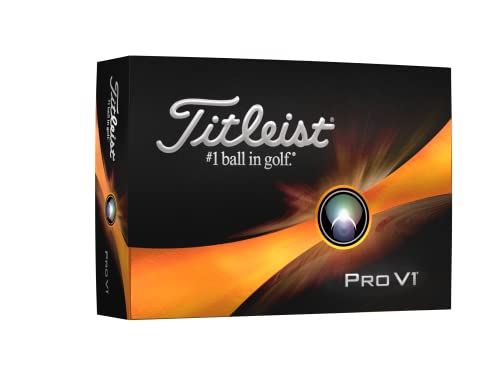
Titleist Pro V1
The Titleist Pro V1 combines a soft feel with remarkable wind performance. Its 388-dimple design minimizes drag, keeping your shots stable in windy conditions. The low long-game spin produces a penetrating flight, while the high short-game spin ensures you still get excellent greenside control. Ideal for all-around players, the Pro V1 thrives in variable weather with its consistent and reliable performance.
Callaway Chrome Soft X
The Callaway Chrome Soft X offers tour-level control and distance, especially in challenging conditions. Designed with a Dual SoftFast Core for enhanced ball speed, it’s built for faster swing speeds and tight dispersion patterns. Its resilient cover works perfectly with the Hex Aerodynamics, elevating lift while reducing drag for a predictable ball flight in the wind. It’s a great option if you’re looking for a high-compression ball that handles gusts without losing precision.
Srixon Z-Star XV
The Srixon Z-Star XV is engineered for players seeking maximum wind resistance and control. Its 338 Speed Dimple pattern promotes stability, reducing turbulence during flight. The FastLayer Core produces explosive distance with low spin off the driver while retaining soft feel around the greens. If you play in windy or coastal courses frequently, this ball’s performance and durability stand out as reliable solutions for tricky conditions.
How To Maximize Performance In Windy Conditions
Playing in the wind demands precision and adaptability. Fine-tuning your swing and selecting suitable equipment improve your game significantly during gusty rounds.
Adjusting Swing Technique
Focus on controlling trajectory by employing a lower ball flight. Swinging at 75–80% of your maximum speed minimizes spin, ensuring a steady path through the wind. Use a more compact swing and reduce wrist hinge for added control. Striking the ball lower on the clubface produces a penetrating flight, essential for maintaining distance and accuracy.
Pay attention to your ball position. Set it slightly back in your stance to reduce loft at impact. For example, when hitting a 7-iron, position the ball near the center of your stance to control the launch angle. A smooth tempo allows you to maintain balance and strike consistency, reducing the risk of errant shots caused by gusty winds.


Choosing The Right Club
Club up when facing headwinds. Using an extra club compensates for the loss of distance, maintaining your target range. For example, if you’d typically use a 9-iron, consider switching to an 8-iron. Downwind, stick with your regular club but focus on controlling spin to avoid excessive rollout.
Evaluate shaft flex and loft for wind impact. Stiffer shafts minimize spin, while lower-lofted clubs enhance a penetrating ball flight. For example, hybrids often outperform long-irons in crosswinds due to their stability and ease of control. Test adjustments during practice sessions to identify clubs that complement your swing and maximize effectiveness in windy conditions.
Conclusion
Playing golf in windy conditions can be challenging, but with the right ball and a few adjustments to your technique, you can turn those gusts into an advantage. Choosing a ball designed for stability and low spin helps you maintain control and consistency, even when the wind picks up.
Don’t forget to pair your ball choice with a controlled swing and smart club selection for the best results. With a little preparation and the right tools in your bag, you’ll be ready to tackle any windy day on the course with confidence.