When it comes to ball performance, the core plays a bigger role than you might think. Whether you’re on the golf course, the tennis court, or the soccer field, the size of a ball’s core directly affects how it behaves in motion. From speed and spin to overall control, the core is the powerhouse driving performance.

You might wonder why core size matters so much. It’s not just about what’s on the outside—it’s what’s inside that counts. A larger or smaller core can change the way a ball responds to force, impacting everything from energy transfer to how far it travels. Understanding this connection can give you an edge, whether you’re a player, coach, or just curious about the science behind it all.
So, how does core size truly influence performance? Let’s dive into the fascinating relationship between design and function. You might be surprised by what’s at play.
Understanding Ball Core Size
As a golfer, you’ve probably heard that the core of your golf ball plays a key role in its performance. The size of the core directly affects how your ball behaves off the clubface and through the air.
What Is Ball Core Size?
Ball core size refers to the diameter of the inner core of a golf ball. In modern golf balls, the core is made of a rubber-like material designed to compress and rebound during impact. Core diameter varies based on ball type. For example, premium balls for low-handicap players often have larger cores to maximize speed and distance, while balls for beginners or high-handicap players may feature smaller cores to enhance control.
The size of the core affects compression levels. Softer or lower compression balls usually have smaller cores, catering to slower swings. In contrast, high-compression balls with larger cores are engineered to handle faster swing speeds. Knowing the relationship between your swing and core size helps tailor your ball choice to match your game.
Why Core Size Matters in Performance
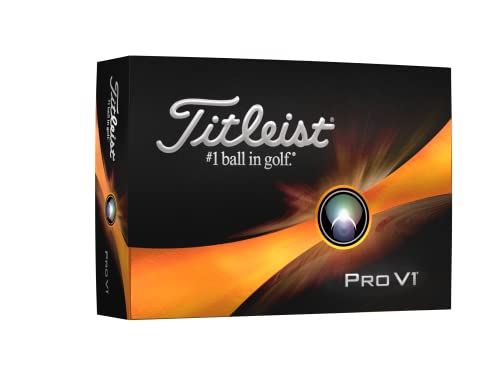
Core size controls key performance factors like distance, spin, and feel. A larger core allows for greater energy transfer, producing faster ball speeds and longer shots. This is especially beneficial for golfers with high swing speeds who want to achieve maximum carry and roll. For example, balls like the Titleist Pro V1x or Bridgestone Tour B X use larger, high-performance cores to deliver explosive distance.
Smaller cores prioritize spin and short-game precision. These balls typically compress more easily, enabling you to generate controlled spin on approach shots and chips. If your game relies heavily on finesse, balls with smaller cores, such as the TaylorMade Soft Response, may work better.
Core size also affects trajectory. Larger cores often result in a higher launch, while smaller cores may keep the flight lower. Choosing the right core size aligns your ball’s flight characteristics with your shot-making preferences.


Materials And Construction
« Six-Piece and Beyond: Exploring the Future of Golf Ball Design and Technology
Cold Weather Performance: Which Sports Balls Deliver Top Resilience in the Chill? »
Understanding the materials and construction of a golf ball helps you choose the right ball for your game. A ball’s core and layers work together to impact performance.
Core Materials And Their Influence
The core is typically made from rubber or synthetic compounds optimized for energy transfer. For low-handicap players like you, larger, firmer cores enhance ball speed and distance, especially with higher swing speeds. These firmer cores compress less during impact, ensuring maximum energy is returned to the ball, leading to longer drives. For golfers with slower swing speeds, softer cores compress more easily, offering greater control and feel on short game shots.
Manufacturers often tweak core formulations to influence spin rates and compression. Premium balls use advanced mixtures, such as high-viscosity rubber, to improve responsiveness and consistency. Multi-layer cores, often found in tour-level balls, balance speed, distance, and spin control, allowing you to optimize performance across all clubs.
The Role Of Outer Layers
Outer layers control spin, durability, and feel around the greens. The mantle, placed between the core and the cover, fine-tunes spin rates by varying stiffness. As a low handicapper, balls with a firmer mantle generate lower driver spin for straighter shots, while softer mantles enhance wedge spin for precise control on approach shots.
Covers, often made from urethane or ionomer, influence feel and durability. Urethane covers, used in premium balls, provide that soft, responsive feel you need for short game precision. They also maximize spin on wedge and iron shots, helping you stop the ball quickly on fast greens. Ionomer covers, commonly used in mid-range balls, trade some spin and feel for rugged durability and lower spin off the tee, catering more to higher handicappers.
Core Size And Ball Speed
Core size plays a pivotal role in determining how fast a golf ball travels after impact. For golfers striving to optimize distance, understanding this correlation becomes essential.
Relationship Between Core Diameter And Velocity
Larger cores tend to generate higher ball speeds because they transfer energy more efficiently at impact. When you strike a ball with a larger core, more of the kinetic energy from your swing gets converted into forward motion. This is particularly beneficial for golfers with higher swing speeds, as larger cores can handle the compression better, resulting in maximum energy retention.
Smaller cores, while providing more spin and control, may sacrifice some speed. If you prioritize precise workability over distance, a smaller core might fit your game better. However, for players looking to consistently achieve longer drives, opting for balls with larger cores offers an advantage.
Case Studies On Core Size And Speed Metrics
Manufacturers like Titleist and Callaway have conducted rigorous testing to measure how core size impacts ball speed. For instance, Titleist’s Pro V1x, which has a larger dual-core design, consistently delivers higher speeds for golfers with swing speeds above 100 mph. Callaway’s Chrome Soft X, featuring a slightly larger Graphene-infused core, also demonstrates enhanced velocity for distance-focused players.
In contrast, premium balls like Bridgestone Tour B RX, with more compact cores, cater to players with moderate swing speeds who prefer balanced performance. Their design improves control yet still maintains respectable velocity for mid-range drives.


By analyzing ball speed metrics from these designs, you’ll realize how dialing in on core size tailor-fits performance to your unique swing dynamics.
Core Size And Spin Behavior
Core size plays a critical role in determining how a golf ball spins during flight. Spin behavior directly affects shot control, trajectory, and stoppage on the green, making it an essential factor to consider when selecting the right ball for your game.
Smaller Cores Vs Larger Cores
Smaller cores tend to prioritize spin and control, making them preferable if your game relies on precision. With a smaller core, the ball often compresses more on impact, enhancing spin rates on short iron and wedge shots. For example, this design lets you generate the backspin needed to hold the green on approach shots, providing the confidence that the ball won’t roll out excessively.
Larger cores, on the other hand, are engineered for speed and stability. These cores reduce spin off the driver, yielding straighter and longer drives. If your swing speed is high, a larger core ensures the ball compresses just enough to maximize energy transfer without over-spinning, which can rob you of distance. Larger cores also contribute to a lower spin profile on long shots, allowing better forgiveness and control on off-center hits.
How Core Design Affects Spin Rates
Core design impacts spin rates by influencing how much energy transfers to the ball and how the layers interact during impact. Dual-core or multi-layer designs often optimize spin separation, where lower spin off the driver combines with higher spin on short irons and wedges for balanced performance.
For instance, a firmer inner core with a softer outer layer creates a ball that generates low driver spin while increasing greenside spin. This construction benefits golfers seeking versatility—allowing you to unleash powerful, controlled drives while still dialing up precision when attacking pins. Conversely, a softer single-core design can emphasize spin across the board, ideal if you prefer a consistent feel and spin profile from tee to green.
Every aspect of core size and design contributes to spin rates, letting you tailor your ball selection to align with your playing strengths and course conditions.
Practical Implications For Players
Understanding how core size influences performance helps you optimize ball selection for your game. As a low-handicap golfer, aligning the ball’s core size with your swing dynamics can make a noticeable difference in everything from distance to control.
Choosing The Right Ball Based On Core Size
Larger cores maximize distance and speed, perfect if you generate high swing speeds. These balls provide efficient energy transfer at impact, resulting in explosive drives and lower long-game spin for straighter shots. For example, models like the Titleist Pro V1x are designed with a larger core to cater to distance-focused players.
Smaller cores offer better spin control, especially around the greens. If your strength is shaping shots or executing delicate approach shots, balls with smaller cores, like the TaylorMade TP5, prioritize precision with a softer feel. By balancing your strengths and the course layout, you can make an informed choice.
Core Size Considerations For Different Sports
In golf, core size has the most direct impact on ball speed, spin, and trajectory. For instance, tennis balls prioritize bounce and durability, while soccer balls focus on balance and air retention, but in golf, it’s all about energy transfer and responsiveness. This is why selecting a ball with the right core size is critical.
Larger cores support higher swing speeds, commonly benefiting players aiming for distance and stability off the tee. Smaller cores favor finesse and backspin, making them ideal for short game precision when you’re targeting specific pin locations. Understanding core size across sports reinforces its essential role in golf ball performance.
Conclusion
Understanding the impact of core size on ball performance can make a real difference in your game. Whether you’re aiming for maximum distance, precise spin control, or a balance of both, the right core size plays a key role in achieving your goals. By aligning your ball choice with your swing dynamics and playing style, you can unlock better performance and more confidence on the course.
Take the time to consider how core size affects factors like speed, spin, and feel. With this knowledge, you’ll be better equipped to choose a ball that complements your strengths and helps you perform at your best.