You’ve probably seen it happen—a perfect swing sends your golf ball soaring, only for it to plop into a water hazard. As you watch it disappear beneath the surface, you might wonder, do golf balls ever float? It’s a question that’s crossed many golfers’ minds, especially when they’re debating whether to dive in or let the ball go.

Understanding Water Resistance In Golf Balls
You might wonder if a golf ball can stay afloat when it lands in water. To answer this, it’s important to examine how materials and density determine buoyancy.
Materials Used In Golf Ball Construction
Modern golf balls use various core and cover materials to enhance performance. The core typically consists of rubber or synthetic compounds, which generate speed and energy transfer. Covers are often made of urethane or Surlyn, both designed for durability and spin control. These materials are dense, prioritizing performance rather than buoyancy.
The Role Of Density In Buoyancy
Golf balls are denser than water, with an average weight of 45.93 grams and a diameter of 1.68 inches. This density gives them the necessary mass to maintain maximum distance and control during play but prevents them from floating. Since the ball displaces less water than its weight, it sinks instead of staying on the surface.
Do Golf Balls Float In Water?
Golf balls don’t float in water due to their construction and density. Their design prioritizes distance, spin, and control, leaving no room for buoyancy.
Scientific Explanation Of Floating And Sinking
An object floats in water if its density is less than water, which is approximately 1 gram per cubic centimeter. Modern golf balls, weighing around 45.93 grams and with a volume of about 40.68 cubic centimeters, have a density of roughly 1.13 grams per cubic centimeter. Since this is higher than water’s density, golf balls sink. Their rubber or synthetic-based cores and durable covers contribute to this density, ensuring optimal performance on the course but making them non-buoyant.
Real-World Tests On Golf Ball Buoyancy
Tests involving golf balls placed in water confirm their sinking behavior. No matter the brand or type—whether it’s a Pro V1, Callaway Chrome Soft, or Bridgestone Tour B RX—the results remain consistent. When submerged, each ball displaces less water than its weight, causing it to sink immediately. Even balls marketed with soft feel or innovative layers focus on enhancing playability, not floating properties.
Exploring Water Resistance In Popular Golf Ball Brands
Knowing how different golf ball brands perform in water can help you make informed decisions. While every golf ball sinks, some brands focus on unique characteristics that affect their interaction with water hazards.
Comparing Standard Golf Balls
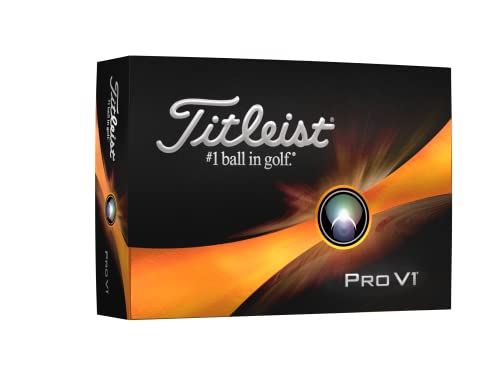
Standard golf balls from major brands like Titleist, Callaway, and Bridgestone focus on distance, spin, and control. For example, a Titleist Pro V1 uses a urethane cover and a dense, multi-layer core to enhance your game. However, these materials increase density, making the ball sink when submerged. Callaway’s Chrome Soft and Bridgestone’s Tour B series follow similar designs, prioritizing performance over buoyancy.


« Cold Weather Performance: Which Sports Balls Deliver Top Resilience in the Chill?
Master Your Short Game: Choosing the Right Golf Ball for Every Skill Level »
In practical terms, when these balls hit a water hazard, retrieving them depends on visibility and accessibility, not whether they float. Whether you use a Pro V1 for its precision or Chrome Soft for a softer feel, all standard options sink due to their density of approximately 1.13 grams per cubic centimeter.
Innovations In Water-Resistant Golf Balls
Some manufacturers experiment with water-resistant or floating designs, but these aren’t suitable for competitive play. Balls designed to float often abandon standard materials like urethane covers. Instead, they use lower-density compounds to reduce overall weight, sacrificing control and distance to achieve buoyancy.
For casual rounds or practice near water hazards, floating balls might help reduce frustrations. Brands like Floating Golf Balls by ChemReacts offer models specifically made to stay atop the water. These solutions cater more to recovering lost balls than optimizing your game. While these innovations may intrigue you, they don’t replace premium golf balls for serious rounds.
Impacts Of Water Resistance On Gameplay
Water resistance directly impacts how golf balls perform and last when exposed to water hazards. Understanding these effects helps you make informed decisions when retrieving or replacing golf balls.
Performance After Contact With Water
A golf ball’s performance often diminishes after prolonged exposure to water. When submerged for hours or days, water seeps into the ball through microscopic pores in the cover. This absorption affects the core’s compression, leading to reduced energy transfer at impact. As a result, your shots might travel shorter distances and have less spin consistency.
Testing shows that golf balls submerged for over 12 hours can lose up to 5-10% of their distance. For instance, a Pro V1 left in water might feel softer but won’t deliver the same control or distance as a new ball. If you’re a low handicapper relying on precision, using water-exposed balls could disrupt your performance, particularly with wedges or long irons.
Longevity Of Golf Balls Exposed To Water
Water exposure weakens a golf ball’s structure over time. Continuous contact with water, especially in humid or wet conditions, accelerates degradation of the cover and core materials. Urethane covers, common in premium balls like Callaway Chrome Soft or Bridgestone Tour B XS, are especially susceptible to damage compared to harder Surlyn covers.
Studies indicate water-soaked golf balls may lose resilience in as little as a week, negatively affecting their playability. For everyday golfers aiming to maximize their investment, using balls retrieved from water hazards should be limited to non-competitive rounds or practice sessions. Always inspect for discoloration, surface marks, or loss of shine, as these signs often indicate water damage.
Conclusion
Golf balls might not float, but their design ensures they perform exceptionally on the course. While sinking in water is inevitable due to their density, it’s a trade-off for the distance, spin, and control you rely on during play. If you’re near water hazards often, floating golf balls or recovery tools can be handy for casual rounds. Just remember, keeping your golf balls dry and inspecting them regularly will help maintain their performance and longevity. So, focus on your game, and don’t let a little water dampen your swing!