When you tee up a golf ball, you probably don’t think about the intricate design hidden beneath its smooth surface. Yet, those layers play a crucial role in how the ball performs, from its spin to its flight distance. Every dimple and core is engineered with precision to help you make the perfect shot.

The science behind layered golf ball designs is fascinating. It’s not just about hitting farther—it’s about control, feel, and adapting to different playing conditions. Whether you’re a casual golfer or chasing that elusive hole-in-one, understanding how these layers work can give you a deeper appreciation for the game and maybe even improve your swing.
The Evolution Of Golf Ball Design
Golf ball design has transformed dramatically from its origins, directly impacting your performance on the course. The earliest golf balls, known as featheries, were hand-crafted leather pouches filled with compressed feathers. These offered minimal durability and inconsistent flight characteristics but marked the starting point for innovation.
By the mid-1800s, gutta-percha balls, or “gutties,” replaced featheries. Made from rubber-like sap, gutties were more affordable and provided better flight consistency. Their ability to be reshaped after scuffs made them a favorite until engineers discovered that intentional surface dimples enhanced aerodynamics.
Rubber-core balls arrived in the early 1900s, delivering greater distance and softer feel. Designers then paired multi-layer construction with varying compression cores, giving you better control over spin and trajectory. By the 1990s, manufacturers began fine-tuning these layers for different swing speeds, ensuring golfers at every level benefited.
Today’s balls combine advanced materials and physics for optimal performance. Multi-layer designs, urethane covers, and ionomer blends work together to refine spin control, enhance distance, and improve durability. Whether you’re seeking maximum carry or greenside precision, modern golf balls cater to specific playing styles and conditions.
Understanding The Layers In Modern Golf Balls
Golf balls are designed with multiple layers to enhance performance for every aspect of your game. Each layer contributes to key factors like distance, spin, and control, helping you adapt to different shots and conditions.
Core Layer And Its Role
The core serves as the power center for the golf ball. It determines the initial velocity and energy transfer when you strike the ball. High-compression cores, often used in premium balls, maximize energy for higher swing speeds, providing distance and control. In contrast, low-compression cores focus on a softer feel and additional distance for players with slower swings. Materials like synthetic rubber are commonly used, ensuring durability while maintaining performance.
Mantle Layers And Their Functions
Mantle layers sit between the core and the outer cover, enhancing spin control and improving energy transfer. Multiple mantle layers in advanced designs fine-tune the ball’s performance for both long shots and short game precision. For example, firmer mantles often reduce spin on drives for increased distance, while softer mantles enhance spin with wedges. These layers adapt the ball’s performance based on your shot and swing speed, making them ideal for players aiming to control trajectory and spin.


The Outer Cover And Its Impact
« Master Long Game Enhancement: Customize Strategies and Gear to Match Your Skill Level
Master Your Game with the Best Low Launch Angle Golf Balls for Precision and Control »
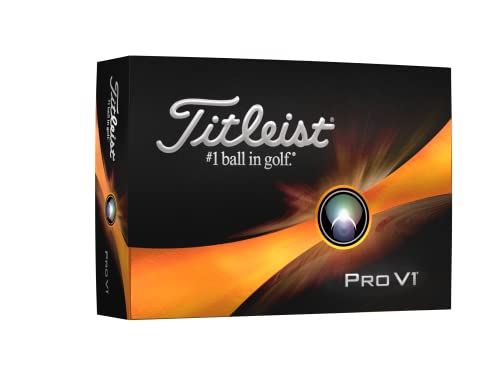
The outer cover provides feel, durability, and control over short-game shots. Premium golf ball covers, usually made of urethane, deliver a soft feel and high spin rates for shots around the green. Surlyn covers, on the other hand, are more durable and less expensive, offering reduced spin and increased durability for beginners. Dimple patterns on the cover are also critical—they minimize drag and optimize lift for a more stable and consistent flight path, which you’ll notice when shaping shots in different wind conditions.
The Material Science In Layered Golf Balls
The performance of a golf ball depends heavily on the materials used in its construction. By understanding these materials, you can make better choices to suit your game and elevate your performance on the course.
Types Of Materials Used
Different materials impact the core, mantle, and cover layers of a golf ball, each contributing to its performance characteristics.
- Core Materials
Advanced polymers or synthetic rubber form the core, acting as the engine of the ball. High-compression cores generate more energy for fast swing speeds, ideal for maximizing distance. For slower swings, low-compression cores offer enhanced feel and control.
- Mantle Layer Materials
Thermoplastic or ionomer-based materials dominate the mantle layer. These materials optimize energy transfer from the core to the cover while improving spin control. Golfers seeking versatile shot-making will benefit from multi-mantle designs that enhance both long-game and short-game performance.
- Cover Materials
Urethane and Surlyn are the primary cover materials. Urethane covers deliver exceptional spin for wedge shots, giving you precise control around the greens. Surlyn covers are tougher and less expensive, designed for durability and straight flight, which may appeal to those prioritizing consistency over finesse.
Innovations In Material Technology
Material innovations over the past decades have transformed how golf balls perform.
- Dual-Density Cores
Layering different densities within the core maximizes energy transfer while maintaining softer compression. As a low handicapper, you’ll appreciate the added responsiveness for complex shot shaping.
- Nanotechnology
Advanced nanomaterials enhance durability and performance. Nano-infused mantle layers improve elasticity for better energy retention. This helps maintain performance even after multiple rounds.
- Reactive Urethane Covers
Recent breakthroughs allow urethane to maintain soft feel while adding resilience. These covers amplify greenside spin on shorter shots without prematurely degrading after repeated impacts.


- Sustainability
Eco-friendly polymer technologies now reduce environmental impact. Biodegradable materials and recycled components are finding their way into modern golf balls, offering performance without compromising sustainability.
By diving into the material science behind golf balls, you’ll discover tools tailored to your swing and playing style. Sophisticated material engineering ensures that every layer of the ball serves a purpose, helping you refine your approach to the game.
How Layered Designs Influence Ball Performance
Layered designs in golf balls impact how they perform during different types of shots. By understanding how each layer contributes to key aspects of distance, accuracy, spin, and control, you can make better choices for your game.
Distance And Accuracy
The core of a golf ball plays a crucial role in achieving maximum distance. A high-compression core generates greater energy transfer, ideal for high swing speeds, while a low-compression core provides more forgiveness and a softer feel for moderate swing speeds. The mantle layers connect the core to the cover, fine-tuning energy transfer and reducing deformation on impact. This ensures consistent ball speed and accuracy, even when you don’t hit the sweet spot.
Dimple patterns on the cover influence aerodynamics. Shallower dimples reduce drag for longer carry, while deeper dimples improve stability in windy conditions. If you’re looking to maximize accuracy for off-center hits, multi-layer balls with premium materials provide better alignment and reduced sidespin.
Spin And Control
The mantle and outer cover layers work together to control spin rates. For high-spinning wedge shots, urethane covers increase friction between the clubface and ball, creating more bite on the green. Beginners or casual players might prefer Surlyn covers, which offer lower spin and straighter flight on full shots while being more durable.
Multi-layer designs also allow you to tailor spin rates for different clubs. A soft mantle layer in premium balls adds spin on short irons but minimizes backspin on drives for added roll-out. If precision around the greens is vital to your game, these additional layers will provide you with the extra touch and predictability needed to score low.
Testing And Advances In Layered Golf Ball Technology
Understanding the rigorous testing and technological innovations behind layered golf balls helps you make smarter choices for your game. Testing focuses on precision, durability, and performance across different playing conditions. Engineers replicate real-world scenarios using robotic swing machines that simulate various clubhead speeds, spin rates, and launch angles. These tests ensure each golf ball performs consistently, whether you’re driving 280 yards or executing a precise chip from 15 yards out.
Advances in material science have taken layered golf balls to the next level. Manufacturers blend different polymers, synthetic rubbers, and advanced urethane compounds to fine-tune core compression, energy transfer, and cover performance. For example, adjustable dual or even triple-core technologies help better match specific swing speeds, giving you the competitive edge you need.
Wind tunnel testing has also enhanced dimple designs. By optimizing patterns for aerodynamics, these advancements reduce drag and stabilize ball flight for more control in windy conditions. Some premium models even feature seamless dimple designs to eliminate inconsistencies in airflow.
Professionals and low-handicap golfers, like yourself, gain additional insights from player-focused trials. These evaluations test feel, spin, and trajectory under real-world conditions. Using data-driven improvements, modern golf balls feature precise layer combinations to deliver the balance of distance, spin, and control you aim for in every shot.
Conclusion
The layered design of modern golf balls showcases an incredible blend of science, engineering, and innovation. Every layer, material, and dimple pattern works together to fine-tune performance, ensuring you get the most out of every shot. Whether you’re aiming for distance, control, or spin, these advancements cater to all playing styles and conditions.
By understanding the intricacies of golf ball construction, you can make more informed choices and elevate your game. With ongoing innovations and even eco-friendly options, today’s golf balls are a testament to how far the sport has come—and where it’s headed.