Ever noticed how your game feels different when you’re playing at higher altitudes? Whether you’re on a mountain golf course or a high-elevation tennis court, the thinner air can significantly impact how your ball moves. It’s not just your imagination—altitude changes everything from speed to trajectory, and choosing the right ball can make all the difference.

When you’re playing in high-altitude conditions, the reduced air density means less drag on the ball. While that might sound like a good thing, it also means less control and more unpredictability. Picking the right ball tailored for these conditions can help you maintain your accuracy and performance.
If you’re wondering how to adjust your gear for high-altitude play, you’re not alone. Understanding how altitude affects your ball and knowing what to look for can elevate your game—literally and figuratively. Let’s dive into the key factors to consider.
Understanding High Altitude Effects on Ball Performance
Golfing at high altitude impacts how your ball behaves due to changes in air density and pressure. The adjustments you make can significantly affect your game, especially in terms of distance and control.
Impact of Air Pressure and Altitude on Ball Behavior
At higher altitudes, the lower air density reduces drag on your golf ball during flight. With less drag, your ball travels farther, increasing carry distance by 5-10% depending on elevation. For example, at 5,000 feet above sea level, a driver shot that goes 250 yards at sea level might stretch to 265-275 yards. Despite the added distance, reduced drag also causes less lift on the ball, impacting shot trajectory and spin. You’ll notice lower spin rates, leading to less stopping power on greens.
The thinner air also intensifies the effects of mishits. A slight slice or hook can become exaggerated because reduced drag allows the ball to stay on its off-target line longer. Judging carry distance accurately becomes challenging without first accounting for altitude adjustments.
Why Standard Balls May Not Perform Well at High Altitudes
Standard golf balls are optimized for sea-level conditions and may struggle to deliver consistent results at high altitudes. Their spin rates, compression, and aerodynamics don’t adjust automatically for thinner air, leading to unpredictable ball flight. High-compression balls, for instance, which may excel at controlling spin under normal conditions, might feel harder off the clubface and lack the bite you expect on approach shots in these environments.
Additionally, dimple patterns on standard balls, designed for dense air, may underperform in reduced density. This can result in flatter trajectories and lower control, especially with long irons or wedges where precision matters most. Many high-altitude golfers opt for low-compression or specific high-altitude balls with designs that offset these effects, providing better control and stability.
Choosing the Right Ball for High Altitude
Golf at high altitudes comes with unique challenges, especially regarding ball performance. The thinner air alters spin, flight, and control, so choosing a ball suited for these conditions can significantly improve your game.


Key Features to Look for in a High-Altitude-Friendly Ball
« Best Four-Piece Balls for Low Scores: Boost Distance, Spin, and Control on the Course
Low Swing Speed? Discover the Right Golf Ball for Maximum Distance and Control »
Selecting the right ball involves identifying features that enhance control and stability.
- Compression Level: Low-compression balls compress more on impact, maintaining control and consistency in thinner air. For instance, balls with compression ratings in the 60-80 range often perform better at high altitudes.
- Spin Rates: Opt for balls designed with mid or lower spin rates to reduce side spin and improve straightness off the tee. A ball prone to high spin, like some tour-level balls, may exaggerate hook or slice tendencies in thinner air.
- Distance Optimization: At high altitudes, balls initially travel farther. Choosing a ball engineered for enhanced short-game spin can help offset the reduced stopping power on greens.
Materials and Design Considerations
The materials and design of a golf ball directly affect its performance at elevation.
- Core Construction: Soft rubber cores provide better feel and enhanced control on approaches. Multi-layer balls with soft cores and durable outer layers can balance distance and precision.
- Cover Material: Urethane-covered balls, common in premium options, deliver exceptional greenside control even in altitude-dense environments. However, if control outweighs spin preference, ionomer covers can offer durability and slightly lower spin.
- Aerodynamics: Dimple patterns designed for lower drag, like those found on many modern distance balls, allow steadier ball flight in thinner air. For example, balls with fewer or shallower dimples adapt well to reduced air resistance.
Selecting a ball tailored to high-altitude play fine-tunes your performance, maintaining both distance and control where conditions are less predictable.
Popular Ball Options for High Altitude Play
Choosing the right golf ball for high-altitude courses can refine your accuracy and optimize distance. Certain ball types perform better in thin air, helping you maintain control on the greens.
Top Recommendations for Sports Like Soccer, Tennis, and Golf
For golfers, low-compression balls like the Titleist Tour Soft or Callaway Supersoft perform well at high altitudes. These models generate more consistent flight patterns due to their softer cores, reducing excessive rollout on approach shots. Mid-spin balls such as the Srixon Q-Star are reliable if you’re looking for balanced distance and greenside control.
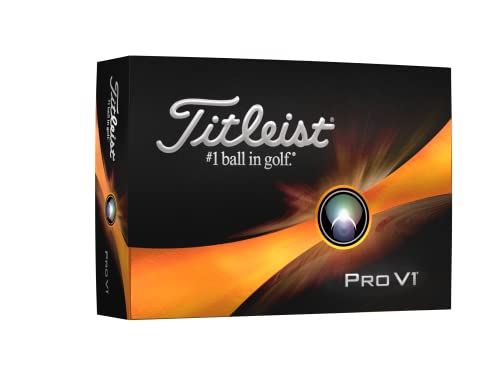
Golfers playing at elevations over 3,000 feet often prefer high-performance balls with aerodynamic dimple patterns. For example, the Titleist Pro V1 offers stable flight trajectories, while the Bridgestone Tour B RX maintains spin control and combines distance with short-game responsiveness. These balls mitigate the influence of reduced air density, enhancing feedback on both drivers and wedges.
Pros and Cons of High-Altitude-Optimized Balls
High-altitude-optimized golf balls provide better consistency. Low-compression cores reduce the chance of erratic flight in thin air, which is critical for maintaining accuracy on wide-open approaches. Softer covers, such as urethane, increase spin around greens, helping you stick approach shots more effectively despite lower stopping power caused by reduced lift.
However, high-altitude-specific balls may compromise distance on longer holes when played at lower elevations. Softer balls can deform slightly on impact, impacting ball speed. Additionally, premium balls like the Pro V1 or Bridgestone Tour B series may be more expensive, but their control and performance often justify the investment for serious players.
Testing and Maintaining the Ball at High Altitudes
Choosing the right ball is only half the equation; testing and proper maintenance ensure long-term performance, especially at high altitudes where conditions amplify any imperfections.
Best Practices for Testing Ball Performance
Focus your testing on both distance and control to match high-altitude conditions. Start by heading to a driving range or a launch monitor at your playing altitude to compare ball performance. Test multiple balls, including low-compression and mid-spin options, to identify which models deliver the most consistent flight and spin rates. Pay attention to carry distance, rollout, and shot shape during your testing.


Evaluate wedge and putter performance since thinner air reduces greenside spin. Use short-game drills to test stopping power and feel around the greens. High-altitude golf often affects touch; a ball with a softer cover may give you better feedback on finesse shots. Track your data and stick to one ball model that meets your distance and control needs for predictable play.
Maintenance Tips for Prolonging Ball Life
Proper ball maintenance keeps your equipment at peak performance over time. At high altitudes, environmental factors like dry air and hard terrain can wear balls out quicker. Inspect your balls after every round for scuffs, cracks, or dimple damage, as these imperfections compromise flight and spin consistency.
Store your balls in a cool, dry place, avoiding direct sunlight or excess heat, which can alter the ball’s core compression. Clean your balls after each round using warm, soapy water and a soft brush to remove dirt and debris without damaging the cover. This simple cleaning habit ensures better contact with the clubface, enhancing both distance and spin reliability.
Rotate your golf balls every few rounds to prevent uneven wear, especially if you’re playing on firm, rocky courses. By taking care of your balls, you’re not only preserving their performance but also getting more value out of your investment in high-quality, altitude-optimized models.
Conclusion
Playing at high altitudes comes with unique challenges, but the right ball can make all the difference. By understanding how thinner air impacts ball behavior and choosing a model tailored to these conditions, you’ll gain better control and consistency in your game.
Take the time to test different options and maintain your equipment properly to ensure peak performance. With the right adjustments, you’ll be ready to tackle high-altitude courses with confidence and precision.