Ever wondered if those flashy colored golf balls you’ve seen on the course are actually any good? You’re not alone. It’s a hot topic among golfers, and you might be surprised by what you’ll discover about their performance compared to the traditional white.

Advantages of Colored Golf Balls
As you stroll down the fairway, you can’t help but notice the array of colored golf balls dotting the course. It’s not just about standing out from the crowd; these vibrant alternatives offer tangible benefits that might just shave strokes off your game.
Visibility is a standout advantage. Colored golf balls, especially in bright hues like yellow or orange, are much easier to spot against the green fairways and blue skies. You’ll spend less time searching for your ball and more time planning your next shot. This can be especially helpful during fall or when the course is littered with leaves.
Let’s talk about the psychology behind colors. Some golfers feel more confident and positive when playing with a ball that suits their style or mood. A splash of color might provide that mental edge you need to perform at your best.
Regarding performance, manufacturers have stepped up their game. Modern colored golf balls are designed to offer the same aerodynamic and game-improvement qualities as their white counterparts. High-visibility balls often feature a matte finish, which not only reduces glare but can enhance your perception of the ball’s movement, helping with putting alignment and control on the greens.
Better tracking is another key aspect to consider. When you hit a nearly perfect drive, being able to follow the ball’s flight path helps you make adjustments on your swing for the next tee shot. Colored golf balls can provide clearer feedback on your launch angle and spin.
Here’s a quick glance at some data regarding visibility:
| Ball Color | Visibility Increase* |
|---|---|
| Yellow | 6% |
| Orange | 5% |
| Pink | 4% |
*Compared to white golf balls in certain conditions.
Remember, the psychological and visual benefits could very well translate into improved focus and performance during your round. Next time you’re gearing up for a day on the links, consider teeing off with a colored ball and observe how it impacts your game. You might find that the blend of fashion and function suits your low-handicap play style just perfectly.


Disadvantages of Colored Golf Balls
« What Are the Best Golf Ball Brands? Discover Top Picks for Your Game
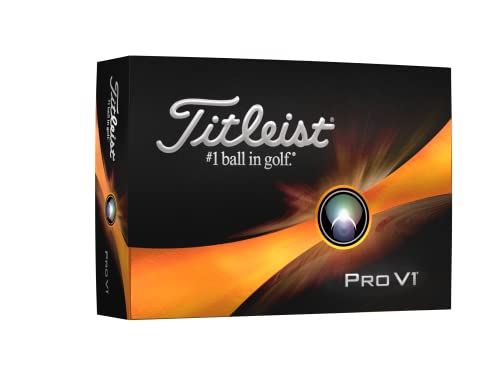
Most Popular Golf Ball in the World: Why Pros Choose Titleist Pro V1 »
While there’s a lot to love about colored golf balls, they’re not without drawbacks. It’s worth considering some potential disadvantages before you make the switch.
Traditionalists Be Warned, colored balls are often viewed as a fad by purists of the sport. If you’re one to respect the classic aesthetic of golf, adding a splash of color to your game may feel like straying from tradition, and for some, tradition is a cornerstone of golf culture.
Surface Scuff Visibility can be more pronounced on colored golf balls. White balls can hide minor blemishes much better than their colored counterparts. This means that every nick and scratch will be more visible to you on a colored ball. As a result, you might find yourself replacing your golf balls more frequently to keep up appearances, which can add to your overall golfing expenses.
Traditional white balls have been around for so long that many players find their performance more predictable under varying lighting conditions. Switching to a colored ball could mean that you’ll need to adjust to how they appear in different environments, potentially hindering your visual acuity until you’re used to the change.
Lastly, not all colored golf balls are created equal. The dye used to color the balls can occasionally affect the consistency and durability of the exterior. This might not be noticeable at first, but over time, you could see a drop in performance as the ball degrades at a faster rate than a white ball.
Before you fully commit to a colored golf ball, it’s crucial to weigh these potential downsides against the advantages. Each golfer’s experience will be unique, so don’t be afraid to try them out—just keep your expectations in check and pay attention to how they perform over time. After all, golfing is as much about personal preference as it is about tradition and performance.
Visibility on the Course
As an avid golfer and a low handicapper, you’re aware that every detail counts. When it comes to colored golf balls, their visibility is a prime factor that draws your attention. The bright hues are not just a style statement; they’re a practical choice for keeping your eye on the ball during flight and when it lands.
Out on the fairway, white balls can blend with the bright sky or the glare off the course, making tracking the ball more challenging. With colored golf balls, the contrast against the greens and the sky is significantly higher. This contrast is especially beneficial during twilight hours or on overcast days when traditional white balls become harder to spot.
Here’s a practical observation: reds and oranges are renowned for their stand-out presence in a sea of green. It can be incredibly satisfying to spot your neon orange ball right in the middle of the fairway when your playing partners are hunting for their pearly whites in the rough.
But remember, while these colors are great for finding your ball after a great drive, some colors can still be difficult to locate in certain situations. A blue ball against a clear sky or a green one lost in the rough can leave you squinting and searching just as much as a white ball, if not more. It’s essential to choose the color based on typical conditions of your local course.


Moreover, consider your personal color vision and preferences. If particular colors pop for you, make those your go-to when stocking up your golf bag. Various shades might yield different results for visibility, and it’s all about finding what works best for your eyes. After all, the less time you spend searching for your ball, the more time you can focus on planning your next shot – and isn’t that a key part of improving your game?
Performance of Colored Golf Balls
When you’re hustling to lower your handicap, equipment performance is key. You might be wondering if playing with a colored golf ball could somehow impede your game. Let’s bust a myth here: colored golf balls perform just as well as white golf balls. The difference in color doesn’t affect the ball’s fundamental capabilities.
Manufacturers have poured the same technological advancements into colored balls as they have into traditional white ones. That means your favorite neon yellow or matte red ball is packed with the same design features aimed at enhancing speed, spin, and control. Here are some aspects to consider:
- Construction: Colored or not, modern golf balls usually feature multi-layer construction that aids in distance and feel. Both white and colored varieties offer options ranging from two-piece balls favored for distance, to multi-layer designs that provide a softer feel for better short game control.
- Cover Material: Whether the ball is white, yellow, or pink, the cover materials like urethane or Surlyn are consistent among color options offering similar durability and performance characteristics.
- Compression: This is more about personal preference and swing speed rather than color. Both white and colored golf balls come in a range of compression ratings suitable for different types of players.
All these factors play into the performance aspect, but it’s the visibility benefit where colored golf balls really shine. That pop of color provides you with a tracking advantage, especially in low light conditions or when the ball lands on autumn leaves.
So don’t be swayed by any talk suggesting colored balls are inferior. Your skills, swing, and shot execution are what matter most. Occasionally, some players may claim to feel a difference, but that’s likely more psychological than factual. After all, golf is a mental game as much as it is physical. If a colored ball gives you greater confidence or simply makes the game more enjoyable, that’s reason enough to keep them in your bag.
Conclusion
So don’t let myths steer you away from colored golf balls. They’ve got all the high-tech features you’d expect and can give you an edge in visibility during your game. If you find a colored ball that boosts your confidence or simply adds a dash of fun to your play, go for it! After all, enjoying the game is what’s most important and if a splash of color helps you do that, then it’s a win on all fronts. Remember it’s your game your rules—choose the ball that suits you best and watch your game flourish.
Frequently Asked Questions
Are colored golf balls technically inferior to white golf balls?
No, colored golf balls offer the same technological features as white golf balls, such as multi-layer construction, cover materials, and compression options. Color does not impact the performance of the golf ball.
Do colored golf balls have any advantages over white golf balls?
Yes, the primary advantage of colored golf balls is their visibility. They are easier to spot in low light conditions or against certain backgrounds, like autumn leaves.
Will using a colored golf ball affect my game?
Using a colored golf ball will not negatively affect your game. Its performance is equivalent to that of a white golf ball, and if it boosts your confidence or enjoyment, it can positively influence your playing experience.
Is there any situation where a white golf ball is better than a colored one?
The performance of a white golf ball is not better than a colored golf ball; the choice primarily comes down to personal preference and visibility. In some environments, white may be easier to see, but there is no inherent performance difference.
Can I find high-quality golf balls in colors other than white?
Yes, high-quality golf balls are available in various colors, and they are designed with the same advanced features as white golf balls. The color choice does not compromise the quality of the ball.