Ever wandered down the aisles of Costco and spotted Kirkland golf balls sitting next to the revered Titleist Pro V1s? You’ve probably wondered if they’re comparable, and you’re not alone. In the golf community, the debate over whether Kirkland balls stack up against the Pro V1 is a hot topic.

In this article, we’ll dive into what makes a premium golf ball and if the Kirkland Signature competes with the Pro V1’s throne. You’re about to discover if your next game could have that Pro V1 feel without breaking the bank. So grab your clubs, and let’s get to the heart of this golf ball showdown.
What Makes a Premium Golf Ball?
As you delve into the world of golf, you’ll quickly realize that not all golf balls are created equal. Premium golf balls, like the Titleist Pro V1, are the cream of the crop, designed with features that offer superior performance on the course.
Construction is key. Premium balls typically have a multi-layer structure, which impacts the ball’s feel, spin, flight, and durability. The more layers, the better the performance tuning for different aspects of the game, whether it’s achieving maximum distance off the tee or gaining more control around the greens.
Let’s talk about the cover. The outer layer of a premium golf ball is made of urethane or a similar high-quality material that provides a soft feel and increased spin control. This material lets you finesse shots around the greens and gives that satisfying ‘bite’ as the ball hits the putting surface.
But it’s not just about the cover. The core of the ball is also crucial. A sophisticated core helps in transferring the energy from your swing to the ball efficiently, ensuring optimal flight and distance. The interior layers are often designed to reduce spin off the driver, helping to keep your shots straight and long.
Now consider the dimple pattern. It’s not just for looks – this design affects the aerodynamics of the ball, influencing how it cuts through the air and responds to different weather conditions. Manufacturers spend a lot of R&D to get this right, all aimed at giving you a stable, consistent flight path.
What it boils down to is performance outcomes. When using a premium ball, you’re looking for:
- Longer distance off the tee
- Stable flight in varying conditions
- Greater control and spin on approach shots
- Consistent feel throughout the bag
Without these features, a golf ball may not deliver the level of play you’re after. The question is, can a cost-effective option like Kirkland provide this? Let’s investigate further.


The Kirkland Signature Golf Ball
« Ladybug Golf Balls: Stand Out on the Green with These Unique Balls
How to Fade a Golf Ball Like a Pro: Swing Secrets Revealed »
As an enthusiastic golfer with a low handicap, you’re probably always on the lookout for the kind of ball that offers top-notch performance without breaking the bank. Kirkland Signature golf balls might just hit the right spot on your scorecard. You know how crucial it is to have a ball that delivers on distance and precision, especially when your game depends on it.
You may have heard the buzz about these golf balls in the clubhouse. The Kirkland Signature balls come from Costco’s in-house brand, known for offering quality at a value. But don’t let their modest price tag fool you. These balls are designed with a focus on high-performance features, aiming to challenge the notion that only high-priced balls can provide professional-level play.
One of the standout attributes of the Kirkland Signature is the three-piece construction. It’s a build that’s often associated with balls used by pros. The advantage of this design is that it balances distance with control, giving you the chance to make each stroke count. The urethane cover adds a soft feel and durability, enhancing your short game with improved spin and control around the greens.
But it’s not just the construction that resembles the higher-end balls. The Kirkland Signature also boasts a 360-dimple pattern, which is meticulously crafted to reduce drag and ensure a consistent, penetrating flight. This could mean those long drives you’re aiming for won’t fall short.
And let’s talk core; Kirkland balls feature a responsive rubber core. You might be pleasantly surprised by the energy transfer from club to ball, offering that extra bit of length to your drive while maintaining a controlled approach shot.
While Kirkland might not carry the weight of a brand like Titleist, their Signature balls are quietly earning respect among players who value performance as well as economy. Whether they stand up to the revered Pro V1 is a question you might find yourself exploring. Just remember, at the end of the day, your own technique and comfort with the ball play pivotal roles in your game’s outcome.
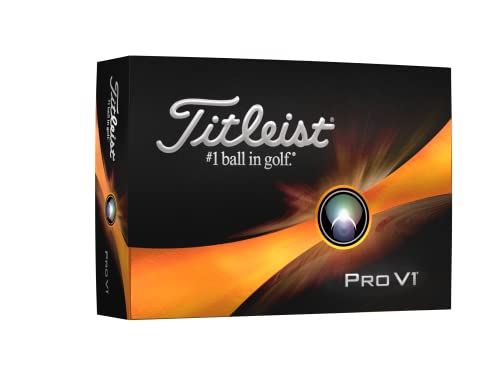
The Titleist Pro V1 Golf Ball
When you grab a Titleist Pro V1, you’re clutching a piece of golfing legend. Titleist, trusted by pros and low handicappers alike, has set the industry standard with its Pro V1 golf ball line. Launched in 2000, these golf balls quickly became a sensation on the greens due to their revolutionary design and unmatched performance.
You’ve likely noticed the difference when teeing off with a Pro V1. They’re known for their consistent ball flight and exceptional distance, a result of the meticulous engineering behind their design. Titleist uses a patented elastomer urethane cover, which isn’t just durable, it’s integral to producing that soft feel you love around the greens. The cover also works in tandem with the 352 tetrahedral dimple design to provide a penetrating trajectory that you can count on regardless of weather conditions.
Peel back the Pro V1’s outer layer, and you’ll find a large core and a thin casing layer that helps in reducing spin on long games while maintaining that indispensable soft feel. This means your long drives stay straight, and the dreaded hook or slice is minimized, giving you an edge to play with confidence. The exceptional quality you get with each Pro V1 doesn’t just come from thin air.
Titleist’s commitment to quality ensures that each Pro V1 is meticulously crafted, undergoing rigorous testing phases before it even hits the market. You’re not just purchasing golf balls; you’re investing in years of research, development, and the brand’s dedication to perfection. For golfers serious about their game, the Pro V1 provides the performance and reliability necessary to shave strokes off your score.


While considering options, remember the legacy and technology that come with the Pro V1. They are more of an investment than a purchase and could well be the key to elevating your game to levels you’ve been aspiring to reach. As you walk the fairway with Pro V1 in your bag, you’re part of a community that values quality and performance above all.
A Comparison of Performance
When you’re looking to refine your game, understanding the different characteristics of golf balls is critical. Performance on the course is often directly linked to the right equipment. So, let’s delve into how Kirkland golf balls stack up against the Titleist Pro V1.
First, consider the construction. The Kirkland ball boasts a urethane cover, similar to the Pro V1, which is pivotal for creating that soft feel you treasure around the greens. But it’s not just about the cover. The Pro V1 is engineered with a 352 dimple design while the Kirkland ball’s dimple pattern differs, possibly affecting the aerodynamics and ultimately, the ball’s flight.
In terms of spin, the Pro V1 is designed to reduce spin on long shots, which can help you hit it longer off the tee. Kirkland, on the other hand, might offer a bit more spin off the driver, which may or may not suit your swing. If you deal with a slice or a hook, this could be a key point of differentiation for you.
Let’s talk feel. Both balls provide a solid response on impact, but the Pro V1 is often referred to as the gold standard for soft feel. You’ve probably experienced yourself how this translates into control, especially on short-game shots where precision is paramount.
Finally, durability is paramount. Are you tired of your ball looking battle-scarred after a few holes? Reports from fellow golfers hint that the Kirkland balls may show wear a tad sooner than Pro V1s, possibly changing the game in terms of long-term cost-effectiveness.
Here’s a quick snapshot to illustrate key performance aspects:
| Feature | Titleist Pro V1 | Kirkland |
|---|---|---|
| Cover | Urethane Elastomer | Urethane |
| Dimple Design | 352 Tetrahedral | Varies |
| Spin | Low long game spin | Medium long game spin |
| Feel | Soft | Firm to Soft |
| Durability | High | Moderate |
Conclusion
Frequently Asked Questions
How do Kirkland golf balls compare to Titleist Pro V1 in terms of construction?
Kirkland golf balls feature a urethane cover similar to Titleist Pro V1, but they differ in dimple pattern and spin characteristics.
What are the main differences in performance between Kirkland and Titleist Pro V1 golf balls?
The main differences include the spin, feel, and durability. Pro V1 is known for its softer feel and longer-lasting durability, while Kirkland balls may wear more quickly and have a unique spin profile due to their dimple pattern.
Is the Kirkland golf ball cover made of the same material as the Titleist Pro V1?
Yes, both the Kirkland and Titleist Pro V1 golf balls have a urethane cover.
Which golf ball is known for a softer feel, Kirkland or Titleist Pro V1?
The Titleist Pro V1 is renowned for its soft feel.
Can you expect the same level of durability from Kirkland golf balls as from Titleist Pro V1?
No, Titleist Pro V1 golf balls generally display better durability compared to Kirkland golf balls.