Ever tried teeing off in cooler weather and felt like your golf ball just won’t cooperate? You’re not alone. When the thermometer dips to around 50 degrees, choosing the right golf ball can make a significant difference in your game.

In this article, we’ll dive into the best golf balls that are designed to perform when the weather is less than ideal. From materials that retain their flexibility to cores that maintain energy, you’ll find out what makes a golf ball stand out in the chill.
Factors to Consider when Choosing a Golf Ball for Cooler Weather
When the temperature drops, you’ll want to compensate for the decrease in ball distance. Cool air is denser, and this affects how the ball travels through the air. The right golf ball can help counteract these changes, ensuring that your performance remains consistent.
Golf Ball Core
The core of a golf ball is its heart. In cooler conditions, it’s crucial that the core doesn’t lose its ability to compress upon impact. A low compression core is often the way to go, as it requires less force to compress and therefore better maintains its distance in the cold.
Cover Material
The cover material of your golf ball matters just as much as the core. Some materials, like urethane, remain softer in lower temperatures and offer better control and feel. A softer cover also helps to achieve more spin, which can be beneficial for shots around the green.
Construction
The construction of a golf ball – whether it’s two-piece, three-piece, or more – affects its performance in cooler weather. Multi-layer balls usually have the advantage, offering a combination of distance and feel that can be tailored to less ideal conditions.
Color and Visibility
Don’t forget about visibility when choosing your golf ball for the cooler season. With less daylight and often overcast conditions, a brightly colored ball will be much easier to spot on the course.
- Low compression core maintains distance
- Softer cover material like urethane improves control
- Multi-layer construction provides a balance between distance and feel
- Bright colors enhance visibility under overcast skies
Keeping these considerations in mind, you’ll be able to select a golf ball that not only suits your skill level but also ensures you get the most out of your game when the mercury drops.
Importance of Ball Compression in 50 Degree Weather
When you’re hitting the links in 50 degree weather, understanding ball compression can significantly affect your game. Ball compression refers to the “softness” or “hardness” of a golf ball and how it reacts when struck by a club. In colder weather, this characteristic plays a pivotal role in your performance.


« Are Golf Balls Biodegradable? Unveiling the Future of Eco-Friendly Golf
Best Golf Ball for High Handicap Senior: Unlock More Distance Now »
First off, you might notice that balls with higher compression become much harder in lower temperatures, which can lead to decreased ball speed and shorter distances on your drives. Opting for a low compression ball, typically rated below 70, allows for better energy transfer, especially when the mercury drops around the 50-degree mark.
What’s more, a low compression ball can assist you in maintaining a better feel around the greens. When the air’s chilly, it’s not just about reaching the green—it’s about how your ball behaves once it lands. The softer feel of a low compression ball can grant you that additional control you need for your short game.
Here’s an interesting snippet to note—the overall distance loss in cold weather can be around 5-10 yards when temperatures hover around the 50-degree mark. This is due to denser air and the impact it has on ball trajectory and spin. It’s crucial to adapt your choice of ball knowing these facts:
| Temperature | Approximate Distance Loss |
|---|---|
| 90°F (32°C) | 0 Yards |
| 50°F (10°C) | 5-10 Yards |
Maintain a stash of low compression balls in your bag during those cooler months—you won’t regret it. Choose a ball that balances compression with a soft cover, like urethane, to excel in speed, control, and maneuverability despite the chill in the air. Remember, it’s not just about keeping your hands warm; your choice of golf ball deserves just as much attention to keep your scores low.
Best Golf Ball Materials for Lower Temperatures
When you’re gearing up for a round of golf in chillier conditions, considering the material composition of your golf ball is key. Different materials react distinctly to temperature changes, impacting not only the feel but also the performance of the ball during play.
Urethane-covered balls are a popular option when temperatures drop to around 50 degrees. Urethane offers a soft feel and exceptional spin control which can partially counteract the hardness that cold temperatures impart on high compression balls. This material ensures that even in cooler conditions, you’ll have a ball that provides excellent greenside control and enough spin to stop the ball on approach shots.
Another material to keep an eye on is Surlyn. Balls with Surlyn covers are generally lower in compression, which as you’ve learned, is beneficial in colder weather. They’re also more cut-resistant than urethane, offering durability that’s helpful on courses with rougher terrain that comes into play especially when the ground is firm from the cold.
Here’s a quick rundown of materials and their attributes:
| Material | Feel | Spin | Durability | Temperature Suitability |
|---|---|---|---|---|
| Urethane | Soft | High | Medium | Colder |
| Surlyn | Firmer | Lower | High | All temperatures |
In addition to the outer cover, the core construction matters too. Multilayer balls with a softer inner core and firmer outer layers offer a balance of distance and feel that can help maintain performance as temperatures fluctuate.
Multi-layer vs. Single-layer Golf Balls in Cooler Weather
When you’re out on the course and the mercury dips, your choice between a multi-layer and single-layer golf ball can make a substantial difference in your game. Multi-layer balls typically include a soft inner core surrounded by one or more additional layers before reaching the outer cover. This construction allows the ball to better respond to your swing speed, offering a tailored experience for low, mid, and high handicappers alike.


On the other hand, single-layer balls, commonly known as two-piece balls, have a solid core and a durable cover. They’re engineered for durability and are often less expensive than multi-layer options. In cooler temperatures around 50 degrees, these balls maintain their firmness more consistently than their multi-layer counterparts.
- For a low handicapper like yourself, multi-layer golf balls are generally the preferred option. They offer:
- Enhanced spin control on greens
- Improved feel on well-struck shots
- Advanced technology in core and cover allowing for performance fine-tuning
However, these balls may not compress quite as well at lower temperatures, potentially costing you some distance. But it’s not just about distance – control and feel shouldn’t be compromised, especially in the short game where strokes are often won or lost.
- For single-layer balls, on the upside, you get:
- Consistently firm feel, even in cold
- Lower cost per ball
- Greater durability and reduced risk of cuts or scrapes
While these might not offer the sophisticated performance features of multi-layer balls, their reliability in cooler weather can be a big plus. Your swing and personal preference will ultimately dictate whether the trade-offs in distance and control are worth it in chilly conditions.
Remember, pairing the right type of ball with a cover material suitable for colder weather, like urethane for softer feel or Surlyn for better cut-resistance, can make all the difference. Keep your hands warm and your swing smooth, and you’ll be set to tackle those brisk rounds with confidence.
Top Golf Ball Brands for Cold Weather Performance
Navigating the chilly fairways, you know that not all golf balls are created equal, especially when it comes to 50-degree weather. With the mercury dipping, certain brands stand out for their cold weather performance.
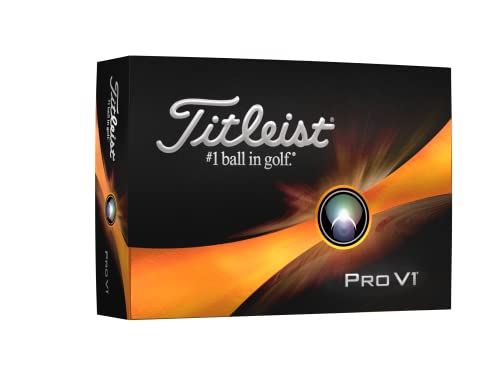
Titleist, a giant in the golf ball market, offers the Pro V1 and Pro V1x, which are favored by many low handicappers. The Pro V1x, in particular, keeps its consistency and spin control even when the temperature drops. This is due to its multi-layer construction and Urethane Elastomer cover which maintains a softer feel in cold weather.
Next up, the Callaway Chrome Soft range is another contender with its Graphene-infused Dual SoftFast Core. Despite the cold, these balls provide an exceptional blend of distance, control, and feel that you need when layering up becomes a necessity. The Chrome Soft’s lower compression is particularly beneficial in cooler conditions, helping it retain energy for that much-needed distance off the tee.
For those on a budget, Wilson Staff’s DUO Soft+ is an excellent choice without sacrificing performance. The low compression of these balls becomes an advantage in colder weather, allowing for better playability when other balls might feel like you’re hitting a rock. They’re easier on the wallet and still provide a surprisingly soft feel for a two-piece ball.
Lastly, don’t overlook Bridgestone’s e12 Contact. With its unique Contact Force dimple design, it boasts better contact with the clubface, leading to increased distance and accuracy. This is especially useful when colder weather can impact your swing speed.
Whether you’re a scratch golfer or working towards single digits, pairing your skill with a golf ball that responds well to cooler temperatures can keep your game sharp. Opt for a ball that complements the conditions and your playing style, and you’ll likely see fewer strokes on the scorecard. Remember to consider the ball’s core, compression, and cover material as you make your selection – these elements are key to optimizing cold weather play.
Conclusion: Finding the Perfect Golf Ball for 50 Degree Weather
You’ve got the scoop on the best golf balls for those brisk 50-degree days on the course. Whether you’re reaching for the consistent performance of Titleist’s Pro V1 and Pro V1x, enjoying the balanced feel of Callaway’s Chrome Soft, or getting value with Wilson Staff’s DUO Soft+, your game won’t have to suffer when the temperature drops. Don’t forget about Bridgestone’s e12 Contact for that extra edge in distance and accuracy. Remember, the right ball can make all the difference, so next time you’re gearing up for a chilly round, choose one that’ll keep your game hot even when the weather’s not.
Frequently Asked Questions
Which golf ball brands are recommended for cold weather?
Titleist Pro V1 and Pro V1x, Callaway Chrome Soft, Wilson Staff DUO Soft+, and Bridgestone e12 Contact are highly recommended for cold weather golfing due to their construction and materials optimized for performance in lower temperatures.
Why do the Titleist Pro V1 and Pro V1x perform well in cold weather?
The Pro V1 and Pro V1x maintain consistency and spin control in cold weather due to their multi-layer construction and Urethane Elastomer cover, which are designed to work well under cooler temperature conditions.
How does the Callaway Chrome Soft range accommodate colder conditions?
The Callaway Chrome Soft range incorporates a Graphene-infused Dual SoftFast Core that helps in providing a balance of distance, control, and feel that is beneficial during cold weather play.
What makes the Wilson Staff DUO Soft+ suitable for cold weather?
Wilson Staff DUO Soft+ is a budget-friendly golf ball with low compression, which translates to better playability and a softer feel that is advantageous in colder weather conditions.
What feature of the Bridgestone e12 Contact helps with cold weather play?
The Bridgestone e12 Contact has a unique Contact Force dimple design that aids in achieving increased distance and accuracy, making it easier to play in cold weather.
How does one choose the best golf ball for cold weather?
When selecting a golf ball for cold weather, it’s important to consider the ball’s core, compression, and cover material, ensuring that it complements the playing conditions and your playing style for optimal performance.