Finding the right golf ball for your game can be like discovering the missing piece to your golfing puzzle. If your swing speed doesn’t scream “tour pro,” don’t worry—you’re in the majority. You’re an average swinger, and there’s a ball out there that’s perfect for you.

Understanding Swing Speed and Its Impact on Golf Balls
When you’re sizing up your next shot on the fairway, you’ve got to consider your swing speed. It’s the rate at which you can move the clubhead through the air, and it’s measured in miles per hour (mph). Knowing your personal swing speed is vital because it influences the type of golf ball you should choose.
Golf balls react differently to varying swing speeds. If you’re swinging faster, the ball compresses more upon impact and typically flies farther. Conversely, a slower swing speed won’t compress the ball as much, which can affect distance and control.
Manufacturers design golf balls to perform best at specific swing speeds. Here are the general ranges:
| Swing Speed Range (mph) | Golf Ball Type |
|---|---|
| Under 85 | Low Compression Balls |
| 85 – 95 | Medium Compression Balls |
| 95 – 105 | High Compression Balls |
| 105 and above | Tour-level Balls |
With an average swing speed, you’re likely falling into the 85 – 95 mph range. You want a ball that’s not too soft nor too firm. A medium compression ball can offer the right balance of distance, feel, and control.
Remember, the goal is optimal performance. You’ll want a ball that complements your swing speed and helps maintain accuracy. This doesn’t necessarily mean the hardest ball or the one with the highest spin rate. Instead, focus on how the ball’s compression interacts with your speed. The right match can lead to more consistent drives and better scoring. And when dealing with wind or tough pin placements, a ball that offers control can be as important as one that maximizes distance.
Keep in mind that the temperature can also affect ball performance. Colder weather tends to reduce ball speed and overall distance, so you might consider a lower compression ball in those conditions.
Testing various golf balls on the course will give you the best sense of what works for your swing. Don’t be afraid to switch things up until you find your ideal match. After all, you’re after that sweet spot where feel, distance, and accuracy all come together. Keep track of your performance with different golf balls; over time, you’ll zero in on the best choice for your game.
Factors to Consider When Choosing a Golf Ball for Average Swing Speed
When you’re out on the greens, the sheer variety of golf balls at your disposal might seem overwhelming. But if your swing speed is average, hanging in the 85-95 mph range, selecting the right golf ball becomes a fine-tuned decision.


« Best Golf Balls for Low Handicappers: 5 Top Picks to Up Your Game
Are Golf Balls Cheap? Uncovering the True Cost Behind Those Little Dimples »
Compression is a term you’ve likely heard bandied about the clubhouse. It refers to the hardness of the ball and how much it flattens against the club at impact. For your swing speed, you’re looking for a ball that has enough give to maximize energy transfer without losing the crispness of contact. Medium compression golf balls usually fit the bill for your kind of swing.
Next on your checklist is the construction of the golf ball. Balls come in varieties from two-piece designs to multi-layer constructions. For you, a golfer eyeing precision with each stroke, a multi-layer ball that combines distance with a soft feel might just be your ally on the fairway. The additional layers can help provide better control for shots around the green, which is essential for scoring.
Don’t overlook spin rate either. A ball that spins right will aid in your short game magic. However, too much spin could cost you valuable yards on the drive. Strike a balance with a ball designed to offer less spin off the tee and more around the green.
Consider how the ball’s dimple pattern affects flight. A dimple design that promotes a stable and penetrating ball flight is a boon in varied conditions. Golf balls with optimized aerodynamic features can reduce drag and enhance lift, helping you maintain distance and accuracy even when the weather’s against you.
Remember to gauge how the feel of the ball complements your game. Some players like a firmer feel for feedback on their swing, while others prefer softness for control. You know your preferences best, choose accordingly.
And don’t forget about durability. You want a ball that withstands the element of play—especially if you’re one to avoid the pro-shop until absolutely necessary. A quality urethane cover usually offers a good mix of durability and performance.
Top Golf Ball Brands for Average Swing Speed Players
As you continue your quest for the ideal golf ball, understanding which brands cater to your average swing speed is crucial. Some brands stand out for their commitment to providing options that match the needs of players like you.
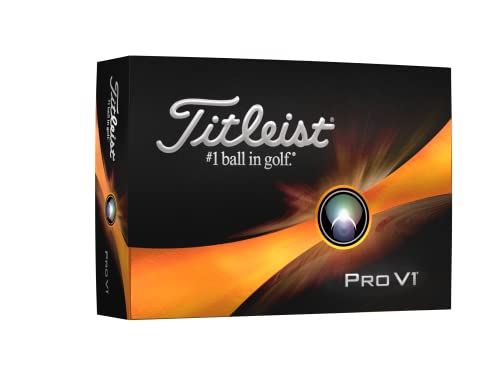
Titleist, a venerable name in the golf world, offers the Pro V1 and Pro V1x. These balls are engineered to provide exceptional distance and consistency, regardless of swing speed. What’s more, their urethane cover delivers that soft feel you’re after, coupled with the durability you need. The catch is the Pro V1 series is on the higher end of the price scale. But if you’re vying for quality, it’s a worthy investment.
Callaway steps up with their Chrome Soft line. Their Dual SoftFast Core helps optimize compression for golfers who don’t quite hit pro speeds, ensuring you get the most out of each drive. Additionally, the Chrome Soft’s Hex Aerodynamics help reduce drag and enhance lift for long, stable flights that you’ll appreciate.
TaylorMade has put forth the TP5 and TP5x, claiming the mantle of performance through a 5-layer construction. It’s touted to give you greater control in the wind and on greens, which as a low handicapper, you know is essential to shaving off those extra strokes.


Srixon provides the Q-Star Tour as a solution for those seeking tour performance with moderate swing speed. This ball boasts a low-compression core and enhanced aerodynamics, and it’s priced a bit more thoughtfully for the weekend warrior.
When analyzing what’s in your bag, remember to pay attention to:
- Compression: Opt for medium compression to match your swing speed.
- Cover Material: Urethane covers offer a good blend of feel and durability.
- Price: Weigh the benefits of premium balls against your budget.
Test out different brands and models to see how they influence your game. Every golfer’s swing is unique, and the perfect ball for you is one that complements your individual style and speed. With the right choice, you’ll notice the difference in your play, which in turn could lead to lower scores. And isn’t that what we’re all after on the course?
Best Golf Balls for Distance with Average Swing Speed
When you’re aiming to cover those extra yards, selecting a golf ball that’s engineered for distance can make all the difference. Playing with a ball that matches your average swing speed helps maximize your driving distance without sacrificing control around the greens.
Bridgestone’s e6 is a standout choice for players who don’t have tour-level swing speeds but still yearn for that satisfying long shot. It’s designed with a low compression core that’s forgiving for your moderate swing speed and an aerodynamic cover that reduces drag, letting the ball fly further with the same input power.
Another great option is the Callaway SuperSoft. As the name suggests, this ball offers a super soft feel, but don’t let that fool you. Its ultra-low compression core assists in reducing spin for longer, straighter flights. Though it’s particularly friendly for those with a gentler touch, it doesn’t neglect the need for control when it comes to short game precision.
If you’re on a hunt for technological sophistication, the Wilson Staff DUO Soft+ boasts the lowest compression of any 3-piece ball. The result is a blend of soft feel with exceptional distance, perfect for players hovering around the average swing speed who are looking to optimize their game.
Here’s a quick snapshot of how these golf balls stack up:
| Golf Ball Model | Compression | Core | Cover Material |
|---|---|---|---|
| Bridgestone e6 | Low | Delta Dimple design | Surlyn |
| Callaway SuperSoft | Ultra-Low | SoftFast Core | Trionomer Blend |
| Wilson Staff DUO Soft+ | Very Low | VelocitiCOR | Ionomer |
Keep in mind, feel is subjective, and your individual preference is crucial. Test these options out on the course to see which one meshes best with your personal play style and provides that gratifying increase in distance you’re striving for. Additionally, factors like wind conditions and course layout will influence the overall performance of each ball, so consider these elements when making your choice.
Best Golf Balls for Control with Average Swing Speed
When your swing speed falls into the average range, typically between 85 and 95 miles per hour, you’ll want a golf ball that not only travels the distance but offers exceptional control. After all, what’s distance without accuracy? It’s the precise approach shots and the confident putts that shave strokes off your round.
The Titleist DT TruSoft delivers an impressive balance between distance and control. It boasts a low compression rating, which means that while it’s soft enough to respond to your slower swing speed, it also gives you the feedback needed for precision shots. The TruSoft’s core is designed for minimal spin on long drives while maintaining enough on short games for that check-up you’re after when attacking the greens.
On the other hand, the Srixon Soft Feel has been a hidden gem for many average swingers. Its fast layer core is engineered to activate more performance the harder it’s hit, which works out great for your mid-range swing speed. With a 60 compression rating, the Soft Feel lives up to its name, giving you a tactile sensation and a stable flight, which is crucial for nailing those iron shots.
Here’s a quick comparison table:
| Golf Ball | Compression | Core | Cover Material |
|---|---|---|---|
| Titleist DT TruSoft | Low | TruTouch Core | TruFlex Cover |
| Srixon Soft Feel | 60 | Fast Layer Core | Soft Ionomer |
Keep in mind that control isn’t just influenced by the ball’s design. Your skill level, swing technique, and environmental elements also play significant roles. It’s why you’ll benefit from trying different types and brands. Your game has its unique characteristics and finding a ball that complements them can make all the difference.
While aforementioned balls are great starting points, you shouldn’t overlook the Mizuno RB 566V. It stands out with its 566 micro-dimple design aimed at reducing drag and enhancing stability. The large, soft compression core works well with your swing, allowing for a gentle touch on the greens but enough resilience on the fairway to get you where you need to go.
Conclusion
Frequently Asked Questions
What are the best golf balls for players with average swing speeds?
For players with average swing speeds, the Titleist DT TruSoft, Srixon Soft Feel, and Mizuno RB 566V are excellent options. These balls are designed to provide control and a good balance between distance and feel.
Why is control important in choosing a golf ball for average swing speeds?
Control is crucial for players with average swing speeds to achieve more accuracy on the golf course. A ball that offers exceptional control helps in managing the trajectory and spin, leading to better overall performance.
What is special about the Titleist DT TruSoft golf ball?
The Titleist DT TruSoft is known for its low compression and soft feel, making it a standout choice for control. It also has a soft cover material that aids in achieving a smoother feel upon impact.
How does the Srixon Soft Feel benefit average swing speed players?
The Srixon Soft Feel golf ball benefits average swing speed players by offering a balance of softness and resilience. This combination allows for enhanced control without losing out on distance coverage.
What unique feature does the Mizuno RB 566V have?
The Mizuno RB 566V features a distinctive 566 dimple pattern designed to reduce drag and improve aerodynamic stability. This unique design helps in maintaining flight consistency and control for players with average swing speeds.
Is it important to test out different golf ball brands and types?
Yes, it is very important to test out different brands and types of golf balls to find the best match for your specific play style and preferences. Individual performance can vary, so personal testing is key.