Ever find yourself on the green, wishing you had just a bit more control over your golf ball? You’re not alone. The quest for the perfect shot starts with the right equipment, and the golf ball you choose plays a pivotal role.

What is ball control in golf?
When it comes to your performance on the golf course, ball control is the linchpin of your game. It’s all about how accurately and consistently you can hit the golf ball to land it where you want. Think of it as the fine art of manipulating the ball’s flight path, spin, distance, and ultimately its stopping point on the greens.
Key Components of Ball Control
To really master ball control, you’ve got to hone several aspects:
- Spin: This determines how the ball behaves upon landing. Whether it’s a backspin that pulls the ball back toward you or a sidespin that guides it around obstacles, controlling spin is crucial.
- Trajectory: The height of your shot can make or break your play. You need a lower trajectory for windy conditions and a higher one when you want to stop the ball quickly on the green.
- Distance Control: It’s not just about hitting far; it’s about hitting it just right. Judging how much power to put into your swing is a subtle skill that can greatly affect your shot’s outcome.
By selecting a golf ball designed for better control, you essentially gain an extra edge in these areas. A ball with the right construction, compression, and cover material can significantly influence your ability to execute shots with precision.
Choosing the Right Ball for Control
You’ll want to look for several key features in a golf ball to enhance control:
- Soft feel: Usually associated with softer cover materials like urethane.
- Low compression: Helps in creating more spin and control, especially beneficial for players with slower swing speeds.
- Multi-layer construction: Provides a balance between distance and spin control.
Don’t forget, what works for one golfer might not work for another. It’s about finding the golf ball that responds to your unique swing and helps you place the ball exactly where you need it. Track your performance with different balls and take note of how each one affects your shots. Only through practice and observation will you find the golf ball that becomes your trusty counterpart on the course.
Factors to consider when choosing a golf ball for control
When zeroing in on the ultimate golf ball that will complement your low-handicap game, there are a few pivotal aspects you’ll want to bear in mind. Your precision on the greens and command over the ball’s behavior are highly contingent on these factors.
Spin Rate is paramount in the world of golf control. Lower spin rates are generally desirable for drives to ensure the ball stays on a straight trajectory; conversely, a higher spin is beneficial when you’re aiming for greenside control. Take a moment to reflect on your style of play and opt for a golf ball that’s tailored to your specific spin requirements.
The Construction of the Ball plays a crucial role too. Multi-layered balls typically afford better control, with the mantle layer contributing to spin regulation. Modern low-handicap players like yourself often favor Urethane covers over Surlyn for their superior grip on the clubface, especially in short-game scenarios.


« What Golf Ball for Swing Speed: Unlock Your Perfect Match on the Green
How Do Golf Balls Get Waterlogged? Uncover the Surprising Truth »
Compression should be on your radar. A low-compression ball can enhance your control as it aids in achieving a softer feel upon impact, allowing for a more precise touch – vital for a delicate shot-making.
- Consider how the ball feels when putting and chipping
- Reflect on how it behaves with full swings and touch shots
- Eye the overall responsiveness of the ball to different clubs
While the choice is rooted deeply in personal preference, observing the following will set you on the right track:
- Feel
- Durability
- Price Point
Though tempting to choose a ball used by tour pros, remember that it’s your unique game that dictates the perfect match. Focus on balls that respond well to your touch and techniques. After all, at your level of play, it’s those nuanced adjustments and the ability to maintain control under various course conditions that shave strokes off your rounds. So, when you’re out there experimenting with different brands and models, pay attention to these minute yet significant details. They’ll make all the difference.
Top golf balls for control in 2021
When you’re trying to hone in your shots and reduce your handicap, choosing a golf ball that’s synonymous with control is imperative. The year 2021 saw a number of standout golf balls designed specifically to enhance control on the greens.
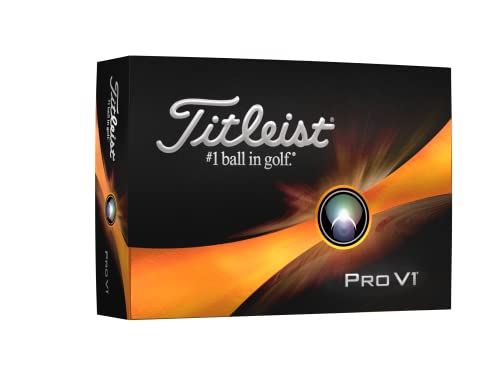
You might have caught wind of the Titleist Pro V1. It’s no secret this ball is a favorite among tour players and low handicappers alike due to its exceptional spin control and consistent flight. The Pro V1’s patented urethane elastomer cover ensures durability and a soft touch around the greens, something you’ll appreciate when you’re gunning for that birdie.
Another ball that probably landed in your radar is the Bridgestone Tour B X. This ball was engineered with feedback from pros like you who value control above all else. Bridgestone’s proprietary Reactiv cover technology gives you the stopping power and finesse required for precise approach shots. With a firmer feel, it’s geared towards golfers who have a faster swing speed and demand a responsive ball.
If you’re someone who’s always after the latest technology, the Callaway Chrome Soft X might have piqued your interest. Callaway’s Graphene-infused Dual SoftFast Core promotes high launch and low spin off your long irons, while still giving you the short game control you expect. The Chrome Soft X is a worthy consideration if you’re looking to play a ball that can deliver distance without sacrificing touch and feel.
Lastly, don’t overlook the TaylorMade TP5x. It’s renowned for its 5-layer construction that doesn’t compromise on spin, giving you more control in wind. Moreover, the TP5x features a larger and more reactive core which translates to unmatched speed and distance which can be especially useful on those long par 5s.
| Golf Ball | Key Feature | Ideal for |
|---|---|---|
| Titleist Pro V1 | Urethane elastomer cover | Consistent flight and spin control |
| Bridgestone Tour B X | Reactiv cover technology | High swing speed players |
| Callaway Chrome Soft X | Graphene-infused Dual SoftFast Core | High launch and low spin |
| TaylorMade TP5x | 5-layer construction | Control in wind |
The importance of spin and compression for ball control
When you’re out on the green, the command you have over your golf ball can make or break your game. To understand this control, you’ve got to dig into the nitty-gritty of two critical factors: spin and compression.
Spin is all about the rotation of the ball around its axis as it soars through the air. This is crucial for ball control, especially when you’re approaching the green. A higher spin rate means more stopping power on the green, giving you the precision to hit it close to the pin. On the flip side, too much spin on your drives can be the enemy, leading to less distance and a higher likelihood of errant shots.


Let’s talk about compression. It refers to the degree to which a golf ball deforms upon impact with your club. Lower compression balls tend to be more forgiving and can help with distance on your shots if your swing speed isn’t quite up there with the pros. For you, as a low handicapper, it’s all about finding a ball that matches your swing speed and provides the optimal compression for control. You want a ball that won’t compress too easily, allowing for greater precision when shaping your shots.
Both spin and compression can vary greatly between ball models, so it’s worth spending time testing different balls to see what works with your style of play. Here’s a brief list of what to keep in eye on while testing:
- How the ball reacts on pitches and chips
- The distance control with full irons swings
- The feel off the putter face
Understanding the interplay of spin and compression will help you select a ball that not only complements your game but also gives you that extra edge when it comes to ball control on the course. Whether you’re trying to back it up on a firm green or hold a line against a stiff breeze, the right golf ball can be your ally in conquering the course.
Tips for improving ball control on the course
When you’re out on the links, your ability to control the golf ball can be as critical as your golf swing itself. Mastering ball control requires a thoughtful blend of skill, practice, and the right equipment. Below, you’ll find tips that could help improve your control and alleviate some of the common challenges you face on the course.
Choose the Right Equipment
Before you even step onto the course, ensure your gear is up to snuff. Club fitting is an often-overlooked aspect of the game. Playing with clubs tailored to your swing can make a significant difference in how you handle the ball, especially around the greens.
- Get professionally fitted for clubs
- Use wedges with the right bounce for the turf conditions
- Play with a high-spin golf ball for better stopping power on greens
Focus on Your Swing Mechanics
To improve ball control, focus on swing mechanics that promote clean, crisp contact. Your aim should be consistency.
- Keep your hands ahead of the ball at impact to ensure solid contact
- Practice a smooth tempo to mitigate excessive spin
- Work on varying your grip pressure for different types of shots
Short Game Precision
The short game constitutes a considerable part of scoring in golf. It’s where control can significantly lower your scores.
- Spend extra practice time on chipping and pitching
- Learn to read the green’s grain and slope
- Experiment with different shot types: flops, pitches, chips, and runs
Understand the Conditions
Course conditions can dramatically affect ball control. Factors like wind, humidity, and course firmness should influence your play.
- Adapt your game to the current weather conditions
- Take notice of how the ball reacts on different courses
- Modify your shot selection based on the firmness of the greens
Practice Makes Perfect
Finally, as cliché as it may sound, there is no substitution for practice. The more you play and practice, the better you’ll understand how to control the ball in various scenarios.
- Dedicate time for practice on the driving range and practice green
- Work with a coach or use video analysis to assess your swing
- Consistently put yourself in challenging situations to improve adaptability
Conclusion
Frequently Asked Questions
Why is ball control important in golf?
Ball control is crucial in golf because it allows players to place their shots accurately, navigate challenging course layouts, and ultimately shoot lower scores.
How can the right equipment improve ball control?
Properly fitted clubs and selecting wedges with appropriate bounce can significantly improve ball strike quality and consistency, which are key to controlling the ball.
What aspects of swing mechanics are vital for ball control?
Focus on developing a stable stance, a consistent swing path, and precise timing. These elements contribute to cleaner contact and more reliable shot outcomes.
Why is practicing the short game important for ball control?
Practicing the short game hones skills like chipping and putting, which are essential for scoring well and maneuvering the ball in varied situations on the greens.
How does understanding course conditions affect ball control?
Knowledge of course conditions, such as turf firmness and wind, allows players to adjust their shots for better control and take advantage of the course to improve performance.
What is the role of practice in improving ball control?
Practice is vital as it enables golfers to reinforce good mechanics, familiarize themselves with their equipment, and develop the finesse needed for precise ball control.