Finding the right golf ball for your game can be a game-changer, especially when you’re dealing with a medium swing speed. It’s all about the perfect balance between distance and control, and the right ball can help you achieve just that.

You’re probably wondering which golf balls are best suited for your swing speed, aren’t you? Well, don’t you worry! We’ve teed up some top picks that’ll help you hit the sweet spot every time.
Factors to consider when choosing a golf ball
When you’re looking to improve your game with a golf ball suited for medium swing speeds, understand that not all golf balls are created equal. It’s not just about picking a brand you recognize; it’s about finding a ball that complements your unique swing and style of play.
Compression is a key factor you’ve got to pay attention to. Medium compression golf balls are optimal for players like you with swing speeds in that sweet spot—typically between 85 and 105 mph. These balls offer a good mix of distance and feel, allowing for better control without sacrificing too much speed off the tee.
Next up, think about the construction of the golf ball. Multi-layer golf balls are notorious for providing an excellent balance between distance and spin control. These are generally classified into two main types:
- Three-piece golf balls, which give you more spin separation and can help in achieving better control on your approach shots.
- Four-piece golf balls, offering even more layers that serve specific purposes, like extra distance or spin control.
Choosing between these will boil down to which aspect of your game you prioritize—distance or control.
Dimple pattern might not be the first thing you think about, but it can affect the ball’s aerodynamics. A smoother flight and consistency in windy conditions can come down to the dimple design. You’ll want to choose a ball with dimples that are designed to suit your game and local course conditions.
Lastly, consider the feel of the golf ball. This largely personal preference affects your confidence and comfort on the course. Some golfers prefer a softer feel for better control around the greens, while others opt for a firmer feel for increased feedback and distance.
Before making a choice, reflect on these factors and how they align with your skill level and golfing goals. Test out different balls in various playing conditions and see what works best. After all, the right golf ball can significantly impact your performance and enjoyment of the game.


Understanding your swing speed
« What Golf Ball Is The Best for Distance? Uncover Top Picks for Longer Shots
How Many Golf Balls Fit in a School Bus? The Surprising Experiment Revealed »
Getting to grips with your swing speed is crucial when tailoring your golf game to your exact requirements. Swing speed measures how fast your golf club head moves through the air during a swing. It’s imperative that you know your swing speed, as it significantly impacts the type of golf ball you’ll thrive with on the course.
Typically, swing speeds can be categorized into three brackets: slow (less than 85 mph), medium (85 to 105 mph), and fast (greater than 105 mph). If you’re not sure where you fall, there’s an easy fix. Golf simulators or launch monitors at your local golf shop or club can help you capture accurate measurements. Alternatively, some swing speed radar devices can be purchased for personal use.
If you discover your swing speed sits comfortably in the medium range, you’re in good company. Many golfers fall within this bracket, and it gives you a plethora of golf ball options suited to your game.
Don’t be tempted to jump into conclusions about the best golf ball solely based on swing speed. It’s only one piece of the puzzle. Remember, elements like compression, construction, and dimple pattern all work in tandem with your swing speed to impact your game.
Besides gadgets and technology, paying attention to the flight of your ball can also give you clues about your swing speed. Balls that have a high and long flight typically are a good match for those with medium swing speed, as they suggest you’re compressing the ball just the right amount.
Take note of how your golf balls react when you’re playing. You’re looking to achieve an optimal balance where the ball responds well to your swing, offering a blend of distance, control, and feel. Once you start noticing these patterns, you’ll be well on your way to selecting a golf ball that’s a real game-changer.
Golf ball compression and its impact on medium swing speed
When you’re out on the course, understanding golf ball compression is crucial, especially with a medium swing speed. Golf ball compression refers to how much the ball deforms upon impact. This might sound technical, but it’s pretty straightforward when you break it down.
Think of compression in terms of the ‘feel’ off the clubface. A lower compression ball, typically rated 80 to 90, will compress more, feeling softer, and can be a boon if your swing speed’s on the moderate side—think 85 to 95 mph. On the other hand, high compression balls, which have ratings of 100 and above, suit those with faster swing speeds that can really compress the ball at impact for maximum energy transfer.
Here’s what you need to know about medium swing speeds and ball compression:
- Balls with medium compression (around 90 to 100) are designed for your swing speed range.
- They offer a balance, giving you enough compression for energy transfer without sacrificing control.
- Medium compression balls will give you a mix of distance and a comfortable feel.
Optimal Performance with Medium Compression Balls
With a medium swing speed, you’ll want a ball that springs off the clubface with vitality but still gives you the control you need for iron shots and around the green. Medium compression golf balls can deliver this blend.


For your swing speed, consider how the ball reacts during different shots—drivers, long irons, and wedges. The right compression will not only offer a satisfying feel but will also impact the ball’s trajectory and spin rates.
Testing for Your Ideal Compression
The key is to test different balls on the course. When you strike a medium compression ball properly, it should feel like it explodes off the clubface—a sign you’ve matched the ball to your swing speed effectively. Pay attention to how the ball performs in various conditions—windy days, wet turf, and from different lies. Your observation will lead you to a ball that complements your game, offering you a harmonious combination of distance, control, and feel without the need to swing out of your shoes.
Top characteristics to look for in a golf ball for medium swing speed
When you’re on the hunt for the ideal golf ball to complement your medium swing speed, certain characteristics shouldn’t be overlooked. Knowing what to prioritize can make the difference between an average round and your best performance.
Ball Construction is paramount. Multi-layer balls with a soft cover tend to be a go-to choice. The core is designed to maximize energy from your swing, while the softer cover adds control and feel for shots around the green. Two or three-piece construction is often ideal, blending distance and feel effectively.
Another vital trait to consider is the Compression Rating. You’ll want a ball with a compression rating that matches your swing speed. As discussed, a rating of 90 to 100 provides that sweet spot, offering the necessary give upon impact and efficient energy transfer for golfers with moderate swing speed.
Don’t overlook Spin Characteristics. A medium compression ball should offer a moderate spin for tee shots, helping you achieve straighter flight and preventing excessive sidespin that could lead to slices or hooks. Yet for short game precision, selecting a ball with higher spin around the greens lets you exercise more control with your wedges.
Consider the Feel of the Ball. It’s crucial to play with a ball that feels right. The sensation off the clubface communicates a lot about your strike, influencing confidence and touch, particularly in the short game.
Finally, Durability matters. It’s not just about performance – you don’t want to change balls too often due to wear and tear. Look for balls with strong covers that resist scuffs and cuts.
Remember, your individual preference plays a huge role. While technical specifications are guiding points, the best way to find your match is to play with different balls on the course. Gauge how they respond to your swing and how they feel in various situations – from driving to putting. Keep tabs on your performance; the right ball for your medium swing speed will likely check most of these boxes, ensuring a balanced game that caters to your style and skills.
Best golf balls for medium swing speed
If you’re rocking a medium swing speed, you’ve got to match your game with a golf ball that’s up to the challenge. After all, the right ball can shave strokes off your scorecard like a pro trimming the hedges. So let’s dive into some top contenders that could help you make the most of your swinging style.
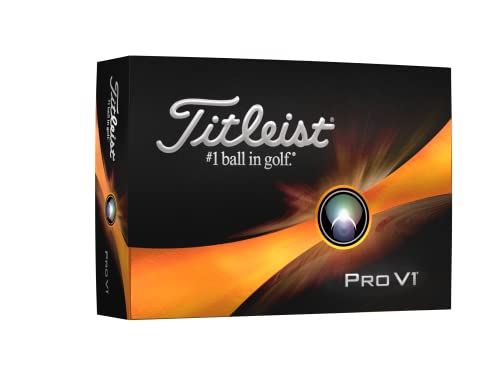
The Titleist Pro V1 is a top-tier choice that’s hard to overlook. It’s designed to provide exceptional distance and a consistent flight, even if your swing isn’t breaking any speed records.
- Its low compression core aids in achieving better control
- The Urethane Elastomer™ cover ensures durability
- Offers a penetrating trajectory with a softer feel on impact
Next up, the Callaway Chrome Soft stands out for its innovative Dual SoftFast Core, which is a mouthful to say but pure magic for medium swing speeds. This ball boasts features tailored to improve your game:
- Reduces spin off the driver for straighter shots
- Increases spin under a wedge for greenside control
- Delivers a soft feel through the bag, which is like a hug for your golf game
Don’t overlook the Srixon Q-Star Tour, especially if you’re after a ball that offers all-around performance without breaking the bank. It’s a value option that still packs a punch:
- FastLayer Core combines soft feel with firm speed
- Spin Skin with SeRM technology enhances control on approach shots
- The 338 Speed Dimple pattern reduces drag, giving you a steadier flight
Lastly, for those seeking a mix of distance and precision, the Wilson Staff Model could be your secret weapon. With its four-layer construction, it strikes a balance that could make it the unsung hero of your golf bag.
- A soft urethane cover provides a responsive feel
- The inner mantle layers work to deliver speed and accuracy
- Designed to perform well in windy conditions
Remember, there’s no one-size-fits-all solution. It might take some trial and error, but once you find ‘the one,’ it’ll feel like the golf gods are smiling down on you. Keep these options in mind as you seek to optimize your game for medium swing speeds.
Conclusion
Frequently Asked Questions
What are the best golf balls for medium swing speed?
The Titleist Pro V1 is ideal for exceptional distance and consistent flight, while the Callaway Chrome Soft reduces spin and offers a soft feel. The Srixon Q-Star Tour is a good value option for all-around performance, and the Wilson Staff Model for a balance of distance and precision.
Can the Callaway Chrome Soft improve my game?
Yes, the Callaway Chrome Soft is designed to reduce spin off the driver and gives a softer feel, which can help improve your game.
Is the Srixon Q-Star Tour a good choice for golfers on a budget?
Absolutely, the Srixon Q-Star Tour is an excellent value option that doesn’t compromise on overall performance for golfers with a medium swing speed.
Does the Wilson Staff Model provide good precision?
Yes, the Wilson Staff Model golf ball offers a great combination of distance and precision, making it a solid choice for golfers looking to enhance their accuracy.
Is there a perfect golf ball for every player?
No, the perfect golf ball varies depending on the player’s individual style and swing speed. It’s important to consider various options like the Titleist Pro V1, Callaway Chrome Soft, Srixon Q-Star Tour, and Wilson Staff Model to find the best fit for your game.