Ever find yourself on the fairway, wondering why your golf ball seems to have a mind of its own? You’re not alone. The quest for a straighter flight path is a common one, and it often starts with the ball you choose. In this article, you’ll discover the best golf balls designed to reduce hooks and slices, helping your game stay on course.

Choosing the right ball can be a game-changer. You’ll learn about the latest technology and design features that can help you hit straighter shots more consistently. Whether you’re a beginner or an experienced golfer, there’s a ball out there that’s perfect for your swing.
Importance of a Straight Flight Path
When you’re aiming for that perfect shot, the last thing you want is to see your golf ball veering off into the trees or sand traps. That’s why a straight flight path is crucial. It isn’t just about looking good on the course; it’s about control. Keeping your ball on a straight trajectory reduces the number of strokes you need to reach the hole, shaving points off your score and potentially lowering your handicap.
Understanding the physics behind ball flight is an aspect often overlooked, but it’s vital. When your ball flies straight, it means the spin, speed, and angle are all working in harmony. This synergy is the key to consistency in your game. The wrong spin can turn an otherwise perfect shot into a frustrating hook or slice.
Not only does a straight shot save you from trouble, but it also gives you a strategic advantage. You can position yourself better for the next shot and avoid hazards that might increase your stroke count. Let’s face it, every stroke counts, and when you’re playing competitive golf or even just for leisure, having control over your ball’s flight path is a significant edge.
Straight flight doesn’t come solely from technique, although that’s a large part of it. Your equipment, especially your golf ball, plays an undeniable role. Today’s golf balls are designed with materials and features specifically engineered to promote a straighter flight. These high-tech balls can compensate to some extent for swing imperfections, meaning you get a bit of forgiveness when your swing isn’t quite up to par.
Remember, selecting a golf ball isn’t about choosing the most expensive or the brand your favorite pro uses. It’s about finding the one that complements your personal play style and assists in maintaining that straight flight path. Whether you’re a low or high handicapper, there’s a ball out there made to enhance your specific game. You know your swing best; choose a ball that’ll make it shine.
Factors that Affect Ball Flight
Understanding what influences the ball’s path through the air will help you select the best golf ball for a straight flight. It’s not just about the ball’s design; several factors come into play every time you take a swing.
Golf Ball Construction
The construction of a golf ball is a pivotal element. Multi-layered balls are crafted to perform differently depending on the force of your swing. For instance, a ball with a softer outer layer will deform more upon impact, which can reduce spin and lead to a straighter flight. On the other hand, balls with firmer covers can increase spin, potentially promoting more curvature in your flight path.


Spin Rate
« Best Golf Ball for Spin Around the Green: Unlock Your Short Game Magic
Best Golf Ball Line Marker: Top Picks for Precision & Ease »
The spin rate has a massive impact on your ball’s trajectory. Higher spin rates can exaggerate mistakes, causing slices or hooks. Conversely, a lower spin rate can help stabilize the ball’s flight, keeping it straighter. This is why finding a ball that complements your swing speed and provides an optimal spin rate is crucial.
Launch Angle
Your ball’s launch angle is largely a product of your swing and the club you’re using, but it’s also influenced by the golf ball. Teeing off with a ball designed to optimize launch angle can ensure that it’s not too high or low, which can both affect the straightness of its flight.
Swing Speed
Your unique swing speed plays a significant role as well. Balls react differently based on how hard they’re hit. If you have a fast swing speed, you’ll need a ball that can maintain its shape under that stress to fly straight.
External Conditions
Lastly, you can’t ignore external conditions such as wind, humidity, and temperature. Wind can obviously push the ball off course, while humidity and temperature can affect the ball’s performance in subtle, yet significant ways.
When you’re next in the market for new golf balls, remember to test a few that are known for their straight-flight characteristics, keeping in mind how these different factors may affect their performance in your hands. You’re looking for that perfect synergy between your play style and your equipment to help you maintain that coveted straight flight path.
Understanding Hook and Slice
In your quest for the perfect straight flight, you’ve undoubtedly come across the terms ‘hook’ and ‘slice’. Hooks are shots that curve sharply to the left for a right-handed golfer—and vice versa for lefties. Slices, on the other hand, cut to the right for right-handers. They can be a real thorn in your side, turning what felt like a good shot into a trip off-course.
It’s crucial to pinpoint what’s causing these unwanted curves. With hooks, the issue often lies in your grip being too strong, club face closing too quickly, or swinging inside-out excessively. Slices typically stem from the opposite—an open club face at impact, a grip that’s too weak, or an outside-in swing path that puts spin on the ball.
Here’s a breakdown of the two:
- Hooks:
- Strong grip
- Closed club face at impact
- Inside-out swing path
- Slices:
- Weak grip
- Open club face at impact
- Outside-in swing path
Achieving a balance in your swing is key. And while adjusting your technique is paramount, the right golf ball can be a trusty ally. Shall we say, an accomplice in your scheme to tame that wild curve? Indeed, some balls are specifically engineered to counteract the excessive side spin that causes hooks and slices.
To tackle hooks, seek out balls with lower side spin characteristics—they’ll help keep your shots more on target. If you’re wrestling with slices, a ball with a softer feel might assist in managing the impact and reducing side spin. Despite the availability of these specialized golf balls, it’s worth noting that they’re no substitute for correcting the swing flaws themselves, which demand your attention on the range.


So keep this in mind as you fine-tune your swing and choose your ammunition—because, ultimately, the dance of the ball in the air is all about harmony between your movements and your gear.
Golf Ball Technology for Straight Flight
When you’re hunting for that perfect golf ball promising a straighter flight path, you’ve got to get techy. Nowadays, manufacturers are employing advanced technology to help you minimize those pesky hooks and slices.
Multi-layer Construction is at the forefront of these technological advancements. Many of the best balls for straight flight utilize this, with a soft inner core that’s wrapped by firmer outer layers. This design targets reduced spin off the tee, playing a crucial role in keeping your ball on the straight and narrow.
Then there’s the Cover Material. Balls crafted with a urethane cover typically offer a great blend of control and reduced spin compared to the surlyn-covered counterparts. The dimple pattern is another piece of the puzzle that affects aerodynamics. Manufacturers have gotten this down to a science, creating patterns that can aid in stabilizing the ball’s flight.
- Low Spin Design: Helps maintain a straight trajectory by reducing sidespin.
- Gradational Core: Adjusts softness towards the center, enhancing distance while maintaining flight stability.
- Aerodynamic Dimple Patterns: Engineered to promote a consistent flight path through various wind conditions.
The progression in golf ball technology isn’t just about reducing spin. It’s about complementing your skill as a low handicapper. You know that carrying the right ball can make a difference, especially when you’re trying to shave off those few extra strokes.
Have you ever noticed how your shot’s flight can vary with different brands? It’s not just in your head. The combination of core composition, layering, and cover material all contribute to how the ball behaves. Companies are even testing different types of paints and surface coatings to further minimize drag and optimize flight.
Remember, while technology can enhance your game, it won’t fix every flaw. Keep working on that swing, and let the right ball be the support you need for a straighter shot down the fairway. The synergy between every little tech aspect of your golf ball can make all the difference – it’s about finding what works best for your style of play.
Best Golf Balls for Straight Flight
When you’re aiming to finesse your game, it’s crucial to pick a ball that complements your low-handicap skills. You already know that reducing side spin is the key to a straighter shot, but which balls can truly deliver that piercing ball flight?
Let’s dive into some of the top performers on the market:
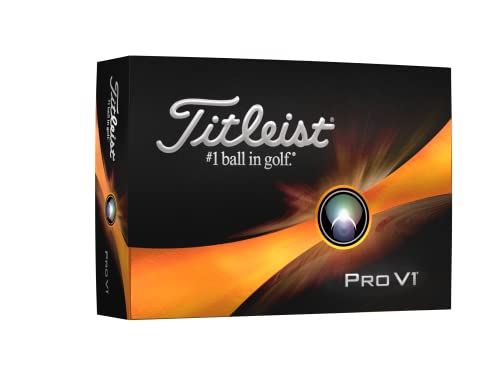
- Titleist Pro V1: The Pro V1 is a legend for a reason. It’s renowned for its overall performance, including a consistent flight pattern regardless of how hard you hit it.
- Callaway Chrome Soft: This ball specializes in reducing spin, thanks to its Dual SoftFast Core. It’s designed to help you achieve not just a straighter flight but also exceptional distance.
- Bridgestone Tour B XS: Engineered to offer low spin on your long game yet high spin around the greens, the Tour B XS is a solid choice for any golfer striving for control and accuracy.
- Srixon Z-Star: If you’re after a softer feel without compromising the straight flight, the Z-Star delivers with its Energetic Gradient Growth Core.
Focusing on these models, you can expect enhanced stability through the air, courtesy of well-engineered dimple patterns and superior core construction. What you won’t get is the wild variance in trajectory caused by less optimized golf balls. To make your selection process a tad easier, here’s a quick reference table with core characteristics:
| Golf Ball | Core Feature | Cover Material |
|---|---|---|
| Titleist Pro V1 | Consistent Flight Core | Urethane |
| Callaway Chrome Soft | Dual SoftFast Core | Urethane |
| Bridgestone Tour B XS | Gradational Core | Urethane |
| Srixon Z-Star | Energetic Gradient Growth Core | Urethane |
Beyond the specifications, your feel on the golf course matters significantly. It’s one thing to read about low spin and straight flight paths, and another to experience how the ball reacts to your unique swing. If possible, demo a sleeve of each before making your final call. Remember, even the most advanced golf ball technology is there to aid, not replace, your honed skills and your game’s finesse.
Conclusion
Frequently Asked Questions
What are the best golf balls for a straight flight path?
The Titleist Pro V1, Callaway Chrome Soft, Bridgestone Tour B XS, and Srixon Z-Star are among the best golf balls for a straight flight path, due to their reduced spin and enhanced stability.
How do dimple patterns affect a golf ball’s flight?
Dimple patterns on golf balls are engineered to manage airflow and reduce drag, which can help stabilize the ball’s flight and contribute to a straighter path.
Are more expensive golf balls better for achieving a straight flight path?
Not necessarily. While expensive golf balls like the Titleist Pro V1 offer advanced technology for stability, the best ball for a straight flight depends on individual feel and experience.
How does core construction influence golf ball performance?
Core construction affects the compression and energy transfer of a golf ball, influencing its launch, spin, and ultimately its ability to fly straight.
Should personal preference be considered when choosing a golf ball?
Yes, while advanced golf ball technology can aid performance, personal feel and experience playing the game are essential when selecting the right golf ball for you.