Choosing the right golf ball can be as crucial as selecting the perfect club. It’s not just about the brand or the price; it’s about finding the ball that complements your game. Whether you’re aiming for distance, control, or a soft feel around the greens, the right ball is out there waiting for you.

Importance of Choosing the Right Golf Ball
You know that feeling when you’re on the course and your swing is just right? That sweet spot hit that makes you feel unstoppable. It’s moments like these that remind you—every choice in your game matters, especially the golf ball you play with. You might’ve wondered if the ball really makes a difference. Well, it does, and significantly so!
Golf balls are engineered with different layers, core compositions, and dimple designs. Each element influences how it reacts off the clubface, through the air, and upon landing. Imagine you’re facing a tight fairway, and you need a shot that combines distance with control. That’s where a high-performance ball designed with a urethane cover might give you an edge. It’s designed for players like you, who need that extra control without sacrificing yards.
On the flip side, perhaps you’re eyeing a clear opportunity to land on the green but require a gentle approach. A golf ball with a softer feel is key for those finesse shots, allowing for precision and a responsive touch around the greens. It’s not merely about liking a brand or the latest trend; it’s about what the ball can do for your game.
Here’s a piece of advice: don’t overlook ball fitting. Yes, you heard that right—ball fitting. Just as you’d get clubs that suit your swing, the right ball fit can elevate your performance. It’s about marrying your skills with the golf ball’s characteristics. So while it might require some trial and error, finding the right fit could be a game-changer.
| Ball Type | Characteristics | Suitable for |
|---|---|---|
| Tour | Multi-layer, urethane cover | Low handicappers seeking control |
| Distance | Larger core, durable cover | Players looking for extra yards |
| Soft Feel | Low compression, soft cover | Precision and a soft touch |
Once you start paying attention to the type of ball you use, you’ll notice subtle yet profound changes in how you play. Your long drives could become longer, your precise shots more precise. Don’t just go with the flow; make an informed decision and watch as the right golf ball becomes an indispensable ally on the course.
Understanding Your Golf Game
Before committing to a particular type of golf ball, it’s pivotal to analyze your playing style. You want a ball that complements your strengths while offering support where your game might lack. As a low handicapper, precision and consistency are likely at the core of your rounds, but every golfer has room for improvement.
Begin by assessing your swing speed. If you’re someone with a faster swing, you’ll generate more spin and potentially benefit from a firmer, high-performance ball. On the other hand, a slower swing speed might mean a softer, low-compression ball will travel further for you. Recognizing your clubhead speed is a step that can’t be overlooked.
Next consider your skill with iron shots and your typical ball flight. Do you tend to hit high arching shots that land softly or do you favor a lower, more piercing trajectory? The answer will influence your choice. Players who nail towering iron shots might prefer a ball with a higher spin rate to maintain control. Meanwhile, if precision on the greens is your forte, a ball that enhances feel and responsiveness during putting should be on your radar.


« Cheap Golf Balls Walmart: Score Big Savings & Quality Tips
Is There a Golf Ball on the Moon? Unveiling Apollo 14’s Lunar Legacy »
Analyze your performance in different conditions as well. A ball that behaves well on a calm day may not be your ally in windy scenarios. Golf balls with specific dimple patterns are designed to maintain a stable flight, which could be invaluable for coastal courses or gusty afternoons.
Evaluate your short game thoroughly. Lower handicappers often thrive in this area, but there is always room to dial in your touch around the greens. If finesse shots are part of your arsenal, a softer cover might give you that extra edge. Remember, what feels right in your hands will often translate to confidence and performance on the course.
By taking these factors into account, you’ll be better equipped to select a golf ball that’s not just a good fit, but the perfect companion for your nuanced game. Keep these criteria in mind as you peruse your options and always be willing to experiment. After all, even small adjustments can lead to significant shifts in your performance.
Factors to Consider when Choosing a Golf Ball
When you’re ready to up your game, honing in on the right golf ball is crucial. The journey starts with assessing swing speed. If you’ve got a faster swing—think north of 105 miles per hour—a ball with a higher compression rating is your ally. These balls won’t deform as much upon impact, giving you the distance you crave.
But, let’s say control is your aim, particularly with iron shots. In that case, you want a ball that complements your precision. A multi-layer ball often provides the spin control needed to drop shots closer to the pin. They have a soft cover for better feel and a firmer inner core to carry the ball further.
Now look closely at your ball flight. Are your shots piercing through the wind with a low trajectory, or are they riding the breeze with a higher arc? Your ball selection can enhance your natural tendencies. Lower trajectory players might benefit from balls designed to climb quicker and stay in the air longer.
Adjusting to different conditions is part of the game. Some balls boast coatings that repel moisture and maintain performance in the wet. For arid, hard-course conditions, balls that generate more spin help create that stopping power on the greens.
Last but not least, there’s your short game. Here’s where things get personal. A soft golf ball is typically the go-to for finesse and a delicate touch around the greens. If you like to hear that satisfying “check-up” of the ball on a well-struck pitch, a softer, tour-level ball might just be your huckleberry.
Remember, there’s no one-size-fits-all solution to finding your perfect golf ball. It takes some reflection on your specific strengths and where your game needs that extra edge. You’ve got the knowledge and drive—now it’s about marrying that with the right ball to see those shots roll just the way you envisioned.
Best Golf Balls for Distance
When you’re keen on maximizing your driving distance, the construction of the golf ball is critical. You’ll want to opt for balls designed specifically to travel further, cutting through the air with less resistance. Many distance balls are two-piece designs, featuring a large solid core and a durable cover. The core is engineered to be highly resilient, launching off the tee with significant velocity.



The cover material on distance balls is typically harder than that of tour-quality balls. This doesn’t mean you’re sacrificing quality; a harder cover can actually decrease spin on your drives, leading to straighter, longer flights. Surlyn and other similar ionomer resins are commonly used for the covers and contribute to the reduced spin and increased durability. Here are some key points to consider for distance-focused golf balls:
- Aim for two-piece construction with a large core.
- A durable and hard cover material, such as Surlyn.
- Look for products labeled with terms like ‘distance’, ‘velocity’, or ‘speed’.
Brands like Titleist, Callaway, and TaylorMade offer specific models that promise those extra yards off the tee. When playing a course where you need to outdrive your buddies or the hazards demand it, having a stock of distance golf balls can give you that edge.
It’s important to remember that weather and wind conditions can influence your ball’s performance. On particularly windy days, choosing a ball with a higher dimple count can help maintain stability and trajectory. While the added distance is alluring, keep in mind how the ball you choose might affect other aspects of your game:
- Full-swing shots might yield less spin, harder to shape.
- The feel may be firmer, affecting your feedback on chip and putts.
Experimentation is fundamental in determining the best distance ball for your game. Buying a sleeve and playing a round can reveal a lot about how the ball contributes to your overall performance. Remember to balance distance with feel to ensure that you’re not sacrificing too much around the greens for those extra yards on the fairway.
Best Golf Balls for Control
When you’re working on fine-tuning your approach shots and looking for that edge on the greens, control is your primary focus. Golf balls that offer superior control are engineered to help you execute those critical short game shots with precision.
These high-control golf balls are typically made with multilayer construction. Unlike the distance balls that thrive on a firm cover, these utilize a softer urethane cover. The softer cover allows your clubs to grip the ball better, imparting more spin and providing you with the ability to shape your shots and stop the ball where you want it.
Spin and Feel
- High spin rates
- Soft feel on contact
- Superior stopping power on greens
Beyond cover softness, the best golf balls for control undergo rigorous design processes focusing on their inner layers and core. These cores tend to be formulated to react to slower swing speeds, common in short game play, enabling the ball to respond consistently to your nuanced strokes.
For you, a low handicapper, this aspect of your golf ball selection becomes a game-changer. Here’s why. When you’re aiming to hit it close, to secure that birdie or save par, the ability to predict how the ball will behave is vital. You’ll notice this most around the greens, where the extra spin can help in navigating breaks and slopes on the putting surface.
- Multilayer construction
- Soft urethane cover
- Consistent core composition
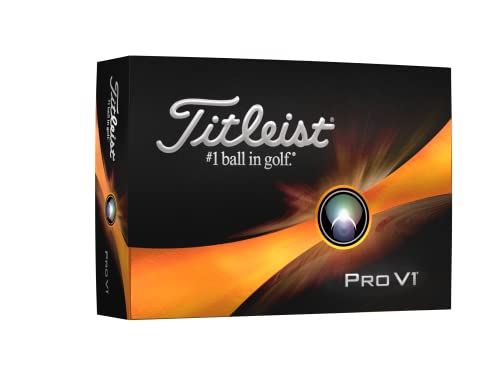
In terms of brands to look for, many top players gravitate towards models like the Titleist Pro V1 or the TaylorMade TP5. These balls are heralded for their balance of distance and control, giving you the soft-touch needed without losing too much off the tee.
Remember to assess the typical conditions you play in as well. A ball that excels in control on a dry day might behave differently in the wet. Don’t hesitate to play a few rounds with different balls to see how they perform across various weather and course conditions. Experimentation isn’t just for finding a distance ball; it’s critical in zeroing in on the best golf balls for control that match your playing style.
Best Golf Balls for Feel around the Greens
When your game takes you to the dance floor, the subtleties of touch and sensation are paramount. You’ll want a ball that whispers back as you tease out those delicate chips and puts – a ball that feels like an extension of your own sense of touch. Feel around the greens is a crucial aspect that can shave strokes off your score.
Opting for golf balls with a soft feel is usually the way to go. These types tend to have a lower compression, meaning they compress more upon impact, lending that buttery sensation that better players like you cherish. You’re looking for a ball that drops and stops with finesse, not one that bounces and bounds far from its intended destination. Srixon Z-Star and Callaway Chrome Soft are prime examples of balls that combine a soft feel with the control you need to get up and down.
- Srixon Z-Star gives excellent greenside spin and a penetrating flight.
- Callaway Chrome Soft is designed for Tour-level performance with an incredibly soft feel.
But the game is about more than softness; it’s about feedback. There’s little use in a soft ball if it doesn’t communicate the quality of your strike. In your pursuit for perfection around the greens, you may find that the Titleist AVX offers the marriage between softness and feedback that you desire. Its cast urethane cover is durable yet offers a gentle touch so you can gauge your shots more accurately.
Consider the construction too. Multi-layer balls offer a compromise between distance and feel. The additional layers work to provide responsiveness which translates to a better understanding of how much effort you need to apply to each stroke.
- Multiple layers yield a multi-purpose ball that can handle both your power drives and your soft-handed approach shots.
Feel is also determined by the quality of the outer cover, often urethane, which can produce more spin on those shots where precision is key. Tailor your selection to the tailor the approach toward each specific aspect of your short game. It’s wise to practice with a few different types to see which ones respond to your touch the way you need them to. The right ball won’t just feel good; it’ll make your short game truly shine.
Testing and Selecting the Right Golf Ball
Frequently Asked Questions
What factors should be considered when choosing a golf ball for the greens?
When choosing a golf ball for the greens, consider its feel and compression. Golf balls with a soft feel and lower compression offer better control on the green, allowing for a gentler touch on chips and putts.
What type of golf ball is recommended for a better feel around the greens?
Golf balls with a soft feel and lower compression are recommended for a better feel around the greens. These balls provide a buttery sensation and improve control over delicate short-game shots.
Can you name some brands that offer golf balls with a good feel for the short game?
Brands that offer golf balls with a good feel for the short game include Srixon Z-Star, Callaway Chrome Soft, and Titleist AVX. These brands are known for their soft feel and responsiveness on and around the greens.
Why is the outer cover of a golf ball important for feel and spin?
The outer cover of a golf ball, often made of urethane, is crucial for providing a soft feel, responsiveness, and enhanced spin. A high-quality outer cover contributes to better performance in the short game.
How should a golfer choose the best golf ball for their short game?
Golfers should practice with various types of golf balls to determine the best fit for their touch and short game style. Personal experience combined with knowledge of golf ball construction will guide them in selecting the right ball for their needs.