Ever found yourself wandering down the golf ball aisle, feeling overwhelmed by the choices? You’re not alone. Picking the right golf ball can be as tricky as a Sunday pin placement. But don’t worry, you’ve got this, and we’re here to help.

In this article, we’re diving into the best golf balls for the average golfer. You’ll discover which balls can help improve your game without breaking the bank. Whether you’re looking to add distance, reduce spin, or just want a ball that feels right, we’ve got the scoop.
So grab your clubs and read on. It’s time to find your new secret weapon on the course.
Why Choosing the Right Golf Ball is Important for Average Golfers
When you’re out there on the course, every stroke counts, and finding the right golf ball can be as crucial as selecting the perfect club. For the average golfer, this choice often means the difference between a good day and a great one.
Golf balls come in various designs, each tailored to different playing styles and abilities. Lower compression balls are typically softer and can help you if you’ve got a slower swing speed. They compress more easily upon impact, leading to greater distance—everything you need to boost confidence and enjoyment during the game.
Conversely, higher compression balls are harder, and they generally require a faster swing to get the best performance. If you’re swinging hard and fast, these could potentially elevate your game. However, for the average golfer, it’s not just about power but also about finding a balance between distance and control.
Moreover, the construction of a golf ball affects its flight and spin. Multilayer balls can offer you more spin control, which is beneficial around the greens, but they might also come with a higher price tag. On the other hand, two-piece balls tend to be more durable and provide consistent distance, making them a popular choice for every day players looking for value and performance in the same package.
Here’s a quick summary for your reference:
- Lower compression balls: Better for slower swing speeds; enhance distance
- Higher compression balls: Suited for faster swings; offer power
- Multilayer balls: More spin control; higher cost
- Two-piece balls: Durable and consistent; great for everyday play
Choosing the right golf ball also means thinking about your usual playing conditions. Soft balls can be advantageous in colder weather as they tend to retain their performance features better than harder balls. Windy conditions, on the other hand, might require a ball that’s less prone to spinning wildly off course.


« Best Golf Ball on a Budget: Maximize Your Game Without Breaking the Bank
Best Golf Ball for 85 MPH Swing Speed: Unlock Your True Potential »
Remember, the right ball can aid your game subtly but significantly. You’ll probably notice improvements in control, distance, and perhaps even in reducing your scores. The best way to find your ideal match is to experiment with a few different types during practice rounds. That way, you’ll soon discover which ball feels right for your game and helps you play your best on the course.
Factors to Consider When Selecting a Golf Ball
As you navigate the sea of golf ball options, it’s crucial to take into account several key factors beyond just swing speed and compression. Your skill level and what you’re hoping to achieve on the course should guide your choice.
Firstly, consider feel. It’s a subjective quality, but it matters immensely. A softer ball typically provides a better feel and is preferable for your short game. However, it may not offer the same distance as a harder ball. You’ll want to weigh the importance of feel against your desire for extra yards off the tee.
Spin is another aspect to ponder. If you’re struggling to control your shots, a low-spin golf ball might help reduce sidespin, aiding in straighter drives. On the flip side, if you’re looking to shape your shots or want more control around the greens, a higher-spin ball would suit your game better.
The durability of the golf ball is also worth your consideration. If you often find yourself playing through rugged conditions or your course has lots of hazards, you might lean towards a two-piece ball that tends to last longer.
The price point cannot be ignored either. Balance your budget with how often you play and the likelihood of losing balls. While premium balls can provide advanced technology and performance benefits, it’s not practical to break the bank if you’re prone to losing a few to the water hazards.
Lastly, don’t forget about visual preference. A brightly colored ball can be easier to spot in low-light conditions or in the rough. Some even claim that color can impact visual perception of the ball in flight, though this is largely based on personal preference.
When it comes down to it, experimenting during practice rounds is the best way to determine what works for you. Pay attention to how each golf ball performs in various aspects of your game—drives, approach shots, chip shots, and putts. Your on-course experience will be the ultimate test in choosing the right golf ball for your game.
The Best Golf Balls for Increasing Distance
When you’re eyeing that wide-open fairway, nothing beats the feeling of watching your ball soar through the air, destined for maximum yardage. Distance off the tee can be a game-changer, and the right golf ball can help you achieve this. But what makes certain golf balls better suited for those looking to add yards to their drive?
To start, compression is key for distance. Lower compression golf balls are typically designed for players with slower swing speeds. They allow for a softer feel and can help you to achieve greater distance. Golfers with higher swing speeds might benefit more from high-compression balls that translate fast swing speed into explosive distance.


Another important aspect is the core of the ball. The core influences the energy transfer from the club to the ball. A ball with a large, soft core will often result in longer drives. The latest technologies have introduced multi-layer cores that provide not just distance but a pleasing feel as well.
Here are a few models you’ll want to consider in your quest for more distance:
- Titleist Velocity: Known for its advanced aerodynamics and high-speed LSX core.
- Callaway Warbird: Designed with a larger and softer core for those seeking distance.
- TaylorMade Distance+: Provides an aerodynamic 342 dimple pattern for playability.
- Bridgestone e6: Focuses on a high-speed design and reduced spin for straighter shots.
When choosing a golf ball for distance, don’t overlook the outer layers. Urethane covers are typically associated with higher spin rates and greater control, while Surlyn covers tend to lower spin off the driver, thus maximizing distance. This doesn’t mean compromising on green-side control, as many balls offer a blend of distance with approach spin.
Remember, even though technology greatly influences ball design, your personal swing speed, attack angle, and technique will always play significant roles in how much distance you’ll actually gain. It’s worth experimenting with a few different models to pinpoint the ball that truly complements your game and helps push your drives further down the fairway.
The Best Golf Balls for Reducing Spin
When you’re looking to improve your game, reducing the spin on your golf ball can be a game-changer. Especially for shots with irons and woods, excessive spin can lead to less control and unwanted hooks or slices. Low-spin golf balls are designed to cut through the air more efficiently and roll out further once they hit the fairway, potentially lowering your scores.
What makes a golf ball low-spin? Typically, these balls have a harder cover and a firmer feel. They’re engineered to reduce the side spin that you’d get from mishits, resulting in straighter shots. For you, the average golfer, this means greater accuracy without the need to change your swing.
Prioritizing Distance Along With Reduced Spin
Opting for a low-spin golf ball doesn’t mean you have to sacrifice distance. Some balls strike a balance, offering low spin off the driver yet providing enough spin around the greens for control. When looking for the right ball, search for terms like “dual-core,” which indicates that the ball’s construction addresses both distance and spin rate.
Must-Try Low-Spin Golf Balls
While exploring the market, you’ll find several options that boast low-spin characteristics. Here’s a quick list of models you might consider adding to your bag:
- Titleist AVX
- Callaway Supersoft
- TaylorMade TP5x
- Srixon Q-Star Tour
- Bridgestone e6
Each of these balls is renowned for its low spin rates off the tee. The Callaway Supersoft, for instance, is a popular choice among average golfers for its exceptional combination of low spin and maximum distance. The Bridgestone e6 is another favorite, known for its straight flight and soft feel around the greens.
Remember, while low-spin golf balls are generally beneficial for promoting straighter flight, your personal preferences in feel and performance should guide your choice. It’s always a smart strategy to test out a few different models under varying conditions to observe how they influence your shot-making. After all, the best ball for your game is one that complements your swing and helps you play with confidence.
The Best Golf Balls for Feel and Control
When you’re on the green and it all comes down to that decisive stroke, feel and control are paramount. Golf balls designed with a soft cover, typically made of urethane, are the go-to for players aiming for enhanced feel and heightened control around the greens. You’ll appreciate the way these balls respond to the putter and wedges, giving you the finesse needed for those tricky shots.
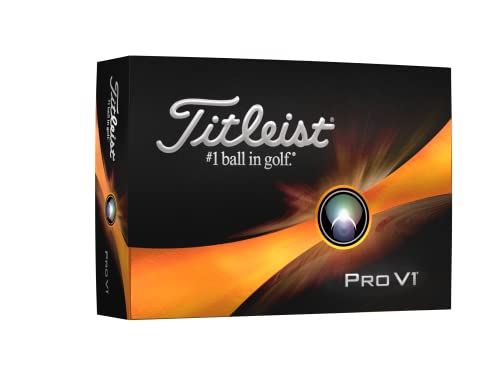
For average golfers, the Titleist Pro V1 offers an exceptional balance of distance, feel, and control. Its consistent ball flight and soft feel at impact make it a favorite among players. It’s not just about the Pro V1 though; there are other balls that might fit your game even better. The Srixon Z-Star and the TaylorMade TP5 are also renowned for their soft feel and spin control in short game situations.
- Key attributes for a golf ball that offers superb feel and control include:
- Soft urethane cover
- Low compression core
- High spin rates on short irons and wedges
With the right golf ball, you’ll experience a confidence boost knowing you can execute shots with precision. It allows for aggressive play when you’re aiming for the pin with your approach and gives you the subtle touch needed when putting. While spin can help with control, it’s the softness of the ball that truly amplifies the feel in your hands.
Experimentation is critical. As you test different golf balls, pay attention to how each ball reacts to your individual swing and stroke. The right ball for you should feel like an extension of your club, responding predictably and consistently to your play. Don’t underestimate the importance of a good short game; it often makes the difference between a decent round and your personal best score.
Overall, it’s essential to remember that the best golf balls for feel and control can illuminate aspects of your game you may not have realized needed attention. Fine-tuning your equipment to match your playing style isn’t just about shaving strokes off your game—it’s about amplifying your enjoyment every time you step on the course. So take the time to find that perfect golf ball and watch as your game transforms.
Conclusion: Finding the Perfect Golf Ball for Your Game
Frequently Asked Questions
What type of golf ball is best for feel and control?
Golf balls with a soft urethane cover are considered best for feel and control, especially around the greens.
Which golf balls are known for their soft feel?
The Titleist Pro V1, Srixon Z-Star, and TaylorMade TP5 are examples of golf balls that are known for their soft feel.
Why is a soft urethane cover preferred in golf balls?
A soft urethane cover on a golf ball is preferred because it provides enhanced feel and heightened control, which is especially beneficial in short game situations.
Should I always choose a soft golf ball for better control?
While soft golf balls offer great feel and control, it’s important to experiment and find the right golf ball that matches your play style and feels like an extension of your club.
Can the right golf ball improve my game?
Yes, finding the best golf ball for your style can definitely improve your game and also enhance your enjoyment on the course.