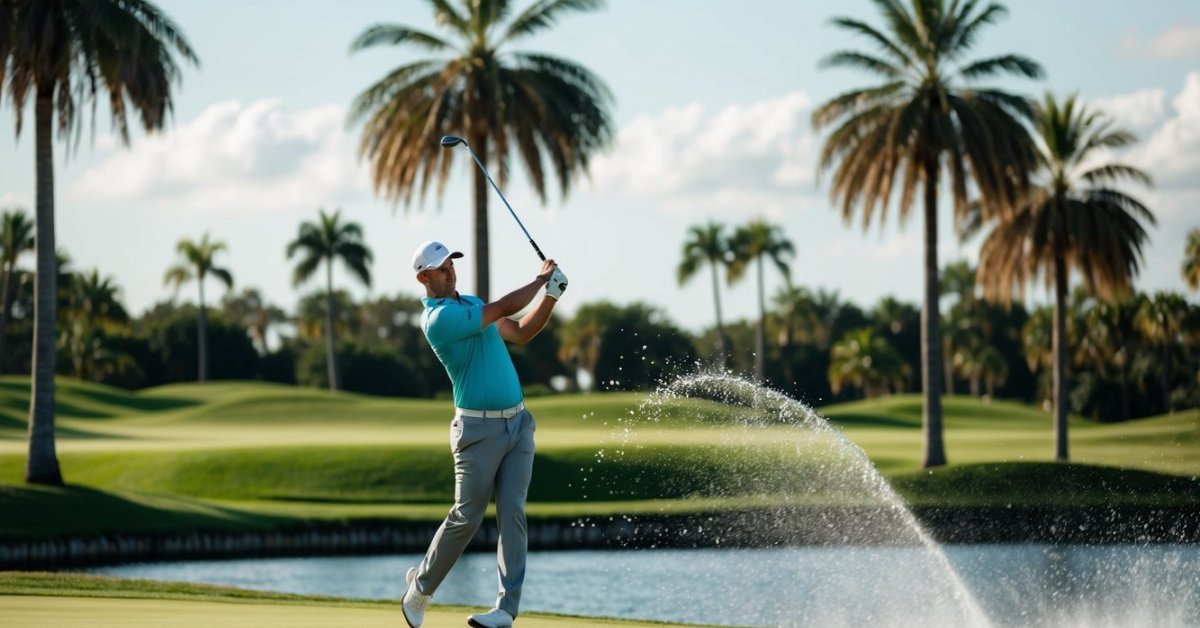
Ever wondered why your approach shots don’t stick the landing like the pros? It’s all about the backspin. And believe it or not, the right golf ball can make a world of difference.

In your quest for the perfect backspin, you’ll need a ball that’s up to the task. We’re talking high-grade urethane covers, just the right core compression, and dimple patterns that defy the norm. Stick around as we dive into the best golf balls that’ll have your shots dancing on the greens.
Understanding Backspin in Golf
When you’re out on the course, striving to shave strokes off your game, mastering backspin is like possessing a secret weapon. Backspin is the reverse rotation of the golf ball that occurs upon impact with your club. It’s responsible for that awe-inspiring moment when the ball hits the green, checks up, and rolls back towards the hole.
The key to generating backspin lies in the interaction between the clubface and the golf ball. As a low handicapper, you’re already attuned to the nuances of your swing. You know that a clean, downward strike with a high clubhead speed is essential. But let’s zero in on what really makes the ball obey your command.
The grooves on your irons play a crucial role in gripping the ball and imparting spin. They act like tread on a tire, channeling away moisture and debris to ensure a solid contact. The cleaner and sharper those grooves, the more bite you’ll get.
Your choice of golf ball is just as critical. Let’s break it down:
- Urethane Covers: They’re softer and provide more grip on the clubface, which translates to more spin.
- Core Compression: Firmer cores generally cater to faster swingers, while softer cores suit moderate swing speeds—all aimed at optimizing energy transfer.
- Dimple Patterns: Unique designs can help reduce drag and enhance lift, allowing your ball to soar and stop with precision.
Just remember, it’s not merely about the equipment. Technique is paramount. Striking the ball with a descending blow, ensuring ball-first contact, and following through correctly will make that ball spin back like it has a mind of its own.
Every golfer’s style is different. Experimenting with different balls and swing adjustments will eventually lead you to your sweet spot—the combination that gives you the control and backspin you’re after. Ever notice how pros often take that one extra practice swing or adjust their grip ever so slightly? That’s because the devil’s in the details. And when you’ve got that dialed in, you’ll have your playing partners watching in envy as your approach shots dance on the greens.
The Importance of Choosing the Right Golf Ball
When you’re out on the course, aiming for that satisfying backspin, the choice of your golf ball is more significant than you might realize. Not all balls are created equal, and some are specifically engineered to enhance backspin. Tour-level balls, often preferred by low handicappers and pros, stand out due to their layers and materials which greatly influence spin rates.


« How to Stop Golf Ball Curving Left: Unlock a Straighter Shot Now
Best Golf Ball for 80 mph Swing Speed: Unveil the Game-Changer »
One key component is the urethane cover. It’s softer and stickier than other materials, such as Surlyn, allowing for better grip on the clubface during impact. This sticky interaction is critical for generating more backspin. However, the trade-off is that urethane-covered balls might cost a bit more. But if you’re serious about your game, this investment can be well worth the edge it gives you on approach shots.
Next, consider the ball’s core. A low compression core can be particularly effective for players with a high swing speed. It deforms more upon impact but snaps back quickly, which can add to the backspin. Lower handicappers often favor these balls due to the control and feel they offer.
Dimple patterns also play an underrated role. They’re designed to control airflow around the ball, affecting trajectory and spin. A golf ball with the right dimple design can provide a stable flight and help maintain backspin even in windy conditions.
Here are a few things to keep in mind when choosing a golf ball for backspin:
- Look for multi-layered construction with a urethane cover.
- Pick balls with a low to mid compression rating, especially if your swing speed is high.
- Consider the dimple pattern and how it affects aerodynamics and stability.
Remember, it’s not just about the type of ball, but how well it matches your style of play. Trial and error can be your ally. Experiment with different golf balls during your practice sessions and take note of how each affects your backspin and overall game. You’ll soon discover that the right golf ball not only adds control to your approach shots but can also shave strokes off your game, making every round feel that much more rewarding.
Key Factors to Consider for Backspin
When you’re trying to perfect that backspin, it’s not just about the type of ball you use; a few crucial factors come into play. Understanding these can be the difference between a ball that obediently dances near the pin and one that stubbornly rolls off the green.
Club Selection is paramount to customizing your backspin. Lower lofted clubs are generally tougher to impart backspin with. If you’re aiming for that elusive backspin, consider reaching for your wedges – they’re your friends with their loft angles specifically designed to get the ball spinning backwards.
The Lie of the Ball can’t be overlooked either. For ideal backspin conditions, you need a clean lie, typically found on the fairway. Rough or sandy lies? They’re not doing you any favors. Those conditions can limit the clean contact necessary for creating that perfect backspin.
Next, let’s talk Swing Speed. It’s a straightforward equation: the faster the clubhead speed, the more potential for backspin. But it’s not just raw speed; it’s the quality of the strike. You need to hit down on the ball to compress it against the turf, which creates the friction needed for backspin. Aggressive swings with high speed can yield a ton of backspin, but only if executed with precision.
Lastly, consider the Weather Conditions. Wet conditions can affect spin, as moisture reduces the friction between the ball and the clubface. On the flip side, a dry, hot day can be advantageous for maximizing backspin. Keep an eye on the skies, and adjust your game plan accordingly.


Remember, it’s not just one factor but a blend that contributes to the sophisticated dance of the golf ball on the green. Whether it’s the right club in your hands, the lie of the ball, how you attack it with your swing, or the day’s weather, all these elements work together to affect your backspin. You’ll want to be mindful of each as you refine your approach to the game.
Top Golf Balls for Backspin
When it comes to choosing the best golf balls for maximized backspin, you’ll want to look for ones that combine a urethane cover, high core compression, and a sophisticated dimple pattern. These features work in tandem to provide the control and spin needed to hold greens and execute those shot-saving pitches and chips. Let’s take a closer look at some top contenders.
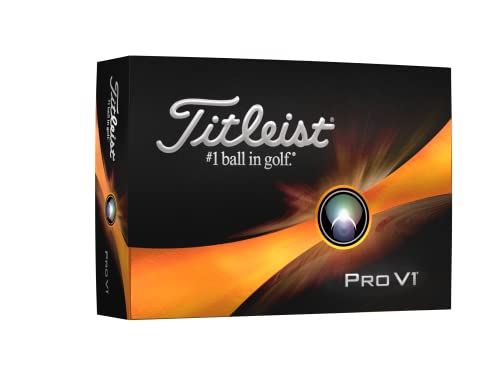
First up, the Titleist Pro V1. It’s a favorite among golfers for a reason. The Pro V1 offers a great balance between distance and spin, thanks to its soft urethane elastomer cover and spherically-tiled 352 tetrahedral dimple design. You’ll find that these balls provide excellent spin on approach shots while also being forgiving off the tee.
Callaway Chrome Soft balls are another prime choice. The Graphene-infused Dual SoftFast Core in these balls is engineered for both high launch and low spin off the driver, while the ultra-soft urethane cover grants you the greenside control you’re after. They’re perfect for wetter conditions or softer greens where that extra bite is invaluable.
If you’re seeking an option that won’t break the bank but still delivers on backspin, consider the Srixon Z-Star XV. These balls possess a firm feel and a 338-speed dimple pattern, providing a penetrating flight and ample stopping power on the greens. Especially if you’re a golfer with a high swing speed, you’ll appreciate the performance these balls offer.
Here’s a quick rundown of the mentioned golf balls with their key spin-inducing features:
| Golf Ball | Cover | Core | Dimple Design |
|---|---|---|---|
| Titleist Pro V1 | Urethane | Soft Compression | 352 Spherically-Tiled |
| Callaway Chrome Soft | Urethane | Dual SoftFast | Graphene-Infused |
| Srixon Z-Star XV | Urethane | FastLayer | 338-Speed |
Comparing the Best Golf Balls for Backspin
When you’re looking to enhance your backspin, not just any golf ball will do. Let’s break down the top contenders that promise to give your short game the edge it needs.
Titleist Pro V1 is a unanimous favorite among seasoned golfers. It’s engineered for more spin and control, especially around the greens. The ball’s urethane elastomer cover is specifically designed to increase short-game spin. With its 352-dimple design, there’s a blend of consistency in flight and exceptional spin control.
On to the Callaway Chrome Soft which features an ultra-soft urethane cover and a Dual SoftFast Core, aiming to provide high spin rates that help your ball hit the green and stop dead. It’s equipped with HEX Aerodynamics, which reduce drag and enhance lift for longer carry and distance.
The Srixon Z-Star XV, known for its SpinSkin technology, boasts a coating that increases friction and thus, spin on greenside shots. The 338 Speed Dimple pattern reduces drag at launch and increases lift during descent, adding to the ball’s stopping power on the green.
Word on the course is that Bridgestone Tour B X models are also contenders for generating optimal spin. Bridgestone’s proprietary Seamless Cover Technology and reactive urethane cover result in consistent flight and performance. Their gradational core is designed for faster ball speeds while maintaining low spin off the driver for those booming tee shots.
Remember to take the following into account:
- Cover material and softness
- Dimple pattern and design
- Core construction
- Personal swing speed
Each golf ball has nuances that might resonate differently with your game. While the Titleist Pro V1 might work wonders for one golfer, the Srixon Z-Star XV could be your ticket to backspin bliss. Keep experimenting on the course to discover which ball feels best when you’re chipping and pitching. Practice makes perfect and finding your ultimate backspin companion takes time on the fairway. Keep honing your technique and let the golf balls work their magic when they hit the turf.
Conclusion
You’ve got the scoop on what it takes to master backspin with the right golf ball. Remember, it’s not just about the ball you choose; your technique and the conditions on the course play a big part too. So grab a sleeve of Titleist Pro V1s, Callaway Chrome Softs, or Srixon Z-Star XVs and head to the green. It’s time to put your skills—and your new knowledge—to the test. Find that sweet spot between your swing and the ball that gives you the control you crave. Here’s to watching your shots land on the green and stay there, just like the pros.
Frequently Asked Questions
What is the importance of backspin in golf?
Backspin in golf is crucial because it affects the height and distance a golf ball travels, as well as its ability to stop quickly on the green. Mastering it can significantly improve a golfer’s game.
How can a golfer achieve backspin?
Achieving backspin involves the right interaction between the clubface and the golf ball, which includes using irons with clean, sharp grooves and implementing correct swinging techniques.
Why are the grooves on irons important for backspin?
Grooves on irons play a significant role because they grip the golf ball upon impact, creating the friction necessary to produce backspin. Clean and well-maintained grooves are essential.
What should golfers look for in a golf ball to maximize backspin?
Golfers should look for golf balls with urethane covers, appropriate core compression, and specific dimple patterns designed to enhance backspin.
How can swing adjustments affect backspin?
Swing adjustments can greatly affect backspin. Elements like club head speed, angle of attack, and point of contact with the ball are all critical in generating the desired spin.
Besides the ball and clubface, what other factors impact backspin?
Other factors include club selection, the lie of the ball, swing speed, and weather conditions. All these variables contribute to the generation and control of backspin.
What are some recommended golf balls for achieving backspin?
Recommended golf balls for achieving backspin include Titleist Pro V1, Callaway Chrome Soft, and Srixon Z-Star XV. These balls are designed to aid in spin-inducing performance.
How should golfers choose the best golf ball for backspin?
Golfers should consider the golf ball’s cover material, dimple pattern, and core construction, along with their personal swing speed, to find the best ball for backspin. It’s encouraged to experiment with different balls to find the ideal fit.