Looking to up your golf game without breaking the bank? You’re in luck. Finding the best golf balls for your money is all about balancing quality with cost, and you don’t have to sacrifice one for the other.

In this article, we’ll dive into the top picks that’ll give you the edge on the green without making your wallet weep. From distance to durability, we’ve got the lowdown on which balls can help you play like a pro, affordably.
Stay tuned as we reveal the secret to getting the most bang for your buck in the world of golf balls. You might just be surprised at the gems you can find without splurging.
Factors to Consider When Choosing Golf Balls
As an avid golfer who’s already managing to keep your handicap low, you know that choosing the right golf ball can be as crucial as selecting the perfect club. But with a dizzying array of options, finding the best golf balls for the money can feel like searching for a lost ball in tall grass. Let’s break down what you should keep an eye on to ensure your choice doesn’t put a dent in your wallet or your performance.
Ball Construction
The construction of a golf ball greatly influences its performance. Here’s what you need to know:
- Two-piece balls are typically more durable and offer more distance, which might be perfect for you if you prioritize a long game.
- Multi-layer balls can provide better control and spin, which could help you improve your performance on the greens.
Compression
Compression is a measure of the deflection a golf ball undergoes when it’s struck. It affects the feel and the distance the ball can travel.
- Low compression balls are softer and could help you if you have a slower swing speed.
- High compression balls are firmer and might benefit you if you swing faster and seek more control.
Spin
Consider the spin characteristics of the ball:
- Low spin golf balls minimize side spin on your drives, which may help reduce slices or hooks.
- High spin balls can increase your control around the greens, potentially improving your short game.
Price vs. Performance
Balancing cost against performance is key:
- Premium balls usually offer the best performance, but they can be pricey.
- Value options may not have the high-tech features but can still provide good performance and durability.
Remember, the best golf ball for one golfer might not be the ideal choice for another. It’s about finding the right match for your game and budget. Test different balls to see how they feel in play. Sometimes, it is the one that feels right on your clubface and responds the way you need it to that will end up in your bag. Consider trying out various brands and models; they often have distinctive feels and performance characteristics that can suit individual preferences. Keep experimenting until you find your perfect fit.


Best Golf Balls for Distance
« Best Golf Ball for 75 mph Swing Speed: Unlock Distance & Precision
How to Keep Golf Ball Low: Master the Low Shot with These Pro Tips »
When you’re on the hunt for extra yards, choosing the right golf ball can make a significant difference. Distance-optimized golf balls are specifically designed to travel further, thanks to the materials and engineering behind them.
Construction Matters
The construction of a golf ball is critical in its ability to cover more ground. Two-piece golf balls are the go-to for pure distance. Typically, they have a large, solid rubber core and a durable outer cover. This simple construction minimizes spin, propelling the ball forward with a piercing trajectory. Some prominent distance balls to consider include:
- Titleist Velocity
- Callaway Warbird
- TaylorMade Distance+
Compression Is Key
Compression has a direct impact on how a golf ball reacts off the club face. Low compression balls are softer, which means they deform more at impact and result in less spin. This is what you’re looking for if adding distance is your main objective. However, if you’re a low handicapper, you might lean towards medium compression balls for a balance of distance, feel, and control.
Spin to Win (or Not)
Spin rate is another crucial element. High spin can be the enemy of distance. It can create more lift and drag, causing the ball to rise too high and fall short. Distance golf balls typically have lower spin rates off the driver which helps to maximize carry and roll.
You don’t have to break the bank to enjoy these benefits. Keep an eye on budget-friendly options like:
- Pinnacle Rush
- Wilson Ultra 500
- Nitro Ultimate Distance
Testing out different brands and models is essential. Remember, while many factors contribute to a golf ball’s performance, it’s about finding the perfect match for your swing. Every yard counts, so take advantage of the technology at your disposal and watch your drives stretch out those extra important feet.
Best Golf Balls for Control
When you’re trying to shave strokes off your game, control becomes just as crucial as distance. A ball with excellent control helps you land your shots with precision, and for that, you’ll need to look at multilayer golf balls. These balls are engineered with an extra layer or two compared to the two-piece distance balls, giving you better feel and spin control around the greens.
Multilayer golf balls often come with a urethane cover, which is key for that soft, responsive feel when you’re attacking pins. Urethane is tackier than Surlyn and sticks to the clubface a bit longer for that added spin control on approach shots and chips. This doesn’t just mean stopping the ball on the green—it means manipulating it to work back towards the hole, or checking up when you need it most.
Spin rate is a big deal for control, and here’s a quick fact for you: premium multilayer balls typically have higher spin rates than their distance-focused counterparts. But don’t get it twisted; a higher spin rate isn’t about making the ball travel further—it’s about precision. It’s about making those chips dance and your approaches stick where you land them.
Here are some factors you should consider when looking for balls that give you more control:


- Cover material: Urethane covers enhance the grip on the clubface, giving you more spin.
- Construction: Three-piece balls or more provide layers specifically designed for spin control.
- Dimples: The pattern and shape of the dimples can influence flight and spin, with some designs helping to reduce drag and maintain control.
- Feel: Personal preference plays a big role here. Some golfers prefer a firmer feel for control while others go for a softer touch.
Ultimately, finding the best golf ball for control means testing a few against your playing style. Every swing is unique and so is the way you handle your short game. Keep that in mind the next time you’re at the pro shop or about to click “Buy” online. Your ideal ball is out there—it’s just a matter of trial and a whole lot of enjoyable testing.
Best Golf Balls for Durability
When you’re out on the course, you don’t want to worry about your golf ball scuffing or cracking after a few hard hits. Durability is key, especially if you’ve developed a strong swing that tests the limits of your equipment. Long-lasting golf balls don’t just save you money over time; they ensure a consistent performance throughout your round.
Golf balls designed for durability typically feature surlyn covers. This ionomer resin material withstands high-impact shots and resists cuts, keeping the ball playable for more holes. High-durability balls often trade a bit of the soft feel for toughness, but the trade-off can be worth it for the longevity they provide.
For those of you who are low handicappers, finding a ball that’s durable without sacrificing too much performance is crucial. You’re likely hitting the ball with more force and precision, and you need a golf ball that won’t let you down. Here are some features to look for in durable golf balls:
- Cover material: Surlyn and other high-performance resins offer the best in durability.
- Construction: Two-piece balls are typically more durable than multi-layer balls.
- Dimples: Shallower dimples may last longer as they can reduce surface wear from repeated impact.
Despite the emphasis on durability, you don’t want to play with a rock. Thankfully, advances in golf ball technology mean you no longer have to sacrifice all playability for longevity. Many brands now offer models that strike a balance, giving you a decent feel on the greens and control on your approach shots, with a resilience that withstands the rigors of the game.
It’s about finding that sweet spot where durability meets performance. Some balls on the market tout a mixed construction, with a tough exterior and a more responsive core, which might be just what you’re looking for. They allow you to play aggressively without the fear of a compromised ball midway through your game.
Remember, like with any golf equipment, it’s often best to test a few different models to find the right fit for your game. What’s durable for one player’s style might not last as long for another. Choose wisely, and your golf balls will be one less thing to worry about as you navigate the fairways and greens.
Best Golf Balls for Spin
When you’re looking to sharpen your approach game and gain a competitive edge, nothing beats a high-spin golf ball. As a savvy golfer, you know that spin can make all the difference in control and stopping power on the greens.
Urethane-covered golf balls are renowned for their spin control, especially around the greens. Unlike the surlyn counterparts that prioritize durability, these balls offer a softer feel and higher spin rates that advanced players covet. You’ll often find multilayer construction in these premium balls, designed to offer tiered benefits such as low spin off the tee but high spin on wedge shots.
Here’s a glimpse at the factors you should consider:
- Cover Thickness: Thinner covers typically enhance feel and spin control on short game shots.
- Compression: Lower compression balls tend to increase spin for golfers with lower swing speeds.
- Dimple Pattern: Varies from ball to ball and affects the aerodynamics, which in turn influences spin rates.
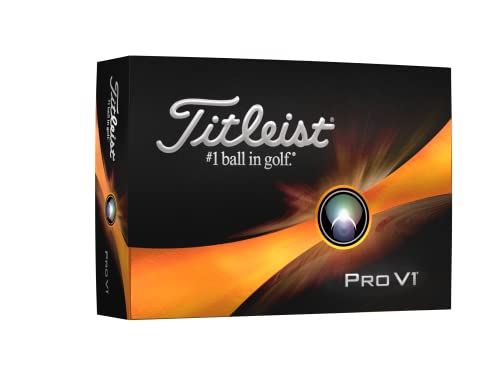
Manufacturers like Titleist, Callaway, and TaylorMade consistently put out products that top the spin charts. The Titleist Pro V1 and Pro V1x, for example, are staples for players who prioritize spin without sacrificing distance. Models like the Callaway Chrome Soft and TaylorMade TP5x exhibit similar qualities, with each incorporating technology to aid in greenside control.
Several tests and studies show the importance of spin in scoring:
| Ball Model | Full Wedge Spin RPM | Mid-Iron Spin RPM | Driver Spin RPM |
|---|---|---|---|
| Titleist Pro V1 | 10,000 | 6,000 | 2,200 |
| Callaway Chrome Soft | 9,500 | 5,800 | 2,000 |
| TaylorMade TP5x | 10,200 | 6,300 | 2,100 |
Conclusion
Frequently Asked Questions
What is the best cover material for golf balls that enhance spin?
Urethane-covered golf balls are preferred for their superior spin control, especially around the greens, providing a softer feel and high spin rates that skilled players seek.
What factors should be considered when choosing golf balls for spin?
When selecting golf balls for spin, consider cover thickness, compression, and dimple pattern, as these can significantly influence spin rates and overall performance.
Which golf ball manufacturers are known for producing high spin golf balls?
Titleist, Callaway, and TaylorMade are among the leading manufacturers that consistently produce golf balls designed for high spin, aiding advanced players in their game.
Why is spin important for golfers?
Spin is crucial as it affects the trajectory and stopping power of the ball on the greens. Studies also show that enhanced spin can contribute significantly to improved scoring in golf.