If you’re battling slices or hooks on the course, you’re not alone. These frustrating mis-hits can turn a promising round into a struggle, but the right golf ball can make a surprising difference. The ball you play isn’t just about distance or feel—it can actually help reduce those wayward shots and keep you closer to the fairway.

Choosing the right ball might seem overwhelming with so many options out there, but it doesn’t have to be. By focusing on specific features designed to correct spin and improve control, you can find a ball that works with your swing rather than against it. Ready to take control of your game? Let’s explore how the right ball can help you tame those slices and hooks.
Understanding Slices And Hooks
Slices and hooks are common issues that can ruin a solid round. Knowing how these mis-hits occur helps you address them effectively with the right equipment.
What Are Slices And Hooks?
Slices occur when the ball curves dramatically from left to right for right-handed players (or right to left for lefties). This happens when the clubface is open relative to the swing path at impact, creating excessive side spin.
Hooks are the opposite, curving the ball sharply from right to left for right-handed players (or left to right for lefties). They result from a closed clubface at impact, which produces a strong draw spin.
Spin rates, swing paths, and impact angles play crucial roles in generating slices or hooks. High side spin exacerbates mis-hits, making them more challenging to control.
How They Affect Gameplay
Slices can rob you of distance and accuracy, often landing your ball in the rough or worse, out of bounds. Missing fairways consistently increases your score and reduces scoring opportunities.
Hooks, though less common, can be equally detrimental. A strong hook often leads to short, hard-to-control shots veering into hazards or tight lies.
Both errors force you into recovery mode, affecting your confidence and rhythm on the course. They also make it harder to predict your ball flight, complicating decision-making for club and shot selection.


The Role Of Golf Balls In Correcting Slices And Hooks
« Hot Weather Impact on Golf Ball Performance: How to Adjust Your Game for Better Results
Top Balls for Mid-Handicap Players: Boost Distance, Spin & Control on the Course »
Choosing the right golf ball can make a significant difference in managing slices and hooks. If you struggle with these mis-hits, understanding how golf ball design influences spin, impact, and flight is key.
Ball Technology And Spin Reduction
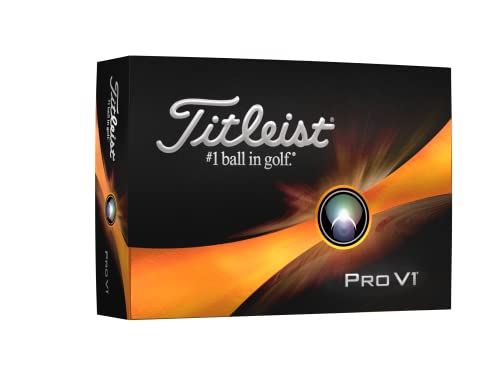
Golf balls designed with low spin properties help minimize side spin, reducing the severity of slices and hooks. Multi-layer balls with urethane covers provide better spin control on iron and wedge shots but reduce driver spin for straighter drives. For example, balls like the Titleist Pro V1x or Bridgestone Tour B XS balance control and distance, making them ideal for lowering side spin. Look for balls offering high resistance to side spin while maintaining consistent ball speeds.
Compression And Its Impact On Shots
Compression affects how the ball reacts at impact with the clubface, influencing distance and spin. Lower compression balls (50–70 rating) compress more at slower swing speeds, offering more forgiveness on off-center hits. Higher compression balls (90–100 rating) suit faster swing speeds, providing better control and feel. For players with a tendency to slice or hook, matching your swing speed to the ball’s compression ensures more consistent results.
Dimples And Aerodynamics
Dimples control lift and drag, impacting the ball’s trajectory and stability. Balls with shallower dimple patterns produce higher ball flights, helping players who lose distance due to excessive side spin. Conversely, deeper dimple patterns offer more control and less curvature, ideal for correcting slices or hooks. For example, the Callaway Chrome Soft uses optimized aerodynamics to enhance stability and promote straighter ball flights. Assessing dimple patterns helps you choose a ball that fits your flight preference and reduces misdirection.
Key Features To Look For In Golf Balls For Slices Or Hooks
Choosing the right golf ball is crucial if you’re struggling with slices or hooks. Specific ball features can help reduce spin, improve accuracy, and enhance overall control. Knowing what to look for can make a significant difference in your game.
Low-Spin Golf Balls
Low-spin golf balls reduce sidespin that causes slices and hooks. By lowering the amount of spin imparted on the ball, they promote straighter trajectories and better accuracy. For example, two-piece golf balls with ionomer covers often deliver low spin off the driver, making them a solid choice for players fighting excessive mis-hits. Look for models marketed as “low-spin” or “distance” balls, which target these performance improvements.
Soft Vs. Hard Covers
Golf ball covers influence feel and spin. Soft covers, such as urethane, provide more greenside control but may generate higher spin rates off the tee. Harder covers, like ionomer or Surlyn, produce less spin and better durability, making them effective for reducing slices or hooks. If control around the green is a priority, soft-covered balls can still help, but lower-spin hard covers often work better for eliminating mis-hits.
Distance Vs. Control
Balancing distance and control is key when selecting a ball. Distance-focused options typically prioritize lower spin and higher ball speed, helping players with slices or hooks keep their shots in play. However, control-oriented balls provide stronger stopping power on the green and improved flight consistency. If accuracy and shot correction are concerns, choose balls leaning toward distance features while maintaining reasonable short-game performance, such as multi-layer designs that blend both attributes.
Top Golf Ball Recommendations For Players With Slices Or Hooks
Selecting the right golf ball can significantly improve your game if you’re dealing with slices or hooks. Choosing balls designed to control side spin and improve accuracy helps keep shots closer to the fairway.
Best Golf Balls For Slices
Low-spin balls are ideal for fighting slices. A great option is the Titleist Tour Speed, designed for moderate spin off the tee while maintaining a soft feel. Its proprietary cover helps minimize side spin, resulting in straighter shots.


The Bridgestone e12 Contact is another excellent choice. Its contact-force dimple pattern reduces spin and enhances distance. This ball also provides added forgiveness on off-center hits, making it a practical option for slicers.
If you prefer a distance-focused ball, the TaylorMade Distance+ delivers low driver spin and straight-flight technology. It prioritizes keeping your drives on target while maintaining reliable performance in your short game.
Best Golf Balls For Hooks
For hooks, balls offering controlled spin without sacrificing distance work best. The Callaway Chrome Soft X LS provides low to mid spin and a firmer feel, helping reduce excessive draw bias and encouraging straighter flight paths.
The Srixon Q-Star Tour features advanced dimple designs for stability in the air and low spin off drives. Its urethane cover supports precision with irons and wedges, giving you spin control around the greens while countering hook tendencies.
Another great choice is the Titleist Velocity, crafted for players seeking lower spin and higher trajectory to reduce hooks. Its reduced compression core stabilizes flight even for aggressive swingers.
Budget-Friendly Options
Affordable balls that perform well against slices and hooks include the Wilson DUO Soft+, an ultra-low compression ball with minimal sidespin for straighter drives. Its soft feel makes it a solid all-around pick for control and distance.
The Pinnacle Gold focuses on consistency. This value-driven option offers low-spin characteristics to keep your shots straighter.
Lastly, the Vice Drive balances soft feel and high durability. Its lower driver spin helps manage mis-hits without stretching your budget. This ball offers reliable performance for those seeking good value without sacrificing key features.
Tips For Testing And Choosing The Right Ball
Testing golf balls to address slices or hooks ensures better accuracy and control. Focus on real-play scenarios and measurable factors during evaluations.
On-Course Testing Strategies
Evaluate ball performance by replicating your typical shot scenarios. Choose a testing day with minimal wind to avoid external interference. Hit several drives and approach shots using the balls you’re considering, alternating between options on identical holes. Pay close attention to side spin by observing the curve of your shots.
Include short-game drills near the green. Test chipping, putting, and bunker shots to assess feel and greenside control. Note how well each ball performs when attempting to reduce mis-hits.
Analyzing The Performance Of Your Ball
Assess how the ball affects trajectory and spin under different swing conditions. Check whether the ball consistently reduces excessive slices or hooks. Use a GPS tracker or rangefinder to compare distance gains and accuracy improvements between different balls.
Review your ball’s launch angle and flight stability. Analyze its distance on off-center hits, as this indicates forgiveness. Factor in greenside responsiveness to confirm the ball meets your control needs during scoring shots.
Conclusion
Finding the right golf ball can make a world of difference when you’re battling slices or hooks. By focusing on features like low spin, compression, and cover material, you can take control of your shots and keep your game on track. Testing different options on the course helps you see what works best for your swing and playing style.
With the right ball in hand, you’ll not only reduce mis-hits but also build confidence in your game. So take your time, explore your options, and enjoy the improvements that come with a ball tailored to your needs.