Golf is a game of precision and strategy, and as you age, the right equipment can make all the difference in your performance. One often-overlooked piece of gear is the golf ball. For senior players, choosing the right ball isn’t just about improving your game—it’s about enhancing your overall experience on the course.

As your swing speed and physical abilities change over time, the golf ball you’ve used for years might no longer be the best fit. The good news? There are plenty of options designed specifically to suit your needs, offering better distance, softer feel, and improved control. Finding the right one can help you enjoy the game more and keep you competitive.
Ready to discover what to look for in a golf ball that complements your skills and maximizes your potential? Let’s explore how to make the perfect choice for your game.
Importance Of Choosing The Right Golf Ball For Seniors
Selecting the right golf ball is crucial for maximizing your game as a senior golfer. With age, swing speed often decreases, which affects how the ball performs on the course. The right ball compensates for these changes, helping maintain accuracy, distance, and control with every shot.
Compression plays a key role in ball choice. Low-compression golf balls compress more easily on impact, making them ideal for slower swing speeds. They generate better energy transfer, improving distance without requiring faster swings. For example, balls with compressions between 30 and 60 often suit senior players looking for added yardage.
Feel around the greens cannot be overlooked. Softer balls provide more feedback and control for chip shots, pitches, and putts. If you’ve noticed your short game becoming less consistent, switching to a ball with a urethane or softer ionomer cover can make a significant difference.
Spin rates also vary by ball type. Lower-spin balls reduce side spin, helping you keep drives straighter. This is especially helpful if accuracy has become a challenge as your swing speed changes.
Durability matters if you’re playing multiple times a week. Many senior-friendly balls use resilient covers that withstand frequent play while maintaining performance. This ensures you’re investing in equipment that lasts, even if you’re regularly on the course.
Choosing the right golf ball enhances not just your performance but also the enjoyment you get out of the game. Feeling confident in its distance, control, and responsiveness allows you to focus on your swing and strategy.


Key Features To Consider
« Five-Piece vs Four-Piece Golf Balls: Which One Gives You Better Control on the Course?
Unlocking the Secrets of Mantle Layers: How They Shape Golf Ball Design and Performance »
Choosing a golf ball as a senior player is about playing smarter, not harder. The right features can compensate for changes in your swing and improve your overall performance.
Compression
Low-compression balls are designed for slower swing speeds. If your swing speed is under 85 mph, a ball with a compression rating between 30 and 60 improves energy transfer. This means more distance without needing faster clubhead speeds. Popular options include Titleist Tour Soft and Callaway Supersoft.
Spin Control
Managing spin makes a difference in your accuracy. Low-spin balls reduce side spin off the tee, helping you keep drives straighter and avoid slicing. Models like Bridgestone E6 or Srixon Soft Feel offer excellent control for consistent play.
Distance And Accuracy
For maximizing distance and precision, two-piece balls with aerodynamic dimples are ideal. They cut through air resistance, ensuring better ball flight. Consider the TaylorMade Kalea or Wilson Duo Optix for reliable performance across long holes.
Soft Feel And Durability
Softer balls enhance feel on chips and putts, making it easier to master touch shots. Look for urethane covers, which provide great feedback while maintaining durability. The Vice Pro Soft and Pinnacle Soft balance softness and lasting quality.
Best Types Of Golf Balls For Senior Players
Finding the perfect golf ball as a senior is about balancing distance, control, and feel. The right ball can optimize your game without requiring significant changes to your swing or playstyle.
Two-Piece Golf Balls
Two-piece golf balls suit senior players seeking a combination of distance and durability. These balls feature a solid core and a tough outer cover, maximizing energy transfer for longer drives and withstanding wear from frequent play. Models like the Callaway Supersoft and TaylorMade Distance+ provide impressive carry and roll, perfect for players with slower swing speeds. If consistency is your focus, a two-piece design can help reduce spin on drives, keeping your shots straighter.
For added performance benefits, look for a ball with aerodynamic dimple designs. This feature helps maintain flight stability, giving you an edge on windy days. For example, the Bridgestone E6 delivers reliable stability along with ample distance.
Low Compression Golf Balls
Low compression golf balls cater to slower swing speeds, ensuring optimal energy transfer at impact. A lower compression rating (generally below 75) allows the ball to compress more on contact, improving distance without requiring extra effort. If your swing speed is under 85 mph, options like the Titleist Tour Soft or Srixon Soft Feel deliver significant improvements in yardage while maintaining excellent control.
These balls don’t just perform off the tee; they also shine in the short game. The softer construction enhances your feel on approach shots and putts, helping you control spin and distance around the greens. For a balance of softness and durability, try models like the Wilson Duo Optix or Vice Pro Soft.


Top Recommendations For Senior Golfers
Selecting the right golf ball can transform your game as a senior player. Whether you’re focused on distance, feel, or control, there are excellent choices across various price points to suit your needs.
Budget-Friendly Options
Affordable golf balls don’t sacrifice performance, especially for seniors with slower swing speeds. Here are two solid options:
- Callaway Supersoft
This low-compression, two-piece ball is designed for effortless distance and a soft feel. Its HEX Aerodynamics reduces drag, creating higher lift for longer carry. At its price point, it balances distance and feel without breaking the bank.
- Srixon Soft Feel
The Srixon Soft Feel provides exceptional control around the greens and greater accuracy off the tee. Its FastLayer Core ensures a soft center with firmer outer layers, giving you both distance and touch.
Premium Choices
If you’re looking to elevate your game with premium options, consider these:
- Titleist Pro V1x
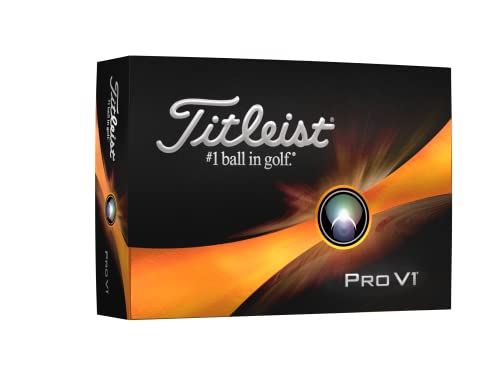
For seniors seeking advanced performance, the Pro V1x offers high launch, low spin on long shots, and an exceptional soft feel for your short game. Its durable urethane cover enhances control, making it ideal for every aspect of play.
- Bridgestone Tour B RXS
Engineered for slower swing speeds, the B RXS maximizes ball speed while providing superior spin control. Bridgestone’s REACTIV cover adapts to different shot types, offering a mix of distance and precision for experienced players.
Common Mistakes To Avoid
Avoiding common mistakes when choosing golf balls can significantly impact your performance on the course. Here are key errors to steer clear of:
1. Ignoring Compression Ratings
Selecting a golf ball with the wrong compression can lead to distance and control issues. Senior players with slower swings benefit from low-compression balls (under 70), as they compress easier at impact for optimal energy transfer. Overlook this, and you might struggle to find consistency in your shots.
2. Overlooking Spin Characteristics
Using a high-spin ball can amplify slices or hooks, particularly for seniors with slower swing speeds. Choose low-spin options to promote straighter shots off the tee, improving accuracy. Avoid prioritizing spin for control near the greens if it compromises your long game.
3. Prioritizing Feel Over Performance
A soft feel is important, but prioritizing it at the expense of distance or forgiveness could harm your overall game. Balance feel and performance by selecting balls that offer both, like Titleist Tour Soft or Callaway Supersoft.
4. Sticking to Old Preferences
Aging changes your swing speed and playing style, so relying on the same golf ball from years ago can hinder progress. Experiment with newer models tailored for seniors, as advances in design like enhanced aerodynamics or softer cores can improve your game.
5. Overpaying for Technology You Don’t Need
Premium balls like Titleist Pro V1 may not suit seniors who don’t require the advanced spin and trajectory control they offer. For slower swing speeds, budget-friendly options like Srixon Soft Feel or Wilson Duo Soft+ often deliver similar benefits at a lower cost.
6. Ignoring Durability Needs
Durability matters if you play frequently, as softer covers can wear out quicker, adding unnecessary expense. Choose balls designed with resilient covers, like Bridgestone E6, to maintain performance while keeping costs reasonable.
Avoid these mistakes, and you’ll find selecting the right golf ball more efficient, helping you maximize distance, accuracy, and enjoyment on the course.
Tips For Testing And Selecting Your Golf Ball
Evaluate Performance Characteristics
Test potential golf balls by focusing on areas critical to your game—distance, spin, and feel. Begin by hitting drives to assess distance and trajectory. For spin control, try full iron shots to see how the ball reacts upon landing. Finally, hit chips and putts to gauge feel around the greens. Comparing these characteristics ensures the ball complements your playstyle.
Use On-Course Testing
Take your top contenders for a round on your usual course. Playing in real conditions highlights how each ball performs with your swing. Pay attention to shot consistency, distance off the tee, and control during approach shots. On-course performance often exposes strengths and weaknesses not evident on the range.
Match Ball Type To Swing Speed
Choose a ball that aligns with your swing speed for optimal performance. For lower swing speeds, under 85 mph, low-compression balls like Callaway Supersoft or Srixon Soft Feel provide better energy transfer and distance. If your swing speed exceeds 85 mph, mid-to-high compression balls, such as the Titleist Pro V1 or Bridgestone Tour B RX, can offer enhanced control and spin.
Assess Durability During Play
Durability plays a key role in frequent play. Check if the ball remains scuff-free after bunker shots or full-swing iron hits. Models with urethane covers, like the Titleist Tour Soft or Vice Pro Soft, balance durability and performance.
Prioritize Short Game Feel
Feel matters most in chips, pitches, and on putts. Test how the ball behaves during short game situations. Softer balls provide more feedback, helping improve control and precision. Models like the TaylorMade Soft Response or Pinnacle Soft excel in this category.
Experiment With Different Models
Trial a variety of golf balls to find the right fit. Start with popular models like Srixon Q-Star or Bridgestone E6, which cater to various player needs. Trying multiple options ensures you won’t settle for a ball that isn’t perfect for your game.
Use Data-Driven Insights
If possible, use launch monitors to analyze ball performance. Track metrics like ball speed, spin rate, and carry distance to make informed decisions. Quantifiable data ensures your choice aligns with your game improvements.
Conclusion
Choosing the right golf ball can make a huge difference in how much you enjoy your time on the course. By focusing on factors like compression, spin, feel, and durability, you’ll find a ball that complements your swing and enhances your performance. Don’t be afraid to experiment with different options and take your time testing what works best for you.
The right golf ball isn’t just about improving your game—it’s about making every round more satisfying. With the right choice, you’ll play smarter, not harder, and get the most out of every swing.