When the temperature drops, you might notice your favorite sports gear doesn’t perform quite the same. Whether you’re on the golf course, the soccer field, or the basketball court, cold weather can take a toll on the balls you rely on. But have you ever wondered why some balls seem to lose their bounce or feel harder to control in chilly conditions?

Not all balls are created equal when it comes to handling the cold. Some maintain their resilience and performance, while others falter under the pressure of freezing temperatures. If you’re gearing up for a game in the winter months, understanding which balls can withstand the chill could make all the difference.
Understanding Cold Weather Performance
Cold weather changes how golf balls behave, especially in terms of distance, spin, and feel. As a low-handicap golfer, you know that consistency is critical, so understanding these changes helps you manage your game during chilly rounds.
How Cold Weather Affects Ball Resilience
Low temperatures reduce a golf ball’s compression, lowering its ability to rebound off the clubface. This results in a significant loss of distance, typically about 1-2 yards for every 10°F drop below 70°F. Golf balls with lower compression ratings perform better in the cold because they stay softer and maintain rebound.
Cold air is denser than warm air, creating more drag on the ball’s flight. You’ll notice a lower trajectory and reduced carry. Choose a ball designed for lower spin to compensate for the added drag and maintain a straighter flight path.
The feel of the ball changes, especially around the greens. A cold golf ball feels harder on contact, which can affect your short game control. Softer cover materials handle these conditions better, providing a more predictable touch for chips and putts.
Importance of Testing Balls in Low Temperatures
Testing golf balls in cold conditions ensures you play with a ball that retains performance. For instance, experimenting with different models on a launch monitor during winter months reveals which ball delivers optimal spin, carry, and soft feel for your swing.
Monitor how your ball reacts when practicing on a frosty range. Pay attention to its distance, launch angle, and greenside performance. This first-hand data helps you select a ball tailored for your winter game, ensuring you minimize performance losses caused by the cold.
Focus on balls engineered for cold weather, like those with softer cores and low-compression designs. Popular options include models from brands like Titleist, Bridgestone, and Callaway that prioritize distance and feel in colder climates.


Types Of Balls Tested
« How Core Size Shapes Ball Performance: The Key to Speed, Spin, and Control
Water Resistance: Do Any Golf Balls Float? Exploring the Science Behind It »
Understanding how different types of balls respond to cold weather can improve your game. Not every ball performs the same when temperatures drop, so knowing the right ones to use matters.
Sports Balls (Soccer, Basketball, Football)
These balls lose resilience quickly in cold weather. For soccer, the outer layering stiffens, affecting passes and shots. Basketballs lose air pressure, reducing bounce, while footballs harden, making gripping and throwing less consistent. Since these sports demand quick handling and controlled movement, practice with winter-specific models offers better performance.
Recreational Balls (Golf, Tennis, Billiards)
Golf balls endure the most noticeable changes in cold weather. Compression drops, leading to less distance. For every 10°F drop below 70°F, expect 1-2 yards of loss in your drives. Use balls with lower compression ratings; they stay softer, even in cold air. For example, models like the Bridgestone e6 or Titleist TruFeel maintain feel and launch conditions.
Tennis balls harden in cold air, losing both speed and bounce. Opt for pressurized balls like Wilson US Open that retain performance despite lower temperatures. With billiard balls, decreased elasticity impacts rail rebounds. Use warmed balls to maintain consistent rolls during extended play sessions.
Key Factors Impacting Resilience
Cold weather challenges a golf ball’s consistency in performance. Understanding which factors influence how a ball reacts in low temperatures helps you make smarter choices on the course.
Material Composition
The materials used in a golf ball’s core and cover dramatically impact how it performs when temperatures drop. Urethane covers, common in premium balls, are softer and maintain a better feel in cold weather. However, they may stiffen slightly if exposed to freezing conditions for extended periods. Thermoplastic covers, often used in distance-focused balls, can harden more in the cold, reducing their spin and control. Opt for balls with low-compression cores and softer materials that retain flexibility to maximize both distance and feel during chilly rounds.
Internal Pressure and Design
Compression and layering designs determine how efficiently a ball rebounds upon impact. In cold weather, high-compression balls become too firm, losing their characteristic spring, which can lead to distance loss. Two-piece designs are more stable but may feel firmer in cold air, while multi-layered designs with softer outer layers provide better overall resilience. Testing cold-weather-friendly options like low-compression balls ensures you retain a reliable balance of distance and short game touch.
Temperature Sensitivity
Golf balls respond noticeably to temperature changes. A high-performance ball in warm conditions might feel rock-hard when it’s cold. For every 10°F drop below 70°F, you lose about 1-2 yards of carry. Balls engineered for consistent spin and flight in cooler air, like the Titleist TruFeel or Bridgestone e6, are ideal for maintaining performance in winter. Storing balls at room temperature before play minimizes the negative effects of cold and ensures they remain playable during your round.
Best Performing Balls In Cold Weather
When temperatures drop, choosing the right golf ball can make a significant difference in your game. Cold conditions affect compression, feel, and distance, so selecting a ball that stays resilient helps maintain performance throughout your round.
Top Picks by Sport
For golf, low-compression balls like Titleist Tour Soft, Callaway Supersoft, and Bridgestone e6 shine in cold weather. These options retain softer feels despite low temperatures, improving distance and control. With golf balls losing approximately 1-2 yards for every 10°F drop below 70°F, the softer core in these models helps reduce the impact of cold-induced distance loss.


If you play multiple sports, cold-weather soccer balls often feature insulated covers to minimize stiffness and aid control. Winterized basketballs maintain air pressure better, minimizing bounce reduction. In tennis, balls like Wilson Triniti are designed to sustain liveliness, ensuring your game doesn’t slow down due to freezing conditions.
Notable Brands and Innovations
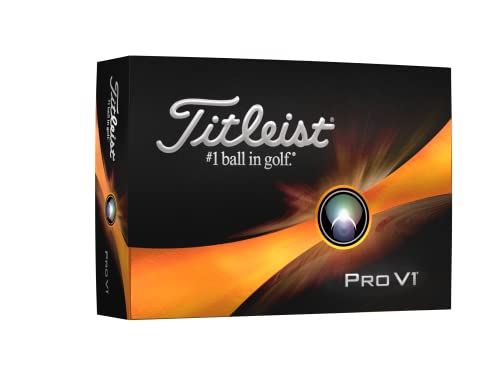
Titleist remains a top performer with models like the Pro V1 and Pro V1x making strides in cold-weather resilience. These balls combine urethane covers with lower compression, offering a balanced mix of soft feel and distance retention. Callaway’s Supersoft provides a lightweight option with its ultra-low compression core, making it a go-to choice for cooler rounds.
Bridgestone focuses on cold-weather playability with its e12 Contact and e6 models. Featuring an advanced mantle layer and soft ionomer cover, these balls maintain manageable spin rates and improve carry in low temperatures. Bridgestone’s innovations cater to players seeking both performance and feel.
When temperatures dip, understanding how your ball reacts to the cold ensures consistent results, particularly for golfers looking to keep their scores low.
Tips For Choosing Cold Weather-Resilient Balls
Cold temperatures challenge your golf ball’s performance, impacting distance, feel, and control. Selecting the right ball ensures consistent results, even in freezing weather.
Features To Look For
Choosing a low-compression ball matters when temperatures drop. Models like the Titleist TruFeel or Callaway Supersoft compress easily, ensuring better energy transfer and distance in cold weather. Low-compression cores also help maintain a softer, more responsive feel around the greens.
Prioritize balls with urethane covers for improved short-game control. Urethane performs better than harder surlyn in colder conditions, as it stays softer for more spin and precision during chips and putts. Cover designs with ionomer blends, like in mid-tier models, bridge durability and some softness.
Look for balls engineered for lower spin profiles. Cold air increases drag, so reducing spin helps achieve straighter shots and higher carry distances. Options like Bridgestone e6 are tailored to counter these challenges, providing stable flight and reduced side spin.
Maintenance and Storage Tips
Store your golf balls indoors at room temperature before playing in the cold. Cold storage makes the core and cover stiffen, reducing compression and distance. Keep balls warm on the course using a pocket or hand warmer to maintain playable conditions, but avoid heating devices that overheat the core.
Rotate balls periodically during play to avoid prolonged exposure to freezing temperatures. A little forethought ensures each ball remains responsive, even as rounds drag on chilly days. Ensure your backup sleeves are kept warm too, so replacements perform immediately when needed.
By selecting and caring for cold-weather-friendly golf balls, you’ll improve your performance, gain consistent distance, and finesse control throughout your winter rounds.
Conclusion
Cold weather doesn’t have to derail your game if you’re prepared with the right equipment. Choosing balls designed for low temperatures can make all the difference in maintaining performance, whether you’re on the golf course, soccer field, or basketball court. Paying attention to factors like compression, cover material, and storage habits ensures you’re set up for success, even in chilly conditions.
By investing in winter-friendly options and testing them in real conditions, you’ll stay ahead of the game. So bundle up, bring the right gear, and enjoy your favorite sports all season long.