When it comes to construction projects, choosing the right brand can make all the difference. From tools and materials to overall durability, every brand brings something unique to the table. But with so many options out there, how do you know which one truly delivers on its promises?

You’ve probably noticed that some brands focus on affordability, while others emphasize premium quality or innovative features. Understanding these differences can help you make smarter decisions, whether you’re building a home, renovating a space, or tackling a DIY project. It’s not just about the price tag—it’s about finding the perfect balance between reliability, performance, and value.
Overview Of Construction Practices
Understanding how golf ball brands differentiate their construction practices helps you select the right ball for your game. Manufacturers focus on layering, core materials, and cover innovations to influence the ball’s performance in feel, spin, and distance.
- Core Design: The core directly affects compression and distance. For example, low-compression cores excel in softer feel and higher launch, while firmer cores deliver maximum distance with faster swing speeds. Brands like Titleist and TaylorMade engineer advanced core technologies to cater to varying swing profiles.
- Layering: Multilayer designs allow manufacturers to fine-tune spin and trajectory. Two-piece balls, like those from brands such as Srixon, provide durability and straight flight. Meanwhile, five-piece constructions from premium brands like Callaway give more spin control for low handicappers seeking versatility.
- Cover Material: Urethane covers improve spin and greenside control, making them a go-to for golfers with a lower handicap. For added distance and durability, Surlyn covers are common in value-oriented brands.
Every performance characteristic—spin, feel, launch, distance—starts with construction. Knowing these technical aspects ensures you’re playing with a ball designed for your strengths and preferences.
Key Factors To Consider In Construction
When comparing golf ball brands, understanding how construction influences performance can dramatically impact your game. Paying attention to materials, design, and cost ensures you’re choosing a ball that complements your skills and preferences.
Materials And Durability
Materials determine a ball’s feel, spin, and longevity on the course. Urethane covers, found in premium brands like Titleist and TaylorMade, deliver excellent spin control, ideal for precision shots and greenside performance. These covers are softer but may scuff more easily, making them a better fit for lower handicappers who prioritize control. On the other hand, Surlyn covers, common in more affordable options like Bridgestone e6 or Callaway Warbird, offer increased durability and reduced spin, making them a solid choice for extended play or higher handicaps focusing on distance.
Design And Innovation
Advanced layering enhances performance for skilled players. Multilayer designs, such as the five-piece TaylorMade TP5, provide precise spin separation, helping you control trajectory and achieve optimal greenside spin. Two-piece constructions, like those in Titleist Velocity, focus on distance and durability, often preferred for a more simplified performance. Innovations in core technology, such as low-compression cores in Srixon Q-Star Tour, promote higher launch while maintaining a softer feel, critical for shots requiring finesse.
Cost And Value
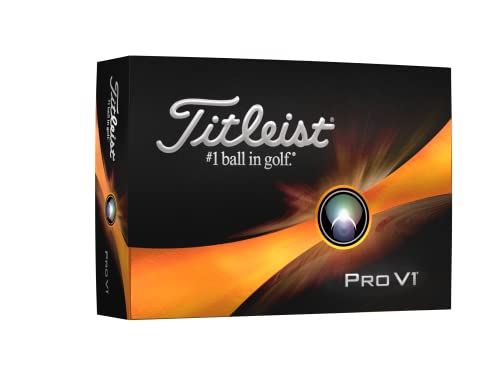
Balancing cost with performance is key. Premium balls like Titleist Pro V1 or Callaway Chrome Soft often come with a price tag of $50 per dozen but deliver unmatched consistency and spin for lower handicappers. Mid-tier options like the Bridgestone Tour B RX offer impressive features at around $35-$40 per dozen, ideal for players who demand quality but need a slightly lower price point. For beginners or casual players, value-focused brands like Pinnacle Gold may run below $20, sacrificing advanced performance for affordability and durability.
Comparing Major Construction Brands
When choosing golf balls, understanding how different brands balance performance characteristics can directly impact your game. Each brand offers unique construction features catering to various skill levels, playing styles, and preferences.


Brand A: Strengths And Weaknesses
« Best Golf Balls for Left-Handed Players: Top Picks to Elevate Your Game
Solid vs Wound Construction: Pros and Cons Every Golfer Should Know »
Brand A focuses heavily on premium performance with advanced multilayer constructions. Their five-piece golf balls maximize spin control, particularly beneficial for approach shots on firm greens. The urethane covers deliver exceptional feel and increased stopping power, especially in high-spin situations. This makes Brand A ideal for low handicappers seeking enhanced short-game precision.
However, this focus on premium features results in higher pricing, which might not appeal to budget-conscious players. Additionally, some golfers report that the softer covers are prone to scuffing after repeated wedge shots, reducing durability.
Brand B: Strengths And Weaknesses
Brand B excels at providing consistent distance and durability. Their two-piece constructions with Surlyn covers are tailored for players who prioritize long, straight shots off the tee. These balls maintain excellent resilience, even after several rounds, making them a cost-effective option for regular play.
While great for durability and distance, Brand B’s golf balls don’t offer the same level of greenside spin or soft feel as premium options. For skilled players focused on precision around the greens, they may lack the finesse needed for more advanced shot-making.
Brand C: Strengths And Weaknesses
Brand C targets innovation, delivering versatile options suitable for different playing styles. Their three-layer models strike a balance between spin control and distance, catering to mid to advanced players who appreciate all-around performance. Urethane covers improve feel and control on partial shots while offering moderate durability.
The primary downside of Brand C lies in consistency. While some models excel in tour-level settings, others seem less reliable in terms of trajectory and ball flight stability. This variability might require extra effort on your part to find the perfect fit within their range.
Customer Experiences And Reviews
Feedback from fellow golfers often reveals what stats and specs can’t—real-world performance, consistency, and overall satisfaction. Customer reviews help you gauge what to expect from different brands and models based on first-hand experiences.
Common Praises
Players consistently praise premium brands like Brand A for their spin control and soft feel around the greens. Low handicappers, like you, frequently point out how these balls allow you to shape shots and dial in precise distance control, especially on approach shots. Reviews highlight the value of multilayer constructions in balancing distance off the tee with greenside spin, a critical factor for competitive play. Many golfers also note that urethane-covered balls from brands like Brand C deliver exceptional grip on wedge and iron shots, boosting confidence during delicate up-and-down situations.
Mid-tier options like Brand C often earn recognition for bridging performance and affordability. Golfers say balls in this category excel at providing strong distance while still offering a fair degree of short-game spin. Casual players and advancing mid-handicappers appreciate these features for enhancing their overall game.
Two-piece models, such as those by Brand B, garner positive reviews for their durability and long-distance capability. High handicappers and recreational players have shared that these constructions are reliable for minimizing errant ball flight while maximizing value.


Frequent Complaints
Consistent gripes surface with premium balls, primarily their higher costs. Golfers mention that while the performance justifies the price, misplaying or losing an expensive ball during rounds can be a frustrating experience. Some reviewers also report faster wear with urethane covers, especially for golfers playing multiple rounds a week.
Mid-tier options, like the three-layer models from Brand C, occasionally draw criticism for inconsistent flight patterns. Advanced players often note that while these balls offer a good mix of features, they sometimes lack reliability in high-spin situations around the greens.
Value-focused balls, such as Brand B’s two-piece designs, face complaints regarding limited short-game spin and flatter feel on the greens. Reviews frequently suggest these are better suited to beginners or players prioritizing straight, long shots over finesse and shot-shaping.
Industry Trends And Future Outlook
Advancements in golf ball construction and material technology are shaping future trends. Brands are prioritizing sustainability by incorporating recycled materials into core and cover designs. For example, some urethane-covered balls now use eco-friendly alternatives without compromising spin control or feel. This shift lets eco-conscious players support greener practices while maintaining performance.
Innovations in aerodynamic dimple patterns are improving ball flight. Deeper or more complex dimple structures reduce drag and optimize lift, enabling longer carry distances and straighter flights. Low handicappers seeking precision can benefit from these developments, as newer patterns bring consistency in windy conditions.
Customizable golf ball technology is another emerging trend. Companies are offering personalized compression levels, spin rates, and cover textures to match individual swing characteristics. These options appeal to players looking to fine-tune their equipment for optimal performance based on their unique playing style.
The demand for multi-layered balls continues to rise. Advanced five-piece designs cater to skilled golfers, providing increased spin separation and better control during approach shots. As research deepens, brands focus on layering innovations that deliver both feel and distance, making these products even more tailored to experienced players.
AI integration in manufacturing processes is enhancing quality control. Automated systems ensure every ball meets strict tolerances for weight, size, and symmetry. For low-handicap players who require reliability in every round, this technology adds assurance when choosing high-end models.
These industry trends indicate a strong push toward sustainable practices, personalized products, and technological advancements, which collectively aim to elevate golf ball performance while meeting player preferences.
Conclusion
Choosing the right brand, whether for construction projects or golf balls, ultimately comes down to understanding your unique needs and priorities. By weighing factors like quality, performance, and cost, you can find options that align with your goals and budget.
Remember, every brand has its strengths, so it’s all about what works best for you. Whether you’re building something lasting or improving your game on the course, informed decisions lead to better results and greater satisfaction.