When it comes to understanding materials and structures, compression ratings play a crucial role. They reveal how well a material can withstand pressure without losing its integrity, making them essential for everything from building skyscrapers to crafting everyday products. But not all constructions are created equal, and their compression ratings can vary widely based on design and materials.

You’ve probably noticed that some materials seem tougher or more durable than others. That’s because different constructions are designed to handle specific levels of stress and strain. Whether you’re curious about how these ratings impact safety, performance, or durability, exploring the differences across various constructions can give you a clearer picture of why they matter.
Understanding Compression Ratings
Compression ratings directly influence how a golf ball performs. They measure how much the ball compresses when struck, impacting distance, feel, and control.
What Are Compression Ratings?
Compression ratings refer to the numerical values assigned to how tightly wound a golf ball is. They typically range from 30 to 120. Low compression balls (30-60) compress more easily and often deliver a softer feel. High compression balls (90-120) provide firmer feedback and are best suited for higher swing speeds.
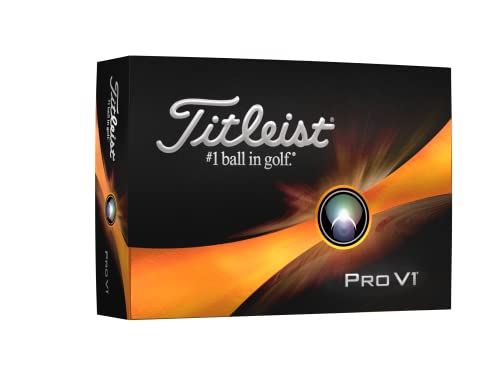
For example, a ball with a compression rating of 50, like the Titleist TruFeel, feels softer and is designed for players with moderate swing speeds. Conversely, a Pro V1 or Pro V1x with a higher compression of around 90-100 offers less deformation on impact and maximizes performance for faster swings.
Importance Of Compression Ratings In Construction
Understanding compression ratings helps you choose the right ball for your game. The construction of multi-layer golf balls, combined with compression, affects spin, control, and energy transfer. For instance, urethane-covered high-compression balls are ideal for advanced players seeking precision and workability. On the other hand, surlyn-covered low-compression balls suit casual players focusing on distance and forgiveness.
Compression ratings also relate to temperature. Lower compression balls retain performance in cold weather, while high compression balls may feel excessively hard. Selecting the proper compression optimizes shot consistency across conditions.
Comparing Compression Ratings Across Materials
When selecting the right golf ball, understanding compression ratings helps you make better decisions for your game. While compression directly impacts ball performance, similar principles apply to other materials used in construction.
Concrete Compression Ratings
Concrete, with its high compression rating, provides the foundation for structures that endure immense pressure. Compression strength for standard concrete ranges from 3,000 to 6,000 psi. For ultra-high-performance concrete, ratings exceed 17,000 psi, ensuring it withstands rigorous stress. While this might seem unrelated to your golf game, it parallels how firmer, high-compression balls deliver consistent performance for players with faster swing speeds.


Steel Compression Ratings
« Hybrid Construction Golf Balls: What Are They and Why Golfers Love Them?
Advanced Golf Balls Pros and Low-Handicappers Swear By for Maximum Performance »
Steel’s exceptional compression strength, often surpassing 30,000 psi, makes it indispensable for heavy-load construction. Its durability matches the high-end performance characteristics of high-compression golf balls that thrive under significant impact force. If you prefer firmer feedback off the clubface, these similarities highlight the value of high-compression design in both metal and golf ball technology.
Timber Compression Ratings
Timber offers a softer compression profile, ranging from 500 to 1,200 psi depending on the wood species. This lower rating aligns with low-compression golf balls, which provide a softer feel and help moderate swing speed players maximize distance without sacrificing control. Just as softer wood balances weight and flexibility, these balls deliver a balanced experience tailored to your specific playing style.
Understanding how compression interacts with different materials adds perspective on how compression ratings impact golf ball construction and performance.
Factors Affecting Compression Ratings
Understanding the elements influencing compression ratings helps you choose the right golf balls for your game. These factors ensure you match your ball to swing speed, playing conditions, and performance needs.
Material Quality
The materials used in a golf ball’s construction directly impact its compression. Multi-layer balls with urethane covers, often preferred by low handicappers, offer higher compression ratings and enhanced control. In contrast, two-piece models with ionomer covers are softer, suiting slower swing speeds. The core’s composition—usually rubber or synthetic polymer—dictates energy transfer upon impact. A firmer core increases compression, resulting in greater feedback and longer distance, while a softer core decreases compression, creating a softer feel around the greens.
Environmental Conditions
Temperature significantly affects how a ball compresses. Low compression balls, between 30 and 60, maintain their performance in cold weather, as softer materials resist hardening in lower temperatures. Conversely, high compression balls (90-120) lose some responsiveness in the cold, which can reduce distance. Humidity and altitude also alter ball flight, indirectly influencing compression by affecting carry and spin rates. Testing your preferred ball under diverse conditions ensures consistent results.
Load Distribution
Impact dynamics, like club head speed and strike consistency, influence compression ratings. High compression balls are optimal if your swing exceeds 105 mph, as they maximize energy transfer. Low compression balls deform more on impact, creating better results for moderate swing speeds below 90 mph. Uneven strikes can reduce the performance of high-compression options, making softer balls more forgiving if consistent center-face contact isn’t always achieved.
Innovations In Compression Testing
Understanding how compression impacts performance starts with precise testing. Innovations in compression testing methods and technology let you evaluate golf balls with greater accuracy, helping you select the perfect ball for your game.
Advanced Testing Methods
Modern compression testing measures how much a golf ball deforms under specific loads. Machines apply controlled pressure, simulating the forces you generate during impact, to assess compression ratings accurately. Advanced methods now analyze deformation patterns across different layers of multi-piece balls, giving you better insights into energy transfer and spin potential. These techniques ensure that every ball’s compression is optimized for varying swing speeds and playing conditions.
High-speed cameras and infrared sensors are increasingly used to track minute shape changes during compression testing, providing data on how balls react at various impact speeds. For example, when testing low-compression balls, these tools reveal their ability to retain shape and maximize distance for players with moderate swing speeds. Similarly, high-compression ball testing highlights their resistance to deformation under faster swings, offering enhanced control and trajectory predictability.


Role Of Technology In Accuracy
Technological advancements have redefined compression testing by increasing precision. Equipment like digital force meters and thermal imaging tools ensures tests account for temperature and material variations, delivering reliable outcomes even in real-world scenarios. This matters because the ball you use on a cold morning won’t react the same way as in warmer weather.
Data-driven simulation programs also help predict how compression impacts ball flight, spin, and feel based on your unique swing characteristics. These tools make it easier to match your swing speed and playing style with the best compression range. For instance, if you swing fast, you can see how high-compression balls transfer more energy, maintaining control through impact. Conversely, players with slower swings can visualize the benefits of softer balls compressing more to improve launch and distance. These innovations let you optimize your game by making informed choices.
Practical Applications Of Compression Ratings
Understanding compression ratings lets you make smarter choices and fine-tune your game. These ratings influence everything from distance and control to how a ball performs in varied playing conditions.
Building Foundations
Compression ratings lay the groundwork for maximizing your performance. Low-compression balls, rated between 30 and 60, suit moderate swing speeds by delivering a softer feel and greater shot distance with less effort. This is especially useful when your swing speed falls below 90 mph, as the ball compresses more easily, giving you optimal energy transfer. On the flip side, high-compression options (90-120) are better suited for faster swings, offering better feedback and control when you consistently generate higher club head speeds. Picking a ball with the right compression can help build consistency in your shots, enhancing accuracy while maintaining power.
Structural Safety Assessment
While safety might not be the first thing that comes to mind, compression ratings directly affect reliability, especially under pressure. High-compression golf balls resist deformation at impact, ensuring performance stability during high-speed swings. This can give you confidence when you’re shaping your shots or hitting aggressive drives. Low-compression balls, on the other hand, deliver more forgiveness during less consistent strikes and in colder weather when speed naturally decreases. Factoring in climate, course conditions, and your swing characteristics ensures you’re optimizing your ball choice, preventing unwanted mishits or performance drops during challenging rounds.
Conclusion
Understanding compression ratings gives you a valuable edge, whether you’re evaluating materials for construction or choosing the perfect golf ball. These ratings reveal how materials respond under pressure, helping you make informed decisions that enhance performance and durability.
When it comes to golf, matching your swing speed and style with the right compression range can elevate your game. By factoring in conditions like temperature and course demands, you can ensure consistent results and greater control.
Compression ratings aren’t just numbers—they’re tools that empower you to adapt, perform, and succeed in any situation.