Ever wondered why your golf shots aren’t quite making the cut? It might not be your swing that’s the problem—it could be your golf ball. That’s right, the ball you choose can have a huge impact on your game, especially when it comes to swing speed.

You’re about to discover how matching your swing speed to the right golf ball can send your game to new heights. Whether you’re a beginner or an experienced golfer, knowing this can be a game-changer. So, grab your clubs, and let’s dive into the world of golf balls and swing speeds.
Why does the golf ball matter?
Imagine you’re on the tee, ready to unleash your best swing. It’s not just about perfect form or power; the golf ball you select plays a pivotal role in your performance. Different balls are engineered to react differently to various swing speeds. If you’ve got a high swing speed, a ball designed to compress more will not give you the distance you could achieve with a ball meant for your style.
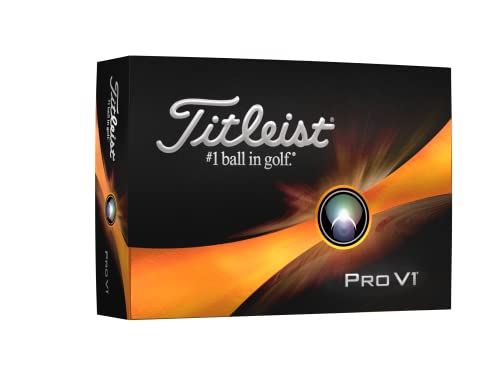
For instance, if you’re swinging over 105 mph, tour-level balls with firmer feel, higher compression, and urethane covers are your allies. These balls offer less spin off the driver, which translates into longer, straighter drives for your powerful swing.
Here’s a quick reference:
| Swing Speed (mph) | Golf Ball Type |
|---|---|
| < 85 | Low Compression Golf Balls |
| 85 – 104 | Medium Compression Golf Balls |
| 105+ | High Compression Golf Balls |
A lower compression ball works best for swing speeds under 85 mph. It’s more forgiving and will aid you in achieving greater distance. Compression matters because it dictates how much the ball deforms at impact. Too much deformation can mean loss of energy and thus, shorter drives.
Furthermore, the cover material is paramount. Urethane-covered balls, typically preferred by low handicappers like you, offer more control and better feel around the greens. Surlyn-covered balls might offer more durability and a lower price point, but they generally don’t provide the same level of control.
Choosing the correct ball also affects your short game. Balls with a softer feel can enhance your touch on the greens and provide better spin control—crucial for shots around the pin.
- Test different balls in various conditions.
- Pay attention to how the ball responds to your clubs.
- Analyze your comfort with the ball on the greens.
Remember, it’s not just a game of clubs and swings, your choice of ball is equally strategic. Next time you’re shopping for balls, think about your swing speed and how the ball’s characteristics align with your game. With the right match, you’ll be one step closer to shaving strokes off your score.


Understanding swing speed
« Do Golf Ball Glasses Work? Uncover the Surprising Pros and Cons
How to Stop Golf Ball Curving Right: Master Straight Shots Fast »
Golf is a sport of precision and often, it’s the little details that can make a big difference to your game. One such detail is your swing speed. You’ve probably heard that knowing your swing speed is important, but why exactly is it such a key factor?
Swing speed is the rate at which the club head is moving at the point of impact with the golf ball. It’s typically measured in miles per hour (mph) and is a major determinant of the distance and trajectory of your shot. Fast swing speeds can generate more distance but require a firmer ball to control the spin. Conversely, slower swing speeds benefit from a softer ball that can help to enhance distance through better compression.
It’s not just about power, either. The tempo and smoothness of your swing also play a role in the effectiveness of your shot. A smooth, controlled swing that matches the right golf ball can lead to more consistent impact and, consequently, better control and accuracy.
You might be wondering how to determine your swing speed. It’s quite simple; you could use a launch monitor at a fitting session, or, for a rough estimate, compare your average driving distance against standard swing speed charts found in most golf shops or online platforms.
| Average Driving Distance (yards) | Estimated Swing Speed (mph) |
|---|---|
| Below 200 | Less than 85 |
| 200-240 | 85-95 |
| 240-275 | 95-104 |
| 275+ | 105+ |
Remember, these are estimated figures, and individual results can vary. Fine-tuning the best golf ball for your game takes a bit of trial and error. Start by determining your swing speed, then test out various golf balls, and observe the changes in performance. It’s a strategic experiment that could pay off handsomely on the course.
How swing speed affects ball flight
Your swing speed is a critical factor in determining the flight of your golf ball. Essentially, faster swing speeds can lead to higher ball flights with less spin, while slower swing speeds may result in lower ball trajectories with more spin. This means that if you’ve got the power behind your swing, you can achieve an enviable distance with a piercing flight path. On the flip side, a gentler swing will require a different approach to make the most of your game.
- Higher Swing Speeds: With a swing speed that’s considerably above average, you’re likely generating enough force to compress a firmer golf ball. This compression translates to a more explosive release off the club face, sending your ball on a steeper ascent.
- Moderate Swing Speeds: For those with a mid-range swing speed, it’s all about finding the right balance. Your ball might not climb as steeply, but with the right ball, you can optimize flight and distance.
- Lower Swing Speeds: If your swing speed isn’t breaking any records, don’t worry. Lower speeds benefit from softer balls that enhance compression and feel. Your shots may have a lower flight but can make up for it with control and spin.
Bear in mind, the relationship between swing speed and ball flight isn’t just about physics; it’s also highly personal. For instance, your attack angle and the point of impact significantly shape the ball’s trajectory. Naturally, players with a positive attack angle are likely to achieve a higher flight compared to those with a negative angle, even at similar swing speeds.
Understanding how your own swing speed affects your ball’s flight can transform your choice of equipment. It’s not only about the clubs in your bag but also the type of ball you tee up. Tailoring your gear to match your personal play style could be the edge you need to shave off a few strokes from your round.
Choosing the right golf ball for your swing speed
When you’re out there on the course, you want to be sure you’ve got the right equipment to match your skills. Selecting the right golf ball for your swing speed is a crucial part of this equation. With the plethora of options available, how do you decide which ball will help you shine?
First up, let’s talk about your swing speed. If you’ve got a fast swing, that’s typically clocking in at over 105 mph, you’ll need a ball that can handle that kind of power. For you, a High-Compression Ball is the way to go. These are designed to give you optimal distance, as the tighter core resists deformation, snaps back quickly, and launches the ball farther.


| Swing Speed | Compression Rating |
|---|---|
| Over 105 mph | High (above 90) |
| 85 – 105 mph | Medium (70-90) |
| Under 85 mph | Low (below 70) |
For the golfers that are playing at a more moderate pace, with swing speeds ranging between 85 to 105 mph, a Medium-Compression Ball strikes the perfect balance. It’s firm enough to travel a good distance yet soft enough to provide control around the greens.
If your swing speed is on the slower side, under 85 mph, you’re not out of the game. You’re looking for a ball that maximizes your distance through a better energy transfer. A Low-Compression Ball will be your best friend, giving you the distance you need and a soft feel that helps with your short game.
Let’s not forget about the technology that goes into these balls!
- Urethane-Covered Balls offer great control and spin for skilled golfers who want precision around the greens.
- Surlyn-Covered Balls are more about durability and are a good pick for those needing a bit more forgiveness on their long shots.
Tips for maximizing performance with your golf ball
Understanding your swing speed is crucial, but there’s more you can do to get the most out of your golf ball. As a low handicapper, you want every advantage you can get on the course. By fine-tuning your equipment to match your game, you’ll see significant improvements in performance.
First, pay attention to the weather conditions. A golf ball that’s perfect for a calm, sunny day might not perform as well in the wind or rain. On breezy days, consider a golf ball with a lower trajectory to combat the wind. Likewise, if it’s wet out, a ball with a softer cover can provide better grip on the greens, helping you control your short game.
Next, think about the type of courses you play most often. Balls that offer more spin might help you on a course with a lot of hazards or tight fairways, where control and placement are crucial. On the other hand, if you’re playing long courses, a ball that maximizes distance could be the key to shaving strokes off your game.
Here’s something you might not always consider: your own physical condition. If you’re not feeling as flexible or as strong on a given day, choosing a lower-compression ball could help you maintain performance despite not being at your peak.
Consistency in ball fitting is key. Even if you’ve been fitted before, it’s a smart move to regularly reevaluate your choice of golf ball. Changes in swing speed, technique, or even the ball’s technology could mean there’s a better option out there for you.
Don’t forget the importance of practice. It’s not just about how you play; it’s about how you train. Practice with the same ball you intend to use in competition. This will help you better understand how your golf ball behaves under various conditions and with different clubs.
Incorporate these tips into your game to make sure you’re getting the absolute best performance from your golf ball. Keep track of how different balls affect your play. And always stay informed about the latest in golf ball technology to ensure that your choice remains the optimal one for your swing speed.
Conclusion
Remember, finding the perfect golf ball for your swing speed is a game-changer. It’s about more than just the feel; it’s about the science that can help you play your best. So take the time to get it right. Trust your instincts, experiment a little, and once you’ve found your match, stick with it. Your consistency will pay off on the course. And don’t forget to keep an eye on those technological advances—they just might give you an extra edge. Now, go ahead and tee up with confidence, knowing you’ve got the right ball for your swing.
Frequently Asked Questions
Why is it important to choose the right golf ball for your swing speed?
Choosing the right golf ball for your swing speed is crucial because golf balls are designed with different compression rates to perform best at certain swing speeds. The correct ball can maximize distance and improve overall performance.
How do weather conditions affect golf ball selection?
Weather conditions can affect a golf ball’s performance in terms of distance and control. For example, in colder weather, a lower compression golf ball may perform better as it can compress more easily at slower swing speeds.
Should I consider the type of courses I play when selecting a golf ball?
Yes, the type of courses you play should influence your golf ball selection. Balls designed for more spin might benefit players on courses with a lot of hazards, while distance balls might be better on longer courses.
How does my physical condition impact golf ball choice?
Your physical condition can affect your swing speed and consistency, which in turn influences the type of golf ball that will optimize your game. Factors like strength, flexibility, and injury should be considered when choosing a ball.
Why is consistency in ball fitting important?
Consistency in ball fitting ensures that you can reliably predict how your golf ball will perform during play. Using the same ball in practice as in competition can result in a more consistent game.
How can staying informed about golf ball technology improve performance?
Staying informed about the latest golf ball technology can improve performance by allowing you to take advantage of advancements in materials and design that can enhance the ball’s behavior to better suit your playing style.