Ever wonder why some players seem to have an edge when they step onto the field or court? It’s not just about talent or practice—it’s also about using the right equipment. Custom fitting balls tailored to your unique skill set can make all the difference, whether you’re a beginner honing your basics or a seasoned pro perfecting your game.

Choosing the right ball isn’t just about size or weight; it’s about matching it to your playing style and strengths. A ball designed specifically for your needs can enhance your performance, boost your confidence, and even help you reach new heights in your sport. Why settle for one-size-fits-all when a custom solution could unlock your full potential?
Understanding Custom Fitting Balls
Knowing how custom-fitting golf balls can impact your game is essential. Each ball reacts differently based on swing speed, spin rate, and launch angle. Matching the ball to your unique swing can optimize distance, accuracy, and feel around the greens, taking your performance to the next level.
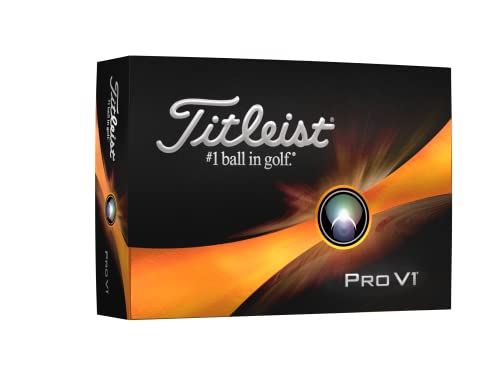
Identifying the right compression rating is vital. High-compression balls like the Titleist Pro V1 (90+ compression) suit players with faster swing speeds by maximizing energy transfer. Lower-compression balls, such as the Callaway Supersoft (35 compression), benefit slower swing speeds by increasing distance and reducing spin off the driver.
Analyzing cover materials ensures proper spin and control. Urethane covers provide enhanced spin and stopping power, making them ideal for low handicappers. Surlyn covers are more durable but offer less spin, better suited for players prioritizing distance and minimizing hooks or slices.
Testing ball flight and trajectory highlights compatibility. If you struggle with ballooning shots, a low-spin ball like the TaylorMade TP5x can improve trajectory. Conversely, players seeking higher launch can benefit from softer, higher-spinning options like the Bridgestone Tour B XS.
Considering how the ball feels during putting and chipping further refines your choice. Firm balls deliver feedback and consistency most low handicappers prefer, while softer balls enhance touch for golfers with a more feel-based short game approach. Testing these factors on and off-course narrows down selections to a ball uniquely tailored to your strengths.
Benefits Of Custom Fitting
Custom-fitting golf balls elevates your game by aligning your equipment with your skills and playing style. It transforms how you approach every shot.
Enhanced Performance
Matching a ball to your swing mechanics improves distance, accuracy, and consistency. A low-compression ball suits a slower swing speed, maximizing energy transfer for better yardage. Conversely, high-compression options deliver control and stability for quicker swings. Testing different dimple designs optimizes trajectory and spin, helping you trust your ball in various conditions.


Injury Prevention
« Cost Analysis: Price Points for Different Constructions and How to Optimize Your Budget
Best Golf Balls for Left-Handed Players: Top Picks to Elevate Your Game »
Using a ball poorly suited to your game may increase strain on your body. The right compression ensures less stress during impact, especially in your wrists and elbows. For example, if you rely on softer strikes for wedge shots, selecting a durable yet flexible ball minimizes potential overuse injuries and keeps you playing pain-free.
Improved Comfort And Control
A properly fitted ball feels seamless when you swing, adding confidence to your short game and putts. A urethane cover provides superior grip on the greens, helping you stop the ball where you visualize it. Whether you’re executing delicate chips or sinking critical putts, a custom-fit ball improves your touch, making every stroke more precise.
Factors To Consider In Custom Fitting Balls
Choosing the right golf ball for your game isn’t just about picking one off the shelf. It’s about finding a ball that matches your skills, swing, and playing style to maximize your performance.
Player Skill Level
Your skill level plays a critical role in selecting a golf ball. As a low handicapper, you benefit from premium balls designed for greater control and workability. Urethane-covered balls like the Titleist Pro V1 or Bridgestone Tour B XS give you superior spin and precision for shaping shots. If your short game is a strength, prioritize balls offering soft feel and greenside spin, helping you save strokes around the green.
Lower-compression balls aren’t ideal for your fast swing speed, as they can cause inconsistent distance and control. Instead, high-compression options optimize energy transfer, giving you the power and accuracy needed to compete at your level.
Sport-Specific Requirements
Golf ball performance varies based on the game’s demands. As a golfer, you need a ball that combines distance, spin, and durability. Look for models with multi-layer construction to balance long-game performance with short-game finesse. A ball with a high initial velocity and consistent flight, such as the TaylorMade TP5x, supports distance off the tee while maintaining excellent spin control for irons and wedges.
Consider the conditions where you play most often. For windy courses, low-spin balls with a penetrating flight reduce side spin, keeping shots on target. If you play on softer greens, balls with higher spin provide better stopping power.
Material And Design Preferences
Understanding your preferences for material and design is essential. Urethane-covered balls offer unmatched spin and feel, making them a top choice if you value shot versatility and control. Dimples impact aerodynamics, so balls with shallower or sharper patterns like Callaway Chrome Soft X reduce drag and maximize launch for high-speed swings.
Also, check the construction type. Multilayer balls with dual cores and mantle layers provide advanced energy transfer, optimizing trajectory and distance. Solid core designs improve consistency and minimize force loss during impact, ensuring superior performance for stronger players.
How Custom Fitting Works
Custom fitting golf balls involves analyzing your game and matching a ball to your specific swing characteristics, playing style, and skill level. This process ensures you get the most out of every shot, from tee to green.


Assessment Process
The first step in the process starts with evaluating your swing dynamics. A professional fitter measures key factors like swing speed, launch angle, and spin rate. These numbers help narrow down the ball types best suited for your performance. For example, if your swing speed is above 105 mph, you might benefit from high-compression balls for better control and distance.
On-course testing provides an intimate look at how different balls react in real-time. Testing includes driving, approach shots, chipping, and putting. Observing ball flight, spin, and feel on the greens helps you understand how the ball matches your needs.
It’s crucial to test how a ball performs under various conditions, like windy days or soft fairways. Factors like trajectory and stopping power influence game consistency.
Customization Options
Golf balls are available in a range of configurations to meet the demands of different players. You can customize compression levels for optimal energy transfer. Lower compression balls work better for players with slower swing speeds seeking greater distance, while higher compression options suit faster swings for enhanced control.
Cover materials, usually urethane or ionomer, play a significant role in spin and feel. Urethane covers offer maximum spin and softer touch, ideal for finesse shots around the green. For more durability and distance, ionomer-covered balls are a practical choice.
Dimple patterns contribute to ball flight. A ball with fewer dimples often produces a lower trajectory, while designs with more dimples promote a higher flight. Testing these patterns is critical to find the ideal launch conditions for your game.
Advanced Technology In Ball Fitting
Modern ball fitting integrates advanced technologies for precision. High-speed cameras and launch monitors like TrackMan collect detailed data on ball flight, spin axis, and total roll. This data ensures the recommended ball aligns with your performance metrics.
Some fittings include pressure sensors to analyze energy transfer during impact. These insights help identify the best ball compression level for your swing to optimize power and reduce stress on the body.
Virtual simulations and AI-based analyses allow you to explore various ball options tailored to your preferences, even before heading to the course for testing. Such tools make fitting faster and more accurate, ensuring you leave with a ball that perfectly matches your game.
Real-World Examples Of Custom Fitting Success
Custom fitting golf balls delivers noticeable results, and many golfers experience significant improvements once they match the right ball to their game. For instance, one player with a swing speed of 95 mph found a mid-compression ball optimized their distance and control. By analyzing their launch angle and spin rate, the fitting process fine-tuned their ball choice, eliminating excessive spin and boosting carry distance by 15 yards.
Another golfer who struggled with consistency on approach shots saw similar breakthroughs. By switching to a higher-spinning urethane-covered ball, they gained more control over ball flight and improved stopping power on the greens. This adjustment translated into lower scores, particularly for shots within 100 yards, where precision is critical.
One notable example involves a player who often underperformed during windy conditions. Upon testing various dimple patterns, they discovered a low-drag design that reduced wind resistance and stabilized the ball flight. This change provided more confidence during blustery rounds, helping them adapt to challenging environments without compromising their performance.
Short-game improvement also highlights custom-fitting success. A golfer known for their accuracy struggled with feel on the greens. Testing revealed a softer ball with a satin-like urethane cover offered better feedback during putts and chips. This adjustment not only enhanced their touch around the greens but also reduced mishits, adding consistency to their scoring.
Professional examples underline the importance of tailored choices. Tour-level players often rely on specific compression ratings and spin profiles to optimize their performance. For instance, fitting ensures high-compression balls cater to their faster swing speeds while maximizing distance and control. By observing their meticulous fitting process, you can understand how customizing the right ball benefits amateurs just as effectively.
The fitting process itself builds confidence by showing measurable performance improvements. Watching metrics like spin, launch, and ball speed improve validates your new setup, encouraging you to trust your ball on every shot.
Tips For Choosing The Right Custom Fitting Service
Selecting a custom fitting service is key to finding the right golf ball for your game. Focus on services that prioritize detailed assessments and high-tech tools to deliver accurate recommendations.
- Evaluate Their Expertise
Opt for services with skilled professionals who understand golf ball performance metrics like compression, spin rates, and dimple patterns. Look for certifications or affiliations with reputable brands to ensure they’re knowledgeable.
- Check Their Equipment
Services using advanced tools like launch monitors, swing analyzers, and high-speed cameras provide more precise data. Access to these technologies ensures your fitting is tailored to your specific swing.
- Review Their Process
Ensure they assess critical factors like your swing speed, launch angle, and spin rate. On-course testing options enhance accuracy by providing real-world data.
- Consider Their Customization Options
Verify that they offer a variety of ball options, covering different compression levels, cover materials, and designs. Services with multiple choices increase the likelihood of matching your performance style.
- Look For Feedback From Golfers
Read reviews or ask fellow golfers about their experiences with the service you’re considering. Positive feedback can indicate quality and reliability.
- Confirm Their Support For Testing
Services that allow you to test different balls in varying conditions enable you to make informed decisions. Testing reflects how a ball performs in actual play, not just in simulations.
Using a fitting service with proven expertise and comprehensive tools ensures you leave with a golf ball optimized for your skill set and playing style.
Conclusion
Custom fitting balls to your specific skill set is a game-changer. It’s not just about improving your performance but also about boosting your confidence and comfort on the course. The right ball can elevate your game, protect your body, and help you play with precision and consistency.
By investing in a proper fitting process, you’re setting yourself up for success. Whether you’re a seasoned pro or just starting out, taking the time to find a ball tailored to your style can make all the difference. Your game deserves that extra edge.