Playing golf in the desert comes with its own set of challenges. The scorching sun, dry air, and sandy terrain can take a toll on your game if you’re not prepared. While you might focus on hydration and sun protection, the type of golf ball you use can make a surprising difference in how well you perform.

In arid conditions, the right golf ball can help you maintain control, optimize distance, and withstand the harsh environment. Not all golf balls are created equal, and some are better suited for the unique demands of desert courses. By choosing wisely, you’ll not only improve your game but also enjoy the experience more, even under the blazing sun.
Understanding Desert Golfing Challenges
Playing golf in the desert presents unique obstacles. High temperatures and rough, dry terrain create conditions where your gear, especially your golf ball, directly affects your performance.
High Temperatures Effect on Golf Balls
Extreme heat softens a golf ball’s core and cover, reducing energy transfer at impact. This results in diminished distance and inconsistent flight. In desert conditions, using a ball with a firmer compression maintains performance under thermal stress. High-quality urethane-covered balls, like Titleist Pro V1x or Bridgestone Tour B X, retain spin and control even in elevated temperatures. Avoid storing balls in the trunk or other spaces where heat exposure is prolonged.
Impact of Dry and Rough Terrain
Desert courses feature firm fairways, sparse vegetation, and hardpan lies. The combination strains ball durability and performance. Balls with tough covers, such as ionomer or dual-layer designs, resist scuffs and abrasions from coarse surfaces. Opt for golf balls designed for enhanced roll on hard fairways, like Callaway Chrome Soft X LS, to maximize distance. Softer balls, while excellent on damp turf, struggle in desert roughs, often losing control on approach shots.
Features to Look for in Golf Balls for Arid Environments
Playing in desert conditions demands more from your golf ball than traditional courses. With the right features, you can tackle heat, sand, and firm terrain effectively.
Durability and Heat Resistance
In high desert temperatures, golf balls face significant thermal stress. Opt for balls with firmer compression cores and urethane or ionomer covers to maintain performance. These materials resist softening in the heat, preserving energy transfer for consistent ball flight. Durable covers also protect against scuffs from desert roughs and hardpan lies. Consider models like the Bridgestone Tour B X or Titleist Velocity, which combine heat resistance with reliable toughness for harsh conditions.
Enhanced Visibility in Sand
Desert courses often feature expansive bunkers and light-colored terrain that can hide your ball. Brightly colored options, such as yellow, orange, or neon green golf balls, improve visibility in sand, making it easier to track shots. Matte finishes can also reduce glare under intense sunlight. Popular choices include the Volvik Vivid or Srixon Q-Star Tour Divide, which offer clear contrast against sandy backdrops.
Optimal Spin and Control on Hard Surfaces
Firm fairways and hard greens in arid environments require precise spin and control. Look for balls crafted with multi-layer designs to enhance both spin and stopping power. Urethane covers are ideal for gripping the clubface on wedge shots, offering added control around the green. For example, the Callaway Chrome Soft X LS generates excellent spin rates for approach shots while maintaining distance on harder desert fairways.

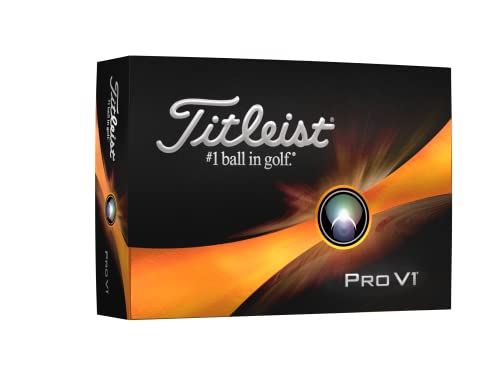

Top Golf Balls for Desert Conditions
« High Launch Angle Golf Balls: Boost Your Distance, Control, and Confidence on the Course
Golf Balls with Unique Core Technologies: Boost Your Distance, Spin, and Performance »
Selecting the right golf ball for desert environments is essential for optimizing performance. Factors like extreme heat, firm ground, and sandy terrain make choosing wisely even more critical.
Premium Golf Balls for Professionals
For low handicappers, premium balls designed for precision and control stand out in desert conditions. Titleist Pro V1x delivers a firmer feel, exceptional distance, and high durability even on abrasive fairways. Bridgestone’s Tour B X combines a firm core with a urethane cover, ensuring stability in high heat while maintaining excellent greenside spin. If you’re seeking versatility, the Callaway Chrome Soft X LS adds distance and low spin off the driver but maintains control when dealing with firm greens. These balls not only resist heat deformation but also enhance performance on harder, arid courses.
Budget-Friendly Options for Recreational Players
Budget-friendly choices can still perform well in arid environments. Srixon Q-Star Tour is a standout, offering a urethane cover for better spin and control, alongside a durable design for rough desert terrain. TaylorMade’s Tour Response provides exceptional feel and good heat resistance while remaining cost-effective for casual rounds. Vice Pro Soft offers excellent value with a durable ionomer cover and bright color options that improve visibility in sand-heavy conditions. These options give you reliable performance without breaking the bank.
Tips for Maintaining Golf Balls in Arid Climates
Desert conditions can be tough on your golf balls, affecting performance and longevity. Proper maintenance ensures they stay in top shape during your rounds.
Cleaning and Storage Advice
Clean your golf balls after every round, especially in sandy environments. Use a soft-bristled brush and warm, soapy water to remove grit without damaging the cover. Avoid abrasive tools that could scuff or scratch the ball’s surface, as these imperfections reduce spin control and distance.
Store your golf balls in a cool, dry place. High temperatures in desert climates can soften the core, leading to inconsistent flight performance. Instead of leaving them in your car or exposed to direct sunlight, keep them in a shaded bag pocket or a temperature-controlled area to maintain their optimal condition.
Preventing Damage from Heat
Protect your golf balls from prolonged heat exposure. Desert heat can affect compression and reduce the ball’s resilience over time. Use insulating pouches or lined compartments in your golf bag to shield your balls from extreme temperatures.
Rotate your golf balls regularly during play. This minimizes any thermal impact on a single ball, especially during extended rounds. Carrying extra balls allows you to switch as needed, ensuring consistent performance even in scorching conditions.
Conclusion
Playing golf in the desert comes with its own set of challenges, but with the right preparation and equipment, you can elevate your game. Choosing golf balls designed for durability, heat resistance, and optimal performance on firm terrain makes all the difference.
By paying attention to features like compression, cover material, and visibility, you’ll be better equipped to handle arid conditions. Pair that with proper care and storage, and you’ll keep your golf balls performing at their best round after round.


With the right approach, desert golfing can be an enjoyable and rewarding experience.