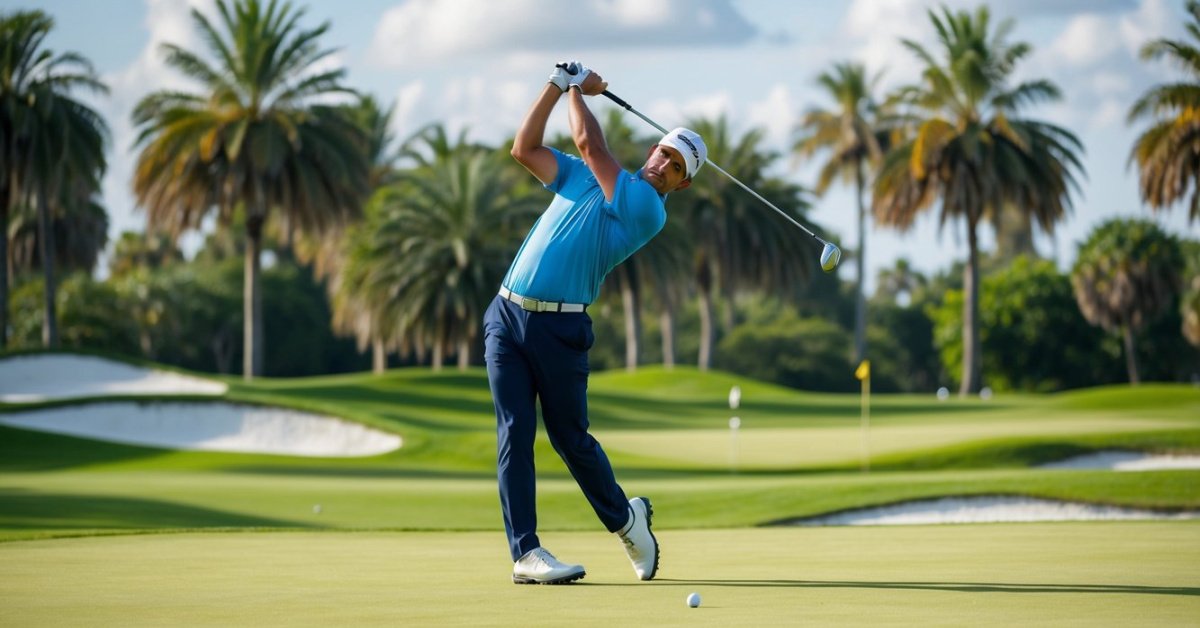
Ever wondered why golf balls have those quirky dimples and what’s beneath that smooth, pearly exterior? Well, you’re in for a treat because we’re diving into the world of golf ball covers. They’re not just there to look pretty; they’re a golfer’s secret weapon.

What are golf ball covers?
When you’re out on the green, scrutinizing your next shot, the last thing you might think about is the cover of your golf ball. But, believe it or not, that cover plays a massive role in your game. It’s not just about aesthetics; the cover can affect everything from spin to durability.
The most common types of golf ball covers you’ll encounter are made from Surlyn or urethane. Surlyn, an ionomer resin, is renowned for its incredible durability. If you often find yourself playing rough, with cart paths and trees being regular playmates, then Surlyn is your go-to. It’s tough as nails and resistant to cuts and abrasions, which means your ball stays in play longer, and your wallet breathes a sigh of relief.
On the flip side, those of you with a soft spot for a soft touch around the greens might lean towards urethane. Urethane covers boast superior spin control and feel, crucial for that delicate finesse needed in short games. Here’s a pro tip: If you’re looking to add a little artistry to your shots, a urethane-covered ball should be in your arsenal. It’ll grip the green just right, making it a favorite among players who prioritize precision over power.
Choosing the Right Cover for Your Game
It’s essential to align your choice of golf ball cover with your playing style:
- For long-lasting performance and cost-effectiveness, Surlyn stands out.
- For exceptional spin control and a softer feel, urethane is unmatched.
Remember, the right ball can complement your skills, potentially shaving strokes off your game. So next time you’re stocking up, give the cover the attention it deserves. Consider your strengths, your typical course conditions, and how the ball’s cover can enhance both. It’s not merely a shell; it’s the interface between your club and your success on the course. Your game deserves that edge, and choosing the right cover is a step in that direction.
The role of golf ball covers
When you’re out on the course, every detail counts, and golf ball covers are no exception. They are your ball’s shield and its enabler, designed to meet the demands of your game. With golf ball technology constantly evolving, understanding the specifics of your ball’s cover can mean the difference between a good shot and a great one.
Surlyn, a type of ionomer resin, is hailed for its tough exterior. If you tend to play hard or find yourself often in the rough, you’ll appreciate the resilience of Surlyn covers. They resist cuts and abrasions, ensuring your golf ball remains in play longer, and you won’t need to replace it as frequently. In terms of performance, Surlyn covers contribute to a lower spin off the tee, which can help if you’re working on reducing a hook or a slice.
On the other flank, urethane covers are prized for their softness which translates into enhanced spin control. If your game strategy involves precise iron shots or you’re seeking that satisfying check-up of the ball on the greens, the tactile feedback from a urethane-covered ball will be up your alley. Designed to compress on impact, these covers allow higher-spinning shots, giving you the edge, especially around the greens, where finesse trumps power.


« Best Golf Ball for Hackers: Boost Distance & Forgiveness Now
Best Golf Ball Under $35: Score Big with Affordable Precision »
Choosing between Surlyn and urethane isn’t just a matter of durability versus control. It’s about aligning with your gameplay. Ask yourself what’s missing in your shot execution. Maybe you need the extra distance Surlyn affords, or perhaps the soft touch of urethane aligns better with your finesse. Each golfer’s journey is unique, and so should be their choice of golf ball cover. Remember, experimenting with different ball types during practice rounds is the best way to determine which cover suits your style before stepping into a competitive round.
The different types of golf ball covers
When you’re on the prowl for the perfect golf ball, you’ll encounter mainly two types of covers that make a world of difference in your play: Surlyn and Urethane.
Surlyn, a form of ionomer resin, is renowned for its tough, cut-resistant exterior. It’s an excellent choice if you’re looking to hit further and achieve lower spin rates off the tee. On the flip side, Surlyn covers may not provide the softness and spin control you desire on the greens.
- Durability – Surlyn balls are incredibly resistant to scratches and nicks.
- Cost-Effective – They tend to be more affordable than their urethane counterparts.
- Lower Spin – Ideal for players struggling with hooking or slicing.
On the other end of the spectrum sits urethane, the choice of many tour professionals. It’s softer than Surlyn and gives you that extra spin control and feel that’s crucial during short games.
- High Spin – Offers greater control with iron shots.
- Soft Feel – Delivers a responsive touch around the greens.
- Premium Construction – Urethane balls are often layered, enhancing performance.
Before making your choice, ponder on your playing style. Do you prioritize distance and durability, or do you lean towards finesse and control? Although it’s tempting to simply copy the pros, remember that their highly-calibrated swings might not mirror your own. Your best bet is to test out both during practice rounds and assess which cover type syncs with your game rhythm.
It’s worth noting that innovations in golf ball technology have blurred the lines between the two types. Manufacturers are constantly pushing the envelope, creating hybrids that aim to offer the best of both worlds – durability matched with touch and fines. The trick is to find that sweet spot where performance, feel, and cost intersect, fitting neatly into your skillset and preferences. Keep an open mind and don’t be afraid to experiment with new advancements hitting the shelves.
The characteristics of Surlyn covers
Surlyn, a form of ionomer resin developed by DuPont, is renowned for its durability and abrasion resistance. If you’re the type of player who frequents the rough or encounters their fair share of cart path bounces, Surlyn-covered balls are your best bet for longevity.
You’ll notice less spin off the tee with a Surlyn cover which can aid in achieving those well-sought-after straight shots. This characteristic suits you if your swing speed isn’t on par with the tour pros and you’re looking to maximize distance. Yes, you might sacrifice some feel around the greens, but your drive will thank you for it.
Performance in Various Playing Conditions
Surlyn’s resilience really shines in all sorts of playing conditions, particularly if you’re playing a course with firm fairways or in windy conditions. The ball’s lower spin can minimize the negative effects of a gusty day, helping your ball stay on the intended line. What’s fantastic about Surlyn is that it works really well in cold weather. Its firmer feel isn’t dramatically affected by temperature, so you can count on consistent behavior year-round.
Impact on Different Styles of Play
Let’s talk about how a Surlyn cover can influence your style of play. If you’re more of a power player who takes full advantage of each stroke, the reduced backspin on your long game helps your ball roll out further. On the flip side, if you rely heavily on finesse and a softer touch in your short game, it’ll take some practice to get used to the less responsive nature of Surlyn. It’s crucial to keep in mind that while strategies and shots can be adapted to suit the ball, some trade-offs have to be made.


The engineering behind Surlyn-crafted golf balls is impressive. Its two-piece construction is designed to be a boon for golfers who put a premium on driving distance and cut-resistant play. Remember, practice rounds are your playground for finding the ball that complements your game to a tee. So, grab a sleeve of Surlyn-covered balls next time and see how they fare against your usual game.
The characteristics of Urethane covers
When you start looking at Urethane-covered golf balls, you’ll notice they cater to players seeking premium performance. Urethane is softer than Surlyn, which means improved feel and enhanced control around the greens. If you’re the type of golfer who thrives on shaping shots and putting a serious amount of spin, then these characteristics are likely to appeal to you.
These covers typically feature on tour-level balls and are favored by many low handicappers and professionals. The reason for their popularity is the high-spin performance, especially on approach shots and pitches. This can be a game-changer for your scoring potential. Urethane covers compress more on impact, helping to create that backspin coveted by skilled players.
An important aspect of Urethane to keep in mind is its durability. While exceptionally good at providing spin and control, they may show signs of wear more quickly than Surlyn covers. This doesn’t necessarily decrease the performance, but if you’re someone who prefers their golf balls looking pristine round after round, it’s something to consider.
The decision to switch to Urethane can also be influenced by the course conditions you often play in. If you’re frequently on well-manicured courses with quick greens, the extra spin and softer feel will give you an edge. That softness can mean a difference in sound and feel at impact, which can affect your confidence and ultimately, your performance on the course.
Responsive Feedback is another standout feature of Urethane-covered golf balls. Getting immediate tactile feedback can help you make quick adjustments to your strokes, contributing to a more consistent game over time. However, with all these advantages, Urethane may not be the best choice for every golfer. The increased spin and softer feel may take some adjusting to, especially if you’re transitioning from Surlyn covers. It’s all about finding what works best with your swing and style.
The benefits of Surlyn covers
Diving into the world of Surlyn covers, you’ll find that they offer several advantages that can appeal to golfers of varied skill levels. Surlyn, a form of ionomer resin, is notably durable and resistant to cuts and abrasions. This means, for you as a golfer, your golf balls are going to last significantly longer, even after multiple rounds on the course.
- Longevity: Surlyn-covered golf balls withstand the test of time and the elements.
- Resiliency: They maintain their appearance and performance after striking trees, cart paths, or the occasional rock.
Surlyn also excels at producing straighter shots which is crucial when you’re tackling tight fairways or battling the wind. This type of cover tends to lower spin rates compared to Urethane, which means your ball won’t curve as much in the air and could lead to improved accuracy off the tee. It’s a feature particularly beneficial to high handicappers who are working on consistency.
- Straight Shots: Lower side spin helps your shots stay on target.
- Wind Resistance: Improved performance in less-than-ideal weather conditions.
When it comes to the cost-effectiveness, Surlyn-covered golf balls provide substantial value. They’re typically less expensive to produce than Urethane, leading to a friendlier price point. This makes Surlyn balls an excellent choice for the casual golfer or those on a budget.
- Affordability: More bang for your buck without compromising durability.
- Accessibility: Widely available in various models to suit different preferences.
In terms of feel, Surlyn covers tend to be firmer, which can translate to more distance for those with moderate swing speeds. You might notice an extra few yards on your drives, especially if you’re not swinging out of your shoes. While Urethane might have the edge on softness and spin around the greens, Surlyn doesn’t fall too far behind, providing a fair amount of control for most players.
- Distance Gain: Potential for longer drives with a firm feel.
- Control: Adequate greenside performance for the average golfer.
Choosing Surlyn covers could significantly influence your game, particularly if you value durability, consistency, and value. Remember, matching the right golf ball to your style of play can give you an edge – assess the conditions you regularly play in and make your choice accordingly.
The benefits of Urethane covers
When it comes to enhancing your game, urethane covers are the go-to for many skilled players like yourself. Urethane golf ball covers are renowned for their soft feel and high spin capabilities, especially around the greens. This type of cover is typically found on premium golf balls and is favored by low handicappers and professionals.
What urethane offers is a level of control that can’t be understated. You’re more likely to achieve that backspin that sucks the ball back toward the hole on approach shots, something that’s much harder to do with Surlyn-covered balls. This is due to urethane’s softer cover which has higher friction coefficients that grip the grooves of irons and wedges more effectively. Here’s what you can expect:
- Enhanced Spin Control: Urethane covers significantly increase the backspin on pitch and chip shots.
- Improved Feel: The softer material provides a superior feel upon contact, which can enhance your ability to judge distance and finesse shots.
- Increased Scoring Potential: The spin control and soft feel can lead to closer approach shots and potentially more birdie opportunities.
Another pivotal advantage is the performance in terms of durability. While urethane is softer than Surlyn, modern advancements have made them tough enough to withstand typical wear and tear, just not as much as Surlyn. Your urethane-covered golf balls won’t scuff up as quickly on rough cart paths or from the occasional tree encounter, keeping them in play for longer.
It’s not just about the greenside, either – urethane covers benefit your game off the tee, too. They’re designed to have a lower initial spin rate when you’re smacking the ball with a driver or wood, which can translate into impressive distances. However, once you find yourself within the scoring zone, the cover’s properties kick in to give you that much-needed control.
Given these aspects, choosing a urethane-covered golf ball might elevate your game. It’s like having a secret weapon that works in your favor when precision and short game performance are paramount.
The drawbacks of Surlyn covers
Even though Surlyn covers offer numerous benefits, you’ll want to consider a few drawbacks if you’re aiming to refine your golfing skills further. One of the most significant disadvantages is the limited feel and control on and around the greens. As a low handicapper, you’re likely to appreciate the importance of a soft touch and the ability to work the ball, which Surlyn covers might not fully deliver.
Surlyn-covered golf balls don’t provide the same level of backspin that you can achieve with urethane, which can be a big deal when you’re trying to stick the ball close to the pin. Since you rely on your short game to save par or make birdie, this reduced spin can limit your ability to control shots and thus, potentially affect your scoring.
Shot shaping is another area where Surlyn falls short. If you enjoy curving the ball on demand – working a draw or fade – you’ll find that Surlyn covers are less responsive due to their lower spin rates. While they’re great for hitting straight shots, they might not give you the creative freedom you need on the course.
Moreover, the firmer feel of Surlyn can be off-putting for some. It’s a noticeable difference when you strike the ball, and you might find that this firmer sensation doesn’t translate well on the putter face, affecting your ability to judge distances on the greens. This can have subtle but impactful consequences on your putting game, which is crucial for any low handicapper.
Lastly, when it comes to longevity, there’s a trade-off. Sure, Surlyn covers are more durable and resistant to cuts, but this very toughness can impact playability over time. The ball might not lose its shape, but it can start to feel different as it ages, affecting its performance. You’re likely to be attuned to these nuances and may prefer the consistent performance of a softer-covered ball.
The drawbacks of Urethane covers
While Urethane covers may seem like the ultimate choice for high-level players like yourself, there are certain aspects that may influence your game negatively. Urethane is renowned for its feel and spin capabilities, which are crucial for shot shaping and green-side control. However, this material does have its shortcomings.
First off, durability is a concern with Urethane covers. You’ve probably experienced this yourself; these types of golf balls are more prone to cuts and scuffs from normal play, particularly when your shot encounters cart paths or rough surfaces. This means you’ll have to replace them more frequently than Surlyn-covered balls, which can start to add up cost-wise.
Furthermore, Urethane balls typically come at a higher price point. Your investment in these quality balls is substantial, especially if you’re playing regularly and demand fresh gear for each round to maintain consistency in your game. It’s not just about the initial outlay; it’s a recurring expense as the need for replacements is greater.
From a performance standpoint, you might find that Urethane covers offer less distance compared to other materials. Since they are designed with a softer feel and increased spin, this can sometimes result in reduced length off the tee. For players who prioritize control over distance, this trade-off can be worthwhile, but if you’re looking to maximize every yard, this could be a sticking point.
Lastly, in less-than-ideal conditions, Urethane can deliver less predictable outcomes. Rainy or cold weather can affect their performance more so than the sturdier Surlyn balls. Considering you’re likely playing in all sorts of weather, it’s important to think about how elements like temperature and moisture could affect the playability of your Urethane-covered golf balls.
Remember, identifying the perfect golf ball is about understanding your own play style and balancing the benefits against these potential downsides. Urethane covers can undoubtedly enhance a nuanced game, but they’re not without their flaws. As you refine your skills further, these considerations will guide your choice for the right golf ball cover.
Conclusion
Frequently Asked Questions
What are the main benefits of Surlyn golf ball covers?
Surlyn covers are known for their durability, resistance to cuts and abrasions, and ability to produce straighter shots with lower spin rates. This leads to improved accuracy, especially in bad weather, and they are generally more cost-effective.
How do Surlyn-covered golf balls perform around the greens?
Surlyn-covered golf balls tend to have limited feel and control around the greens due to reduced backspin and less responsiveness, which may affect short game performance and shot shaping.
Are there any disadvantages to using Surlyn golf ball covers?
Disadvantages include a firmer feel which might impact putting, and over time, the performance may change. They also offer less control for experienced players who rely on backspin and finesse in their short game.
What are the typical drawbacks of Urethane golf ball covers?
Urethane covers may not be as durable as Surlyn and can be more expensive. They might also reduce distance for some players and produce less predictable results in diverse weather conditions.
How should I choose between a Surlyn or Urethane golf ball cover?
Consider your play style, skill level, and what aspect of the game you’re looking to improve. If durability and straight shooting are priorities, go for Surlyn. If you need more spin and control around the greens, Urethane might be better, despite the higher cost and potential durability issues.