Ever wondered if those budget-friendly golf balls you’ve been eyeing will affect your game? You’re not alone. It’s a common question whether splurging on premium balls is a necessity or if the affordable options can do the trick.

In this article, you’ll uncover the truth behind the price tag and performance of golf balls. We’ll dive into how they differ and what that means for your swing and your wallet. So grab your clubs, and let’s get to the bottom of this golfing conundrum.
The Difference Between Cheap and Premium Golf Balls
When you’re out on the course trying to shave strokes off your game, the kind of ball you’re teeing up with can be just as crucial as the club in your hand. Premium golf balls are often lauded for their superior performance attributes, while their budget-friendly counterparts are seen as a compromise. But what really sets them apart?
Premium golf balls typically boast a multi-layered design, often with a urethane cover that affords greater control and a softer feel. This facilitates more spin on the green and a more responsive touch, which can make a world of difference in your short game. The inner layers are engineered to promote faster ball speeds and a lower spin off the tee, helping you to achieve longer distances.
Here’s a glance at some key differences:
| Feature | Premium Golf Balls | Budget Golf Balls |
|---|---|---|
| Construction | Multilayer with urethane cover | Two-piece construction |
| Distance | Enhanced by lower driver spin | Generally longer with less control |
| Feel | Soft feel and increased spin for control | Firmer feel and reduced spin |
| Price | Higher | Lower |
Conversely, cheaper golf balls tend to have a simpler two-piece construction with a surlyn or similar type cover that’s more durable but typically provides less feel and control. This might result in more distance off your drives, which sounds appealing, but could cause you to overshoot greens or struggle with placing the ball where you want it.
It’s essential to remember that the cost of golf balls isn’t merely about brand prestige or material costs. Research and development play a large role in the price of premium balls. Manufacturers pour significant resources into designing balls that perform at the highest levels, which means you’re not just paying for the name – you’re investing in technology.
As a low handicapper, you know that finesse and precise ball placement often elevate your game more than sheer distance. Hence, it’s worth considering how these ball characteristics align with your playing style. Would an extra bit of spin or a softer landing help you more than a few extra yards? It might seem like a trivial aspect of your equipment, but the subtleties of golf ball performance are often reflected in the scorecards of the most discerning players.
Factors to Consider When Choosing Golf Balls
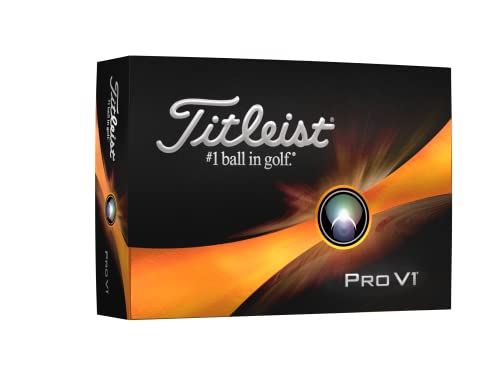
Skill Level plays a crucial role in selecting the right golf ball for your game. If you’re a low handicapper, you’ve likely worked hard to refine your skills and should opt for a ball that complements your precision and control. Premium balls with a multi-layered structure are typically tailored for players like yourself, who prioritize feel and performance over mere distance.


« What Are Golf Balls Made Of? Unveiling Their Surprising Components
Can You Mark Your Golf Ball With Your Putter? Pros & Cons Revealed »
Dive into the Ball Construction to understand what you’re buying. As we’ve discussed, premium balls boast more complex constructions, conducive to shaping shots and adding spin. On the other hand, two-piece balls are designed for durability and distance, advantageous for golfers still mastering their swing.
Swing Speed should also influence your choice. Golfers with faster swing speeds tend to benefit more from high-compression balls that translate that speed into distance and a stable flight path. Conversely, if your swing speed isn’t on the high end, opting for low-compression balls can help you achieve better performance.
Don’t forget about Feel and Control around the Greens. A softer ball typically provides a better sensation on impact and is responsive to subtle techniques when chipping or putting. Pay attention to how the ball reacts during your short game; this factor can significantly affect your scoring potential.
Lastly, consider the Price Point and its justification. While it’s tempting to save money on cheaper golf balls, investing in a premium ball can result in a noticeable difference in your play. It’s not uncommon for more expensive balls to yield dividends on the course through improved feel, control, and consistency.
Remember, the right golf ball for you isn’t the one that’s necessarily the best on the market, but the one that best suits your style of play and the various aspects of your game. Choose wisely, and each stroke you make will reflect the thought you put into your selection.
Impact of Golf Ball Quality on Performance
When you’re out on the course, the quality of your golf ball can have a dramatic impact on your performance. Premium golf balls, typically favored by low handicappers like you, are engineered with advanced technology that affects every aspect of your game. It’s not just about aesthetics; it’s about science and construction that cater to your need for precision and consistency.
Let’s break it down:
- High-quality balls offer better control, thanks to the materials and designs that enhance spin rates. This means when you’re working on your short game, a premium ball is likelier to respond with the exactness you’ve honed over countless rounds.
- The multi-layered structure found in finer balls benefits your long game. The core and mantle are designed to work together, allowing you to optimize your distance while maintaining feel. This is vital when you’re trying to cut down on your strokes to stay under par.
- Durability is another factor. High-performance balls are constructed to withstand the wear and tear of numerous swings, keeping their form—and consequently, their trajectory and spin—much longer than cheaper options. Sure, they might cost more upfront, but they’re built to last, potentially saving you money in the long run.
It’s not just about the price tag or the brand name. Consider the technology packed into each ball:
| Feature | Benefit |
|---|---|
| Urethane Cover | Enhanced greenside control |
| Multi-Layer Construction | Improved energy transfer for distance |
| Optimized Aerodynamics | Consistent flight in varying conditions |
| Progressive Compression Core | Tailored performance based on swing |
Yes, a high-quality ball is an investment, but your skill level demands equipment that can keep up with your precise demands. When every stroke can mean the difference between a birdie and a par, don’t you want the confidence that comes from knowing your ball won’t let you down?
Debunking Myths About Golf Ball Price and Performance
You’ve likely heard the adage: “You get what you pay for.” However, when it comes to golf balls, this notion doesn’t always hold water. Let’s bust some myths and shed light on the reality.


Myth 1: Expensive Golf Balls Always Improve Your Game
It’s tempting to think that shelling out extra cash for premium golf balls will automatically shave strokes off your score. While high-quality balls offer certain advantages, they’re not a magic bullet. Your skill level plays a crucial role; if you’re struggling with the basics, no golf ball, regardless of price, will be an instant fix.
Myth 2: Cheap Golf Balls Can’t Match Premium Ball Performance
Budget-friendly golf balls are often underrated. Granted, they may lack some high-tech features, but they can perform admirably on the course. For beginners, or if you’re prone to losing balls, an affordable option can be a sensible choice, without a significant sacrifice in performance.
Myth 3: The More Expensive the Ball, The Further It Flies
The distance a golf ball travels depends largely on its design and your swing. While certain costly golf balls are engineered for maximum distance, this is not a universal truth. It’s not just about price—it’s about finding the right ball for your play style.
Remember, golf is a game of finesse and skill. The best ball is the one that suits your game, not necessarily the one with the heftiest price tag. Focus on the golf ball qualities that align with your needs—whether that’s more control, distance, or durability. Keep experimenting until you find the ball that feels right, and don’t let myths dictate your choices.
Tips for Finding the Right Golf Balls for Your Game
Selecting golf balls that complement your style of play is crucial to elevating your performance on the course. As a seasoned golfer, you’re already aware of the impact a good golf ball can have. But navigating the array of choices can be tricky. Here’s how you can find the right balls for your game without necessarily breaking the bank.
Identify Your Skill Level
Before diving into the specs of various golf ball brands, assess your skill set. Are you a low handicapper seeking precision or a high handicapper looking for forgiveness? Your skill level will dictate the type of ball you should be after—low-compression balls for beginners or multi-layered ones for seasoned players.
Gauge Your Swing Speed
Your swing speed is a significant factor when choosing a golf ball. If you have a fast swing, a ball with a higher compression will suit you best. Conversely, slower swingers can benefit from lower compression balls that allow for greater distance.
Evaluate the Course Conditions
Always consider the golf course conditions. Soft, urethane-covered balls provide better grip on the greens in wet conditions, while balls with a firmer feel may perform better in the wind.
- For long, dry courses, go for extra distance.
- For technical courses, focus on control and precision.
Practice with Various Brands
Don’t just take the word of manufacturers as gospel. Experiment with different brands and models to figure out what works best for you. Pay attention to:
- How the ball feels off the clubface
- The level of control you have
- The ball’s behavior in different situations
Focus on Mid-Range Priced Balls
Cost-efficiency is key. Mid-range balls often have a reasonable compromise between performance and price. You don’t have to default to tour-level balls; find the sweet spot that offers you good performance without the premium cost.
Remember, while there’s no one-size-fits-all answer to the perfect golf ball, by taking these points into account, you’ll be well on your way to finding a ball that complements your game beautifully. Keep in mind that regular practice and playing with the right equipment for your abilities will invariably lead to improvements on the scorecard.
Conclusion
Frequently Asked Questions
What factors should be considered when choosing golf balls?
Choosing the right golf balls involves considering your skill level, swing speed, the course conditions, and experimenting with different brands. It’s also beneficial to focus on balls that offer a balance between cost and quality.
How does golf ball quality affect performance?
High-quality golf balls can significantly enhance player performance by providing better control, optimized distance, durability, and superior greenside control. This results from advanced technology like multi-layer construction and urethane covers.
Why do low handicappers prefer premium golf balls?
Low handicappers favor premium golf balls because they are designed with advanced technologies that aid precision and consistency in every aspect of their game, from driving to putting.
What technologies are packed into high-quality golf balls?
High-quality golf balls may feature a urethane cover, multi-layer construction, optimized aerodynamics, and a progressive compression core, all of which contribute to improved overall performance on the golf course.
What tips are offered for finding the right golf balls?
The article provides tips including identifying your skill level, gauging your swing speed, evaluating the course conditions, practicing with different brands, and focusing on mid-range priced balls to find the most suitable golf ball for your game.
Is it important to choose golf balls based on myths?
No, it is not advisable to base your choice of golf balls on myths. Instead, focus on finding the right ball that complements your game through personal experience and performance attributes.