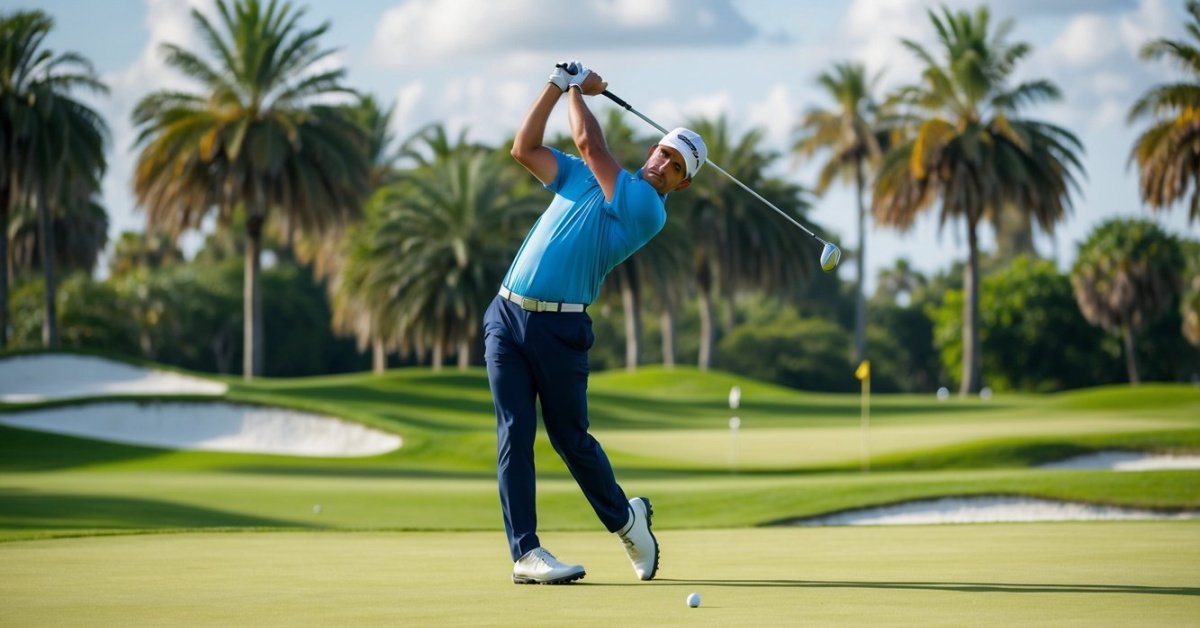
Ever wondered if the brand of golf ball you tee up can actually make a difference in your game? You’re not alone. With a myriad of brands promising to enhance your performance, it’s easy to get caught up in the hype.

Factors to Consider When Choosing a Golf Ball Brand
When you’re on the hunt for the perfect golf ball, brand reputation might be your first consideration. But let’s dig deeper into what truly matters. It’s not just about the slick ads or the pro endorsements; the performance of a golf ball can be a game-changer.
Golf Ball Construction
You should know that golf balls come in various constructions – from two-piece balls designed for beginners seeking distance to multi-layered ones for players like yourself who demand more control and spin. Here’s a brief rundown:
- Two-piece balls: Durable and designed for maximum distance
- Three-piece balls: Offering a balance of distance and control
- Four and five-piece balls: Advanced construction providing targeted performance benefits
Compression Rating
Next, consider the compression rating. This measures the deflection a golf ball undergoes when it’s struck. If you’ve got a fast swing speed, higher compression balls will be your allies. They’re designed to offer the control you need. Conversely, lower compression balls compress more easily and can help if your swing is not as fast, but they may not offer the same level of control.
Spin and Feel
The spin a ball generates is crucial. As a low handicapper, you know that a higher-spinning ball can give you an edge in control around the greens, but remember that it might also accentuate hooks or slices off the tee.
And don’t underestimate the importance of the feel. Some golfers prefer a softer feel, while others want a firmer feedback from their golf ball. It all comes down to personal preference and how that feeling translates into confidence on the course.
Price Point
Let’s talk budget. Premium balls come at a premium price, but that doesn’t mean you can’t find a suitable ball at a lower price point. Consider how often you play and the attrition rate of your golf balls. It might not make sense to invest heavily in balls that frequently find the water hazards or the deep rough.
By considering these factors – construction, compression, spin, feel, and price – you’ll be armed with the knowledge to select a golf ball that complements your game, without getting too caught up in the brand hype. Remember, it’s about finding a balance that works for you and your love for the game.
The Science Behind Golf Ball Construction
When you’re trying to maximize your golf game, understanding the nitty-gritty of golf ball construction can be a massive advantage. Different layers serve unique purposes in influencing the ball’s behavior. Typically, golf ball layers range from one to five, each designed to affect the distance, spin, and control you get out of your shot.


« Which Golf Balls Are Made in the USA? Discover Top American Brands
What If a Golf Ball Hits Your Car: Steps to Handle the Damage & Claims »
The core of the golf ball is where the magic starts. The core’s composition is crucial as it impacts the energy transfer from your club during a strike. A core made with a large, solid rubber usually provides more distance, making it a favorite among players like you who have a low handicap.
Surrounding the core, the additional layers—made of materials like urethane or ionomer—determine the ball’s feel and spin characteristics. A multilayer ball can provide a softer feel and increased spin, which might be something you’re looking for to add precision around the greens.
Let’s dive into the cover, which is much more than just a protective shell for the core and mantle. The cover’s thickness and dimple pattern play a significant role in aerodynamics, affecting the trajectory and stability of the golf ball in flight. Covers with a thin urethane layer tend to allow for higher spin rates and better stopping power on the greens—a clear benefit if touch and finesse are paramount in your game.
It’s also worth considering the compression rating of the golf ball. As a rule of thumb, the faster your swing speed, the higher compression ball you can handle. This allows the ball to deform and compress at impact, giving you that satisfyingly explosive launch. Low compression balls, on the other hand, compress easily for those with slower swing speeds, providing maximum distance.
Recognizing these construction details can help you make an informed decision about which golf ball can best complement your skill set. Remember, the goal is to enhance your performance, and a little understanding of the science can go a long way.
Understanding the Impact of Different Ball Brands on Distance
When you’re sizing up your next shot, you’ve probably wondered if the brand of golf ball you’re about to smash down the fairway really affects the distance it will travel. Variety in golf ball construction means that brands do indeed impact how far your shots can travel.
Leading brands invest heavily in research and development to ensure their golf balls offer superior performance. They often boast proprietary technologies in the core and cover that are designed to maximize distance for specific swing types. The core is where the magic happens; it’s basically the engine of the golf ball. Brands like Titleist and Callaway have developed cores that permit high-energy transfer from the clubface to the ball, resulting in longer drives.
Layering also plays a crucial role. Multi-layer balls, typically found in premium brands, actually combine layers with different characteristics to aid in transferring energy efficiently. This results in longer shots without sacrificing the feel of the ball on impact. The materials used for these layers are often branded secret recipes that are touted to give you an extra edge in distance.
The dimple pattern may seem like it’s just for aesthetics, but it’s integral to reducing drag and influencing lift, directly impacting distance. Each brand has a unique dimple design, tailored to optimize the aerodynamics of their balls. For example, Nike’s RZN balls had a pattern intended to reduce air resistance and maximize the distance covered by the ball.
Here’s a quick breakdown of how leading brands stack up with their distance-oriented models:


| Brand | Model | Core Technology | Dimple Design | Distance Claim |
|---|---|---|---|---|
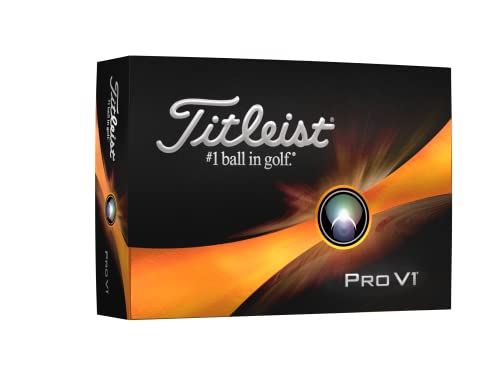
| Titleist | Pro V1 | ZG Process Core | Spherically-Tiled 352 Tetrahedral Dimple Design | ‘Longer Distance’ |
| Callaway | Chrome Soft | Dual SoftFast Core | HEX Aerodynamics | ‘Ultra-Low Compression for Increased Distance’ |
| Taylormade | TP5 & TP5x | 5-Layer Construction | Tri-Fast Core | ‘Complete Performance and Distance’ |
| Bridgestone | TOUR B | Gradational Compression Core | Dual Dimple Design | ‘Increased Distance and Consistency’ |
Spin Rates and the Role of Golf Ball Brand
When you’re fine-tuning your game, understanding spin rates is key, especially when choosing the right golf ball. Spin rate can determine the height and distance of your shot as well as the degree of control you have approaching the green. Different brands employ unique technologies to influence the spin rates of their balls, tailored to different types of swings and conditions.
The core and cover materials play significant roles in spin characteristics. Typically, Urethane-Covered Balls from premium brands offer higher spin rates, which might serve you well when you desire more workability and precision. Tour-level balls often combine multi-layer constructions with softer covers to enhance this effect. For a penetrating ball flight and less spin off the tee, options such as surlyn-covered or two-piece balls from various brands might better suit your game.
Another element under the brand’s control is the Dimple Pattern, which not only affects distance but can also influence spin. A shallower dimple can reduce spin, particularly useful in windy conditions, whereas deeper dimples can increase spin, aiding in stopping the ball on the green.
Deciphering Brand Claims
Nearly every brand will tout their balls as having optimal spin rates for certain types of shots. For instance, Titleist promotes its Pro V1 and Pro V1x as having different spin rates to suit player preferences, with Pro V1x typically yielding higher spin and a steeper angle of descent.
TaylorMade’s TP5 and TP5x, similarly, are engineered with a 5-layer construction to optimize spin rates for all clubs, giving you a choice based on your swing speed and style.
Bridgestone uses its Seamless Cover Technology in their Tour B series, aimed at reducing drag for greater distance while controlling spin rates around the greens.
To really see the difference, you’ll need to hit the course with a few options. Try conducting a personal test with wedge shots, full iron swings, and driver hits to gauge performance. The key is to match the spin rates that the golf ball yields with what you need for your game. Assess how the ball’s reaction on the green aligns with your expectations.
Remember, selecting the right golf ball brand can be just as important as choosing the right club. It’s about finding the ideal match to complement your swing and amplify your game on the course.
Is There a Difference in Feel with Different Golf Ball Brands?
Ever notice how some golf balls just feel ‘right’ off your clubface? That sensation is no coincidence. It’s the result of meticulous engineering by golf ball brands dedicated to creating a specific feel. When you strike a golf ball, the feel is determined by the materials used in the ball’s construction. Urethane, which is often used in premium golf balls, generally gives a softer feel and allows for more backspin, while Surlyn usually leads to a firmer feeling when struck.
Golf balls with a higher-end urethane cover might feel softer and more responsive with your scoring clubs, allowing for better feedback on each shot. This softness enhances your ability to shape shots and control approach angles. Conversely, distance balls covered with Surlyn or similar materials may feel harder and less forgiving. However, they often lead to longer and straighter drives, which could be what you’re looking for in a long game.
The inner layers also play a significant role in the feel. Multilayered balls offer varied levels of compression. A ball with low compression can be particularly helpful if your swing speed is not Tour-level; it compresses more easily upon impact, therefore, feeling softer. In contrast, high-compression balls require a faster swing speed to achieve the same effect but can often provide a more profound sense of control to skilled players.
It’s worth noting that weather conditions can influence the feel of a golf ball, with colder weather making the ball feel harder.
To really grasp how different brands affect your perception of feel, you’ll want to:
- Try a variety of golf balls during practice.
- Pay attention to the feel of the ball on chip and pitch shots as well as full swings.
- Consider both the firmness of the ball and the feedback it provides.
Selecting the perfect ball for your game means aligning brand characteristics with your individual preferences for feel and performance. Your best shot might just be a swing away with the right ball that matches your touch and technique.
Conclusion
So you’ve seen that the brand of golf ball you choose can indeed influence your game. It’s all about the feel and how each shot resonates with your play style. Whether it’s the soft embrace of a urethane cover or the assertive firmness of Surlyn that you prefer, there’s a ball out there that fits your needs. Remember to test out different options and trust your instincts on the course. After all, the right golf ball can be a game changer, enhancing your performance and enjoyment of the game. So go ahead, find your perfect match, and watch your shots soar.
Frequently Asked Questions
What impact does a golf ball’s cover material have on the feel of a shot?
The cover material significantly affects the feel of a golf ball. Urethane provides a softer feel and increased backspin, while Surlyn leads to a firmer feel and is generally more durable.
How does the construction of a golf ball influence its feel?
The construction of a golf ball, from its cover to the inner layers, influences the feel. A low compression core results in a softer feel, whereas a high compression core is designed for more control, feeling firmer upon impact.
Can weather conditions affect the feel of a golf ball?
Yes, weather conditions can alter the feel of a golf ball. Cold weather typically makes the ball feel firmer, while warm conditions can make it feel softer.
How can golfers find the best ball for their game?
Golfers should experiment with various brands and types of balls, pay close attention to the feel on different shots, and assess both the firmness and the feedback they receive upon contact to choose the best ball for their play style.