Ever found yourself on the green, taking swing after swing, and just not hitting the mark? You’re not alone. The quest for the perfect golf ball that complements your game is a common one. And guess what? It’s not just about your swing; the golf ball you choose can make a world of difference.

What Makes a Golf Ball Easy to Hit?
When you’re on the course, the right golf ball is like a trusted companion, helping you to execute every shot with precision. Understanding what makes a golf ball easy to hit can be a game-changer, particularly if you’re aiming at reducing your handicap. There are several factors at play that contribute to golf ball playability.
Construction is a critical aspect. Golf balls come in various layers, ranging from two-piece balls to multi-layered options. For most golfers, especially those looking to improve their game, a two-piece ball is often recommended. These balls tend to have a larger rubber core and a durable outer cover which translates into less spin and more distance. The reduced spin makes it easier for you to hit the ball straight, avoiding the dreaded slices and hooks.
The compression of the ball also plays a significant role. Compression measures the deflection a ball undergoes when it is struck. Low-compression balls are softer, and therefore, they’re the go-to for golfers with a slower swing speed. They compress more easily at impact, leading to a greater distance than what high-compression balls would offer to the same golfer.
Another element to consider is the feel of the ball. This is a subjective quality but it’s just as important. A ball with a soft feel typically gives better feedback at contact, which can enhance your short game. It’s a subtle difference, but when you’re chipping around the greens, it’s that softness that can give you an edge in control.
Lastly, don’t overlook the dimples. The pattern and depth of dimples on a golf ball affect its flight and stability. Balls with more dimples and specific patterns tend to have a more stable flight, which can be helpful in windy conditions or when trying to achieve a consistent trajectory.
- Larger core and durable cover
- Low compression for softer feel
- Dimple pattern for stable flight
Remember, finding the most suitable ball for your game means considering these factors and how they align with your swing speed and playing style. By selecting a ball with the right attributes, you considerably enhance your chances of hitting it well, and that’s always a satisfying experience on the golf course.
Features to Look for in an Easy-to-Hit Golf Ball
When you’re on the hunt for golf balls that’ll suit your game just right, visualization is your friend. Picture that perfect shot. Now, think about what you need from a ball to make that happen. Here’s a shot list to help you pick out the best:
- Low Spin Rate: You want a ball that keeps things straight and true. Low spin helps you hit it down the fairway without veering off course.
- High Launch: A ball that takes off high and mighty is your ticket to clearing hazards and reaching for those distant greens.
- Soft Feel: Even as a low handicapper, a soft touch can give you that gentle nudge on the greens, transforming tough putts into ones that drop.
You should also focus on the aerodynamics designed into the ball. Those dimples aren’t just cute; they cut through the air and influence trajectory and stability.


Aerodynamics and Dimple Pattern
« When Golf Ball Goes Left: Avoid the Hook with These Pro Tips
Are Maxfli Golf Balls Good? Uncover the Surprising Truth on Performance & Value »
The dimple pattern on a golf ball drastically impacts how air flows around it, affecting flight and stability. Opt for a pattern that promotes:
- Consistent ball flight
- Penetrating trajectory in various weather conditions
- Stability, especially in windy conditions
Construction and Materials
The guts of the golf ball – its core and cover – play a huge role in how it feels and flies.
- Large Core: A larger rubber core efficiently transfers the energy from your swing to the ball.
- Durable Cover: Often made of Surlyn or urethane, the cover should withstand the rigors of play without sacrificing control.
Compression Rating
Finally, get into the nitty-gritty of compression. A lower compression rating means the ball deforms more upon impact, which benefits you if your swing speed isn’t breaking any records. It can help launch the ball higher and longer with less effort on your part.
| Swing Speed | Compression Rating |
|---|---|
| High | 90-100 |
| Average | 80-90 |
| Low | 70-80 |
Armed with this knowledge, scouring the pro shop for that perfect, easy-to-hit golf ball will feel less like a scavenger hunt and more like picking the ideal tool for the job. Remember, it’s all about complementing your style and swing to elevate your game.
Top 5 Golf Balls That Are Easiest to Hit
As you delve deeper into your golf journey, finding the right equipment becomes crucial. You’ve learned about what makes a golf ball easy to hit, now it’s time to look at some of the top golf balls that fit the bill.
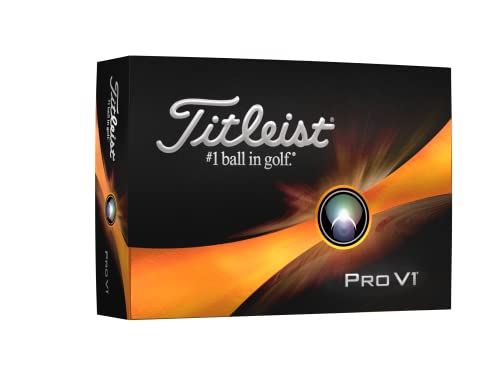
Titleist Pro V1 makes the top of the list for many golfers. It’s renowned for its balance between distance and control, giving you the best of both worlds. With a low spin rate off the driver, you’ll find it easier to stay on the fairway.
Next up is the Callaway Chrome Soft. This ball is a favorite among low handicappers for its excellent green-side control and soft feel. The Graphene-infused Dual SoftFast Core aids in increasing speed while reducing spin, which is perfect for your fast swing.
TaylorMade TP5 is another ball that frequently receives praise. It’s designed with a 5-layer construction that optimizes each shot, whether it’s a drive for distance or a soft approach on the green. The TP5 gives you a high launch and a soft feel, making it simpler to hit for golfers with a sharp game.
For those of you who prefer a ball with a bit firmer feel, the Bridgestone Tour B RX is a solid option. It caters to golfers with moderate swing speeds but maintains a premium performance in terms of distance and accuracy.
Rounding out the top five is the Srixon Z-Star XV. This ball is often celebrated for its energetic gradient growth core and spinskin technology. It promotes a great launch and offers the stopping power needed on the green. You’ll appreciate how it complements a skilled player’s touch.


Remember, while these balls are engineered for performance, the best ball for you depends on your individual style and how it interacts with your equipment. Test them out, and you’ll likely find a smooth partnership that could shave strokes off your round.
Tips for Maximizing Your Performance with an Easy-to-Hit Golf Ball
When you’ve found a golf ball that complements your swing, the next step is to maximize your performance with it. The right approach can make a significant difference in your game.
Start With the Basics: Ensure your fundamentals are solid. A consistent stance, grip, and posture are crucial for making the most of an easy-to-hit ball. Even the most forgiving golf balls can’t correct a fundamentally flawed swing.
Match Your Equipment: Pair your chosen ball with clubs that suit your playing style. If you prefer a ball with a soft feel, like the Callaway Chrome Soft, consider a club with a more flexible shaft to enhance your control and feel.
Practice Makes Perfect: Spend time on the range with the new ball. Take note of how it responds to different shots. An easy-to-hit ball may behave differently from what you’re used to, so adjust your swing accordingly.
Analyze Your Spin: Balls like the Titleist Pro V1 are designed for low spin off the tee and more control around the greens. Practice shots that take advantage of these characteristics. Find out how much spin you generate and work on shots that require less spin to optimize your ball’s performance.
Condition-Based Adjustment: You should also adapt your ball choice to the playing conditions. On windy days, a ball that’s engineered for a lower trajectory, like the Bridgestone Tour B RX, could be more beneficial. Don’t hesitate to switch things up based on weather and course conditions.
Mental Game: Trust in your equipment is vital. With an easy-to-hit ball, have confidence that it will perform as needed, allowing you to play more freely and with less fear of making a mistake.
By integrating these tips into your routine, you’ll be on track to capitalize on the benefits of your chosen golf ball and see measurable improvements on the course. Keep experimenting and refining your strategy to continue elevating your game.
The Science Behind an Easy-to-Hit Golf Ball
When you’re out on the course, the type of golf ball you play can make a noticeable difference in your game. But what exactly makes one golf ball easier to hit than another? It’s all in the science—specifically, the construction, compression, and dimple design of the ball.
Ball Construction and Layers
Golf balls come in one-piece, two-piece, multi-layered constructions. The key for easier striking usually lies in two-piece golf balls. These balls consist of a solid rubber core covered by a durable outer layer. This design combo promotes greater distance with less effort—perfect for a weekend golfer looking to improve their game.
Compression: Your Swing Speed’s Best Friend
The compression rating of a ball correlates with its ability to be compressed upon impact. Lower compression balls, typically rated between 50 and 70, are best if you have a slower swing speed. They’re easier to hit because:
- Require less force to compress
- Translate into more distance from slower swings
- Offer a softer feel, which many find enhances their control
Dimple Pattern: The Aerodynamics of Flight
The dimples on a golf ball reduce air resistance and influence how the air flows around the ball, thus affecting its trajectory and distance. Shallower dimple designs contribute to a more stable flight and can help you achieve a more consistent shot, even with off-center hits.
Matching Ball Features to Your Play Style
As you consider the easiest golf balls to hit, remember to match their features to your playing style. For example, if you have a moderate swing speed, look for a ball with:
- Medium compression (around 80-90)
- Balanced dimple pattern for controlled flight
- Soft enough feel for short-game precision
Incorporating the science of golf balls into your selection will help you find a ball that complements your skills and elevates your performance. Remember, the right ball can be as crucial as the right club on your quest for a lower handicap. Keep experimenting with different balls and monitor how changes in ball construction, compression, and dimple design affect your shots.
Conclusion
So there you have it! Finding the easiest golf ball to hit can make a significant difference in your game. Remember, it’s all about matching the ball to your unique style and swing speed. Whether you’re a beginner looking for that extra edge or an experienced player aiming to fine-tune your performance, there’s a golf ball out there that’s perfect for you. Now get out there, choose your ideal ball, and watch your shots soar smoother and farther than ever before. Happy golfing!
Frequently Asked Questions
What makes a golf ball easy to hit?
A golf ball becomes easier to hit depending on its construction, compression, and dimple design. A well-constructed two-piece golf ball with the right compression for your swing speed and a balanced dimple pattern can improve your game.
Why are two-piece golf balls beneficial for average golfers?
Two-piece golf balls are particularly beneficial for average golfers due to their solid rubber core and durable outer layer, which offer a combination of distance and durability, making them easier to hit for recreational players.
How does compression affect a golf ball’s performance?
Compression affects how much a golf ball deforms upon impact. Lower compression golf balls are softer and easier to compress, making them ideal for those with slower swing speeds, as they can help to maximize distance and improve feel.
Why is the dimple pattern on a golf ball important?
The dimple pattern on a golf ball is crucial because it reduces air resistance and affects the trajectory and overall distance the golf ball can travel. Different dimple designs cater to various performance aspects, such as control, stability, and aerodynamics.
How should I choose a golf ball that’s right for me?
Choose a golf ball by matching its features to your playing style. If you have a moderate swing speed, opt for a ball with medium compression and a balanced dimple pattern. Always consider your skill level and individual preferences when selecting a golf ball to improve your performance.