Choosing the right golf ball can feel overwhelming with so many options out there, but it’s one of the easiest ways to improve your game. Whether you’re a beginner or a seasoned player, the ball you use should complement your skill level and playing style. After all, the right match can make a big difference in your distance, control, and overall confidence on the course.

Your handicap plays a key role in determining which golf ball suits you best. It’s not just about picking the most expensive ball or the one your favorite pro uses—it’s about finding what works for you. By understanding how your handicap influences your needs, you’ll be better equipped to make smarter choices and elevate your performance.
Ready to take the guesswork out of your game? Let’s explore some expert tips to help you find the perfect golf ball that matches your handicap.
Understanding Golf Ball Characteristics
Choosing the right golf ball means knowing how different components affect your game. By focusing on key characteristics, you can match a ball to your handicap and playing style for better performance.
Core Composition and Compression
The core drives the ball’s energy transfer at impact, influencing distance and feel. Low-compression balls benefit high-handicappers by creating more distance at slower swing speeds. If your swing speed is higher, a firmer, high-compression core maximizes control and precision. For example, a 60-compression ball suits beginners, whereas a 100-compression ball may suit advanced players.
Cover Materials and Spin Rate
Cover materials, including urethane and ionomer, control spin and durability. Urethane covers offer better short-game spin, making them ideal for low handicappers seeking control around greens. Ionomer covers increase durability and reduce spin on long shots, improving accuracy for mid-to-high handicappers. Consider your primary need: more spin and stopping power or added distance and toughness.
Dimples and Aerodynamics
Dimples influence lift, drag, and overall flight consistency. Balls with 300-400 dimples prioritize long, stable flight paths, suitable for players working on distance. More advanced dimple patterns enhance control and minimize wind effects, ideal for golfers fine-tuning shot-shaping. If you compete in varying weather conditions, aerodynamic performance linked to dimple design is critical.
The Importance Of Matching Golf Balls To Handicap
Matching your golf ball to your handicap plays a crucial role in improving your overall performance and consistency. Each handicap level has unique needs when it comes to spin, control, and distance.
How Handicap Impacts Performance
Your handicap reflects your skill level, which directly influences what you need from a golf ball. High-handicappers often benefit from low-compression balls. These balls create more distance and help reduce side spin to minimize slices or hooks. A softer feel off the clubface can also boost confidence, especially around the greens.


« Top Golf Balls for Straight Hitters: Maximize Accuracy, Control, and Distance on the Course
Elite Balls for Competitive Play: A Guide to Boost Your Game Across All Sports »
Mid-handicappers typically seek a balance of distance and spin control. Two-piece or three-piece balls with ionomer covers deliver solid distance and enough greenside spin to help with approach shots. Compression ratings in the medium range ensure better flight control without sacrificing too much softness.
Low-handicappers thrive with high-performance balls designed for precision. Urethane-covered, multi-layer designs optimize spin and feel, giving you the control needed for shaping shots and managing short-game finesse. High-compression cores enhance energy transfer for maximum distance, especially off the driver.
Benefits Of Choosing The Right Ball
Choosing the right ball unlocks your potential on the course. High-handicappers see immediate improvements in consistency and reduced mishits. Avoiding slices, hooks, or low flight paths provides a significant advantage, making the game more enjoyable and less frustrating.
Mid-handicappers gain better command over approach shots and increased stopping power on the greens. This supports lower scores by improving your proximity to the hole and reducing three-putts.
Low-handicappers, like you, benefit from precise spin rates and optimal ball flight. The feedback delivered by tour-level balls sharpens your ability to execute advanced techniques, from controlling spin on wedges to drawing or fading long irons. Matching the ball to your game’s skill level eliminates guesswork, ensuring peak performance on every shot.
Expert Tips On Choosing The Right Golf Ball
Matching a golf ball to your game can elevate your performance on the course. Your handicap, playing style, and environment all play a vital role in finding the perfect fit.
Evaluating Your Playing Style
Understanding your playing style helps narrow options. If you prioritize distance off the tee, focus on low-spin, multi-layer balls with firm cores. These reduce side spin and maximize energy transfer for straighter, longer shots. For better greenside control, soft urethane-covered balls offer higher spin, enabling precise chips and pitches.
If you’re a mid-handicapper searching for control without losing distance, a two-piece or three-piece ball provides a balanced solution. Conversely, high-handicappers should consider low-compression options, which improve launch and minimize mishits.
Testing Different Ball Types
Experimentation is key in refining your choice. Start with ball models designed for your skill level, then test their performance during an actual round, not just on the range. Assess how the ball feels off the clubface, its spin rate on approach shots, and its flight consistency. For example, use a urethane ball for greenside confidence if you’re a consistent low-handicapper.
Track results over multiple rounds, paying attention to total scores and shot dispersion. Rotating between a few models helps you identify a ball that aligns with your strengths.



Considering Weather and Course Conditions
Weather heavily influences ball performance. On windy days, a low-spin ball ensures less ballooning, while softer balls maintain feel on firm courses. If you’re frequently playing in colder temperatures, opt for low-compression designs, as they negate distance loss caused by a harder-feeling cover in winter.
Course type also matters. On hard, fast greens, a high-spin ball provides stopping power, whereas on slow greens, lower-spin balls might suit better. Adjusting to on-course conditions optimizes performance.
Common Mistakes To Avoid When Selecting Golf Balls
Selecting the right golf ball is critical, but many players overlook key factors. Avoid common errors that could hurt your performance and confidence on the course.
Overlooking Handicap-Specific Options
Ignoring how your handicap affects ball choice can limit your game. High-handicappers often struggle with spin control and benefit from low-compression balls that reduce side spin and maximize distance. Choosing a ball with a harder cover or too much spin potential can worsen slices and hooks.
Mid-handicappers frequently need a ball that balances distance and greenside spin, such as a three-piece ball with ionomer covers. Picking a ball with an overly soft cover may reduce control on long shots, compromising accuracy.
Low-handicappers, like yourself, need balls that offer precise spin control, such as those with urethane covers. Selecting a low-compression or two-piece ball could hinder your ability to manage approach shots and short-game precision. Stick to performance-focused designs.
Buying Based On Price Alone
Basing your decision only on price can lead to poor results. Premium balls cost more because they use advanced materials, offering better spin rates and aerodynamics. If you’re a low-handicapper, investing in urethane-covered, multi-layer balls ensures peak performance and better shot control.
For high or mid-handicappers, chasing the cheapest options may result in balls that don’t fit your swing needs. Even budget-friendly balls with the right features, like low-spin or two-piece designs, are available, so prioritize compatibility over cost.
Recommended Golf Balls For Different Handicap Levels
Choosing a golf ball for your handicap level can elevate your game. Matching the ball with your skill set improves distance, spin, and overall control.
High Handicap Golfers
For high handicappers, focus on low-compression, two-piece balls. These offer added forgiveness and maximize distance even with slower swing speeds. Opt for balls with softer cores and durable ionomer covers that reduce side spin, helping straighten wayward shots. Examples include the Titleist TruFeel, Bridgestone e6, and Callaway Supersoft.
Mid Handicap Golfers
Mid-handicappers benefit from balanced performance. Look for two-piece or three-piece balls that combine distance and spin control. Urethane or hybrid covers give solid greenside performance, while mid-compression cores maintain ball speed. Examples include the TaylorMade Tour Response, Srixon Q-Star Tour, and Bridgestone Tour B RX.
Low Handicap Golfers
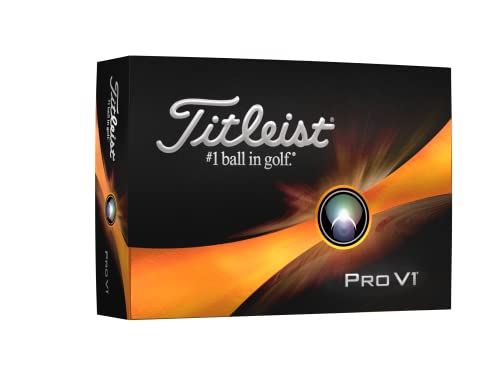
Low handicappers thrive with premium, multi-layer balls featuring urethane covers. These provide precise control, high spin rates, and excellent feel around the greens. High-compression cores are ideal for maximizing distance at higher swing speeds. Consider the Titleist Pro V1 and Pro V1x, TaylorMade TP5, and Callaway Chrome Soft X for consistent, tour-level performance.
Conclusion
Finding the right golf ball for your handicap can make a world of difference in your game. By focusing on your unique needs and experimenting with different options, you’ll unlock better performance, greater consistency, and more enjoyment on the course. Remember, it’s not about the most expensive ball—it’s about the one that complements your skills and playing style. Take the time to evaluate your options, and you’ll see the impact every time you tee off.