Golf balls might seem simple at first glance, but their design is a masterpiece of engineering. Every layer plays a crucial role in how the ball performs, from distance to spin to feel. If you’re passionate about improving your game, you’ve probably noticed how advancements in golf ball technology can make a real difference on the course.

In the coming years, layering technology is set to take golf balls to a whole new level. With innovations like advanced materials, smarter designs, and even AI-driven manufacturing, the future of golf balls promises more precision and performance than ever before. Whether you’re a weekend enthusiast or a seasoned pro, these breakthroughs could change the way you approach the game.
Understanding Golf Ball Layering Technology
Golf ball layering technology plays a key role in how your ball performs on the course. Each layer is designed for specific functions, combining to deliver optimal distance, spin control, and overall feel. For low handicappers, understanding these layers can help you make better decisions when selecting a ball to match your game.
Core
The core drives distance. Made from high-energy rubber or similar advanced polymers, it stores and releases energy on impact. A larger, softer core usually increases compression for higher launch and lower spin on long shots, while a firmer core prioritizes speed for maximum distance.
Mantle Layers
The mantle layers fine-tune spin and control. Multi-layer golf balls often have one or more mantle layers between the core and cover. These layers impact mid-range spin rates and shot stability under varying conditions. For example, a dual-mantle design might generate less spin on drives while maintaining responsiveness for iron shots.
Cover
The cover affects feel and precision. Materials like urethane provide soft feedback and enhanced greenside spin, while ionomer or surlyn covers prioritize durability and distance. If you prefer soft touch and control for wedge play, urethane covers offer the best balance of responsiveness and traction.
Transitional Bonding
Improved bonding enhances energy transfer. Advanced layering tech uses optimized bonding methods to improve how energy moves between layers, delivering consistent ball speeds, spin rates, and feel across different swing types and club impacts.
Understanding these components lets you choose a ball tailored to your performance needs, ensuring you get the most out of every shot.
Current Advances in Layer Composition
Golf ball layering has evolved to balance distance and control. Recent advances focus on multi-layer designs and cutting-edge materials to meet the demands of skilled players like you.

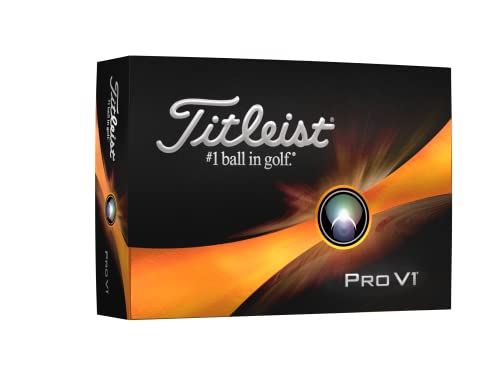

Multi-Layer Structures
« Best Golf Balls for High Swing Speed Players: Maximize Distance & Control
Top Distance Golf Balls for Maximum Yardage: Boost Your Drives and Lower Your Scores »
Multi-layer golf balls deliver precision for low handicappers. Instead of traditional two-piece balls, advanced multi-layer designs now feature three, four, or five layers. These configurations help fine-tune different aspects of your game.
- Inner Core: Manufacturers enhance core compression to increase ball speed, giving you more distance on long shots. High-energy rubber compounds are a common choice.
- Mantle Layers: New multi-mantle constructions optimize spin. Fast and firm outer mantles boost power off the tee, while softer inner mantles improve spin control during approach shots.
- Urethane Covers: Thinner urethane covers—with higher durability—provide a responsive feel and maximize spin on wedge shots. These covers also deliver exceptional greenside control.
These advanced structures give you versatility for both distance and short-game accuracy.
Material Innovations
Material breakthroughs redefine golf ball layering performance. Innovations include polymers, nanoparticles, and hybrid blends to target specific needs without compromising consistency.
- Proprietary Polymers: High-flexibility polymers enhance energy transfer during impact. They maintain compression across a broad temperature range for consistent performance.
- Nanotechnology: Nano-engineered materials improve mantle-layer strength and minimize energy loss. This helps stabilize ball flight, especially in windy conditions.
- Hybrid Materials: Combining traditional rubber with next-gen synthetics creates unmatched durability and feel. Some products now feature graphene-infused components for added tensile strength.
Material innovation allows you to maximize playability while enjoying the durability and feel you expect from premium balls.
The Role of Aerodynamics in Layering Design
Aerodynamics plays a critical role in the performance of golf balls, especially in how layering design complements ball flight and control. Understanding these principles helps you choose a ball that optimizes your game.
Dimple Technology Integration
Dimples on the cover of a golf ball aren’t just for aesthetics—they’re the key to stabilizing your ball in flight. Advanced layering designs now incorporate dimple patterns that maximize aerodynamic efficiency when paired with cutting-edge materials. For instance, shallow but tightly spaced dimples reduce drag for longer carries, while deeper dimples enhance lift and stability in windy conditions. Multi-layer constructions, often featuring ultra-thin urethane covers, ensure the dimple’s shape integrity is preserved, allowing for a consistent aerodynamic effect on each swing.
Effects on Ball Flight Performance
Layering design directly impacts how your ball interacts with the air. High-energy cores combined with optimized mantle layers generate faster initial velocity, but it’s the aerodynamics of the layered cover that dictates flight trajectory. Balls with seamless covers and precision dimples provide straighter and more controlled ball flights, perfect for low-handicappers like you who value precision. Additionally, layering innovations now allow for reduced spin rates on drives and increased spin on approach shots, enabling you to dominate both off the tee and around the greens.
Emerging Trends in Golf Ball Layering Technology
Layering technology keeps evolving, delivering better performance for players like you who demand precision and control. These trends focus on innovation, helping low handicappers get the most out of their gameplay.
Nanotechnology Applications
Nanotechnology enhances the performance and responsiveness of golf balls. Incorporating nanomaterials into core and mantle layers improves energy transfer, resulting in faster ball speeds and more consistent spin rates. For instance, nanoparticles in the core reduce energy loss upon impact, maximizing distance without sacrificing control.
In mantle layers, nanotechnology stabilizes spin dynamics, ensuring a predictable trajectory even under challenging conditions. Balls with nanostructured covers boost durability and maintain the soft feel golfers like you prefer around the greens. These advances let you trust your ball’s performance in every type of shot.


Eco-Friendly Materials
Sustainability plays a growing role in golf ball design, without compromising on premium performance. Manufacturers integrate biodegradable polymers and recycled materials into layering components to reduce environmental impact. For example, covers made from eco-friendly urethanes provide the same greenside control while being less harmful to the ecosystem.
You might also see innovations like water-based coatings that replace harmful chemical finishes. These technologies maintain quality while aligning with eco-conscious values, allowing you to enjoy the game knowing you’re contributing to a greener future.
Challenges and Opportunities in Future Development
Golf ball layering technology offers exciting prospects but also faces hurdles that impact performance, sustainability, and accessibility. Addressing these challenges can unlock opportunities for innovation.
Balancing Performance and Sustainability
Modern golf balls enhance performance, but incorporating eco-friendly materials while maintaining advanced playability remains a challenge. Biodegradable polymers and recycled materials are promising, yet durability and compression can suffer if not engineered precisely. For example, an eco-friendly core might reduce energy transfer, affecting distance and spin consistency.
On the other hand, integrating sustainable materials presents an opportunity to reduce golf’s environmental footprint. Manufacturers are exploring hybrids combining natural elements with advanced polymers, providing a balance between green practices and high playability. As you select a ball, consider these innovations that prioritize planet-friendly designs without compromising your low-handicap performance.
Addressing Cost and Accessibility
Premium multi-layer golf balls with advanced compositions often come at a price, limiting accessibility. Producing complex designs with proprietary materials, such as high-energy cores or urethane covers, drives up manufacturing costs. While these balls deliver on precision and feel, they may not always be financially viable for golfers looking for value.
However, advancements in manufacturing, like automation and AI-driven processes, could reduce production costs over time. This shift opens opportunities for players at all skill levels to access high-performance balls at competitive prices. Testing mid-tier balls using similar layering technology can allow you to experience better performance without breaking the bank.
Conclusion
The future of golf ball layering technology is full of exciting possibilities that promise to enhance your game in ways you might not have imagined. With advancements in materials, aerodynamics, and eco-friendly designs, manufacturers are pushing the boundaries of performance while addressing sustainability and cost concerns.
Whether you’re a seasoned pro or a weekend golfer, these innovations mean you can look forward to golf balls that deliver precision, control, and durability tailored to your style. As technology evolves, you’ll have even more choices to elevate your performance and enjoy the game to its fullest.