When it comes to golf, every detail matters, and the ball you choose can make all the difference. You might not think much about what’s inside a golf ball, but its core is where the magic happens. From added distance to improved spin control, unique core technologies are redefining how you play the game.

These innovations aren’t just for the pros—they’re designed to help golfers of all skill levels elevate their performance. Whether you’re chasing longer drives or more precise shots, understanding what’s behind these cutting-edge cores can give you an edge on the course.
Overview Of Golf Ball Core Technologies
Golf ball core technologies have evolved to enhance performance in every part of your game. The core, often considered the engine of a golf ball, directly impacts speed, spin, and feel. Manufacturers leverage proprietary materials and designs to optimize these elements, tailoring balls to suit different players’ needs.
Single-Core Construction
Balls with a single-core focus on distance and durability. A solid rubber core generates high ball speed off the tee while maintaining consistent performance. Players seeking minimal spin penalties and a firm feel may gravitate toward this design, often found in 2-piece golf balls.
Dual-Core Innovations
Dual-core designs help balance distance with spin control. These balls typically have a dense inner core for power and a softer outer core to enhance greenside control. You’ll notice better wedge spin and shot-stopping ability, ideal for low-handicappers aiming for precision.
Multi-Layer Core Systems
Multi-layer models are built for versatility. They feature a combination of core layers and mantle structures that fine-tune spin across different clubs. If you’re looking for a golf ball that performs as well with your driver as it does with your short irons, this technology provides flexibility without compromising performance.
Compression Variations
Core compression determines how much energy transfers to the ball during impact. Low-compression cores produce a softer feel and greater distance at slower swing speeds, while high-compression cores cater to faster-swinging players seeking maximum energy transfer and control.
Understanding these technologies enables you to select a ball that complements your playing style. Whether you’re chasing longer drives or precision on your approaches, the right core design can transform your game.
Importance Of Core Design In Golf Performance
Core design directly impacts every aspect of your game, from how far the ball travels to how it feels off the clubface. As a low-handicapper, you know the importance of dialing in every detail to gain an edge on the course, and understanding core technologies is a big part of improving your performance.


How Core Technology Affects Distance
« Desert Conditions: Find the Best Golf Balls for Arid Environments and Boost Your Game
Links Style Courses: Best Golf Balls for Bouncy Fairways and Windy Challenges »
The core generates the energy transfer needed for maximum distance. High-compression cores, often found in premium balls, cater to faster swing speeds by efficiently transferring energy at impact. For example, models like the Titleist Pro V1x use a dual-core design to enhance distance on long shots without sacrificing control.
For moderate swing speeds, low-compression cores, like those in the Callaway Supersoft, deliver optimal launch with reduced driver spin. These cores compress more on impact, creating a trampoline effect for added carry. If you’re looking to squeeze every yard out of your driver, choosing a core that matches your swing speed is essential.
How Core Technology Enhances Spin and Control
Core composition affects spin levels, which influence feel and shot precision. A softer core promotes higher wedge spin for stopping power and enhanced control around the greens. For instance, Bridgestone’s Tour B RX boasts a Gradational Core that increases spin rates for approach shots while maintaining a soft feel.
Firm-core balls excel in lowering spin off the driver, providing straighter shots and more roll. The dual-core technology found in many multilayer balls balances these spin characteristics, giving you versatility across clubs. If you rely on shaping shots or need consistent results in varying conditions, advanced core designs help you stay in control.
Highlighting Unique Core Technologies
As a golfer, you know that the core of your golf ball impacts every shot. Modern core technologies are designed to deliver performance benefits tailored to your playing style, whether you’re seeking maximum distance, optimal spin control, or a consistent feel.
Dual-Core And Multi-Core Designs
Dual-core and multi-core golf balls enhance performance by addressing specific needs. Dual-core designs focus on separating inner and outer core functions. The inner core stores and transfers energy, delivering high ball speed, while the outer core fine-tunes spin rates. For instance, if you’re a player with moderate swing speed, dual-core balls help you maximize carry while maintaining predictable spin control on your wedges.
Multi-core systems take this a step further by layering materials to optimize performance across every club in your bag. These balls are crafted for versatility, with lower spin off the driver for straighter shots and higher control spin for approach shots. Golfers with faster swing speeds benefit most from multi-core construction, as it manages energy transfer while maintaining stability and control for long and short-game precision.
Advanced Material Innovations
Golf ball manufacturers continually develop new core materials to enhance performance traits. High-energy rubber cores increase initial velocity, providing greater distance on drives without compromising feel. For instance, advanced polybutadiene core designs create a softer feel while preserving shot power, catering to players who want control without losing length.
Some premium balls feature proprietary core blends that combine elasticity and firmness. This leads to reduced compression loss, even at fast swing speeds, and ensures consistent energy transfer. Players with slower swings can look for innovations like low-compression rubber blends, designed to compress more effectively for improved launch and carry. If spin optimization is your focus, cores with softer gradients enable precise short-game control while keeping driver spin low, offering balance for every shot type.
Leading Brands And Their Core Technologies
Every top golf ball brand has its own approach to core technology, delivering performance that suits different players. Understanding these innovations can help you pick the ball that fits your game.


Titleist Core Innovations
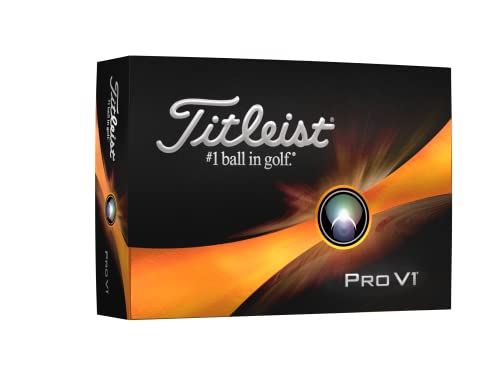
Titleist focuses on creating cores that deliver consistency and versatility. The Pro V1 features a solid core that produces a balanced blend of distance and soft feel. Its high-compression core generates low spin off the driver, ensuring longer and straighter shots.
For those wanting increased spin control, the Pro V1x uses a dual-core design. The inner core boosts speed, while the outer layer lowers long-game spin. This ball is ideal for maximizing distance off the tee while ensuring precision in short game performance.
Callaway Core Advancements
Callaway’s core technology emphasizes speed and energy transfer. The Chrome Soft line uses a Dual SoftFast Core, featuring a larger graphene-infused outer core. This design optimizes energy transfer for faster ball speeds and higher launch. It also maintains a softer feel, catering to players who value control and comfort.
The Chrome Soft X targets low handicappers with faster swing speeds. It features a firmer dual-core construction for increased compression and long-game performance. Its core delivers low spin with the driver and high spin around the greens, supporting versatile shotmaking.
Bridgestone Core Features
Bridgestone designs cores to improve accuracy and optimize distance. The Tour B series features Gradational Compression Core technology, which provides greater initial ball speed and reduces side spin. This enhances control, helping you hit straighter shots off the tee.
For faster swing speeds, the Tour B X has a firmer core, delivering explosive distance and a responsive feel. The Tour B RX, on the other hand, offers a softer core for moderate swing speeds, maximizing carry while maintaining excellent greenside control.
Choosing The Right Golf Ball For Your Game
Finding the right golf ball can elevate your performance on the course. By focusing on core technology, you can fine-tune your ball choice to match your skill level and playing needs.
Matching Core Technology To Skill Level
Your skill level directly impacts which golf ball performs best for you. As a low-handicapper, you’ll benefit from multi-layer or dual-core balls designed for control, spin, and shot-shaping. High-compression cores, like those in the Titleist Pro V1x or Callaway Chrome Soft X, deliver the responsiveness and energy needed at higher swing speeds, optimizing distance without sacrificing feel.
Mid-handicap players often achieve better results with balls that balance distance and spin, such as Bridgestone’s Tour B RX series or Callaway Chrome Soft models. With compression levels catering to moderate speeds, these cores ensure consistent performance without overly penalizing mis-hits.
For high-handicap or beginner golfers, low-compression cores offer greater forgiveness. A ball like the Callaway Supersoft provides a straighter flight and minimizes spin on errant shots. By matching ball compression and core design to your swing, you’ll see instant improvements in accuracy and distance.
Balancing Cost And Performance
Premium balls offer advanced core designs but can strain your budget if frequently lost. As a low-handicap golfer, prioritizing performance may justify the investment in balls like the Titleist Pro V1 or Bridgestone Tour B XS. These models combine high-quality materials with core technologies tailored for ultimate control and shot execution.
For golfers seeking value without sacrificing quality, options like the Srixon Q-Star Tour or TaylorMade Tour Response deliver tour-level performance at a slightly lower cost. These balls include multi-layer cores and urethane covers, providing impressive spin and control while saving money.
If you’re still refining your game or lose balls regularly, two-piece low-compression models, such as Wilson Duo Soft+, balance affordability and durability. Choosing a ball that aligns with your budget and skill level ensures maximum enjoyment and performance during every round.
Conclusion
Choosing the right golf ball is more than just a small decision—it’s a game-changer. With so many innovative core technologies available, you have the tools to elevate your performance, no matter your skill level or playing style. Whether you’re aiming for longer drives, better spin control, or a more balanced feel, there’s a ball out there designed to meet your needs.
Take the time to explore the options and consider how core design impacts your game. The right ball can make every swing more rewarding and every round more enjoyable. So, next time you’re on the course, you’ll not only play better but also with more confidence in your choice.