Ever wondered what’s the real deal behind the price tag of those little dimpled spheres you’re swinging across the green? You’re not alone. Golf balls may seem simple, but there’s a lot more to their value than meets the eye.

From high-tech designs to brand status, we’re diving into what makes a golf ball worth your hard-earned cash. Whether you’re a seasoned pro or just hitting the links, you’ll want to know why some balls can make a serious dent in your wallet while others don’t break the bank.
The Factors That Determine the Value of Golf Balls
When you’re sizing up which golf ball will best suit your game, it’s not just about picking the shiniest one on the shelf. A myriad of elements plays into what makes a ball valuable to you as a low handicapper.
Materials and Construction are at the core of a golf ball’s value. The difference lies in the type of cover, the dimple pattern, and the core. Typically, three types of covers are used:
- Surlyn, for scratch-resistant and durable balls
- Urethane, preferred by pros for its soft feel and spin control
- Others, like ionomer blends, offering a middle ground between durability and playability
The design intricacies of a golf ball can substantially impact your performance. Advanced Dimple Patterns and Layer Technology work in tandem to influence trajectory, spin, and distance. A multi-layer ball with a urethane cover might be your pick for a refined short game, letting you stop a ball dead on the greens.
Brand and Tour Usage also surge the value of golf balls. Balls that tour pros use are often seen as superior, and the endorsement carries weight. Playing a brand you trust and that supports the tour can enhance your confidence, which is priceless on the course.
Another factor is Customization and Personalization. You might not think it affects performance, but a ball marked with your initials or logo can prevent mix-ups on the course, keeping your mind clear for the next shot.
Lastly, don’t underestimate the Feel of the Ball. It needs to be right for your touch around the greens and off the tee. Despite all the talk about technology and brands, if the ball doesn’t feel right when you strike it, it’s not worth it for your game.
Before you make your next purchase, weigh these factors against your skill level, playing style, and personal preferences. The right ball won’t just be another piece of equipment; it’ll be a key player in your quest to lower your scores.


Construction and Materials: How Golf Ball Design Impacts Worth
« What Causes Golf Ball to Go High? Unlock Game-Changing Swing Secrets
How to Remove Golf Ball Dent: Easy Vacuum Trick Revealed »
When you’re sizing up a golf ball, it’s crucial to examine the construction and materials. These are not just the backbone of your golf ball; they’re also major factors in its value. Let’s break it down layer by layer.
The Core is the engine of the golf ball. A high-quality core will often be made of a synthetic rubber compound, and its construction aims to give you that explosive distance off the tee. Manufacturers tinker with the size and density to influence the ball’s feel and behavior. A larger core, for instance, generally means a softer feel and more spin, beneficial for your approach shots.
The Cover protects the core and determines much of the ball’s interaction with your club. Urethane covers are preferred among low handicappers for their superior feel and spin control. Surlyn covers are more durable and provide a firmer feel, which might be what you’re after in a two-piece golf ball.
The Dimple Pattern affects the aerodynamics of the ball. More dimples can mean more surface coverage, which typically leads to a stable flight and better wind resistance. But it’s not just quantity; the shape and depth of the dimples also play into the ball’s flight characteristics.
Here’s a glance at some common core and cover materials structured in a ball:
| Core Material | Feel | Typical Player |
|---|---|---|
| Synthetic Rubber | Soft | Low Handicappers |
| Rubber Compound | Firm | Mid to High Handicappers |
| Cover Material | Spin Control | Durability |
|---|---|---|
| Urethane | High | Moderate |
| Surlyn | Moderate | High |
Choosing the right golf ball is all about matching its construction with your game. Adapting to your personal strengths could mean opting for a ball that offers more control with a softer feel or maybe one geared for extra distance. The design can either be your secret weapon or just another ball. Taking the time to understand what each layer offers puts the power back in your swing, literally.
The Importance of Brand Name in Golf Ball Pricing
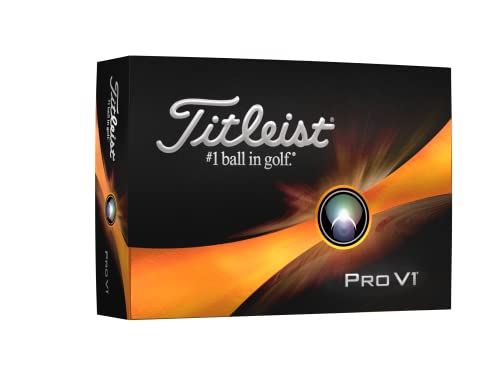
When you’re out there on the course, every shot counts, and the brand of golf ball you tee up with might just affect your game more than you realize. A well-established brand doesn’t just signal a certain level of prestige, it’s often synonymous with quality and reliability. When you buy balls from top-tier brands like Titleist, Callaway, or TaylorMade, you’re not just purchasing a product; you’re investing in years of research, innovation, and pro golfer endorsements – all of which add to the cost.
Brand recognition plays a pivotal role in determining the cost of the golf balls you choose. A respected brand name can command higher prices because there’s an underlying trust that their product will perform consistently on the greens and fairways.
Here’s how brand names influence pricing:
- Consumer Trust: Over time, big brands build consumer trust by delivering consistent quality. You expect their balls to enhance your play, whether it’s through better spin control or longer distance.
- Sponsorships: Major brands sponsor professional tournaments and athletes which boosts their visibility and desirability. You’re paying for that logo that’s televised during major PGA events.
- Research and Development (R&D): The cost of extensive R&D to advance golf ball technology is often baked into the price.
Consider this; if a pro golfer trusts a certain ball to win a major championship, you can bet that the same ball will be in high demand at your local pro shop. And it’s not just about performance. A brand that stands for success and quality resonates with players of all levels seeking to improve their game. The peace of mind that comes with playing a ball from an esteemed brand can even give you a psychological edge.


But it’s not just top shelf where brand impacts cost. Even budget-friendly options from recognizable names benefit from the halo effect of their premium offerings. You might find that mid-range balls from a reputable manufacturer offer a great balance of performance and value, leveraging the brand’s name but at a more accessible price point.
In the end, the brand of your golf ball is more than a name – it’s a statement of what you value in your game. And while some may argue that brand isn’t everything, in the world of golf, it certainly plays a significant part in the valuation and pricing of golf balls.
The Role of Performance in Golf Ball Value
When you’re out on the greens, every shot counts, and the golf ball you play can either be your silent partner in victory or an unwitting accomplice to those frustrating bogeys. No doubt, performance heavily influences golf ball value. You know better than most that a ball’s performance is arguably the most critical factor in determining its worth.
Tour-level golf balls are designed to provide exceptional control and feel around the greens. They tend to be the choice for low handicappers like yourself who demand performance in the heat of play. These balls usually feature multi-layered construction, with a soft urethane cover that allows for that necessary spin control on approach shots and touch around the greens. Their design caters to giving you the competitive edge that can make a difference between a good round and a great one.
In contrast, distance balls are tailored to provide maximum carry and roll, often sacrificing some control for additional yards off the tee. For players struggling with swing speed, these balls can be invaluable. Yet, even within the category of distance balls, prices can vary based on how well they balance that extra length with the playability you need to score well.
The materials and technologies used to enhance performance also play into the value equation. Consider these elements:
- Core Composition: Impacts the initial velocity and compression, affecting distance and feel.
- Cover Material: Affects durability and spin control.
- Dimple Pattern: Influences aerodynamics and flight stability.
Golf ball manufacturers are always in pursuit of that sweet spot where performance meets innovation, and this directly reflects in the ball’s market price. Tour-proven balls that promise and deliver heightened performance usually carry a heftier price tag. It’s the fine-tuning of layers, materials, and aerodynamics that allows skilled players to leverage the full potential of their golf ball.
As you ponder your next purchase, remember that the price of a golf ball isn’t just about brand prestige but also about the tangible on-course advantages it offers. Whether it’s greater distance, improved feel, or better wind resistance, the ball’s characteristics must resonate with your style of play to truly enhance your game and justify its cost.
The Impact of Golf Ball Variants on Pricing
When you’re out there on the fairway, the golf ball you tee up with isn’t just a matter of preference; it’s a decision that can impact your wallet in ways that may not be immediately apparent. With an array of golf ball variants available, understanding how each influences the price you pay is crucial.
Tour-level balls, with their multilayer construction and urethane covers, are tailored for players like you who demand precise control and feel. They’re built to provide the performance pros need—and they come with a price tag to match. While you’d expect these balls to fetch a higher price, it’s not just the advanced materials and engineering that contribute to the cost, it’s also the research and development efforts put into crafting a ball that performs consistently at the highest levels of play.
On the other hand, distance balls are designed for those seeking to maximize their drive and are generally more affordable. They’re often made with a surlyn cover which is tougher and contributes to their durability. They might not give you the same level of finesomeness around the greens, but they can help you achieve longer flights off the tee—without putting quite as big a dent in your budget.
Practice balls, which you might use during your training sessions to hone your technique, are on the lowest end of the pricing spectrum. They’re made with cost in mind, so they won’t deliver the same performance as those used in competitions, but they’re still a cost-effective choice for refining your game.
| Golf Ball Type | Typical Material | Purpose | Price Range |
|---|---|---|---|
| Tour-Level | Urethane | Control and Feel | High |
| Distance | Surlyn | Maximizing Drive | Moderate |
| Practice | Various | Training and Technique | Low |
Smart golfers know that the right ball can enhance your performance, but you also consider how frequently you’ll need to replace them. Durability plays an integral role in the long-term affordability of a golf ball. You might shell out more for a tour-level ball, but if it’s lasting you multiple rounds without losing its characteristics, it might be a more worthy investment than a distance ball that needs to be replaced after every 18 holes.
Conclusion
So you’ve seen how the worth of golf balls can vary widely based on what you’re looking for. Whether you opt for the high-end tour-level balls for their precision or choose distance balls for their value, you’re now equipped to make an informed choice. Remember that sometimes, spending a bit more upfront on a durable ball could save you money down the road. It’s all about finding the balance that works for your game and your wallet. Happy golfing!
Frequently Asked Questions
Why are some golf balls more expensive than others?
Golf balls vary in price due to differences in materials, engineering, and R&D efforts. Tour-level balls, which provide precise control and feel, are pricier because they utilize advanced materials and undergo extensive research and development to ensure high-level performance.
What makes tour-level golf balls different from distance balls?
Tour-level golf balls are engineered for precise control and a soft feel, catering to professional play. They are made with quality materials that warrant a higher cost. Conversely, distance balls prioritize maximizing drives and are typically more affordable, with a surlyn cover for durability.
Can the choice of golf ball affect my game?
Yes, the choice of golf ball can significantly affect your game. Tour-level balls can improve control and feel for more experienced players, while distance balls may help beginners or those looking to increase their driving distance.
Is it worth investing in more expensive golf balls?
It can be worth investing in more expensive golf balls if you play frequently and at a high skill level. A durable tour-level ball that lasts multiple rounds may ultimately be more cost-effective than cheaper balls that require frequent replacement.
What are practice golf balls and are they different from regular balls?
Practice balls are designed for training and refining technique. They are the least expensive type of golf ball and are built to withstand repeated use in various practice environments, but they may not provide the same performance characteristics as regular, tournament-quality balls.