Ever wondered what the little dimpled sphere you tee up on the green is worth? You’re not alone. The value of a single golf ball can be surprisingly complex, with factors like brand, model, and even its condition playing a role.

Factors Affecting the Value of a Golf Ball
When you’re assessing the worth of a golf ball, there are several factors at play. You already know that not all golf balls are created equal, and the price you’re willing to pay—or the value you’d get from selling one—can vary quite a bit.
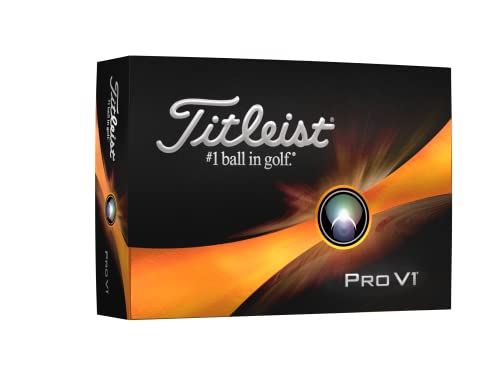
Brand and Model are typically at the forefront. Manufacturers like Titleist, Callaway, and TaylorMade, have models that are synonymous with quality and performance. For instance, Titleist’s Pro V1 balls are coveted by many golfers for their exceptional control and distance.
Here’s a quick breakdown of what you might expect to pay for new, premium balls from leading golf brands:
| Brand | Model | Price per Ball |
|---|---|---|
| Titleist | Pro V1 | $4–5 |
| Callaway | Chrome Soft | $3–4 |
| TaylorMade | TP5 | $3–4 |
| Bridgestone | Tour B | $3–4 |
| Srixon | Z-Star | $2–3 |
Beyond the brand and the model, the Condition of a golf ball is absolutely crucial. A brand-new golf ball straight from the sleeve is obviously going to fetch a higher price than one that’s seen a few rounds. Scratches, scuffs, and discoloration diminish the value considerably. So, if you’re looking to sell, those mint condition balls are the ones to aim for.
Another key factor determining a golf ball’s worth is its Rarity or exclusiveness. Limited edition balls or those from special events can become collectibles and soar in value over time. It’s a niche market, but one that can be surprisingly lucrative if you have the right ball in your possession.
Lastly, the complexity of the Technology embedded in the ball plays a big role. Multi-layer constructions, urethane covers, and features that promise low spin for longer drives—these technical aspects can pump up the value. Golfers after high performance are often willing to shell out more for balls that have the latest and greatest technology.
The Influence of Brand on the Worth of a Single Golf Ball
When you’re eyeing those pristine fairways, the brand of the golf ball teed up can make all the difference. Just as with clubs or attire, the brand is a powerful factor that sways the worth of a single golf ball. Top names like Titleist or Callaway aren’t just markers of quality—they’re badges of sophistication and performance.
Imagine holding a Pro V1; you’re not just clutching a piece of equipment, you’re wielding a symbol of golfing excellence. These brands have earned their reputation through years of consistent quality and by being the choice of pros. Their golf balls are designed with cutting-edge technology and materials that lend themselves to that perfect flight and spin you’re after.


« Why Do You Want a Soft Golf Ball? Unlock Control & Accuracy
What Does the Inside of a Golf Ball Look Like? Uncover Its Secret Core »
When you consider the worth of a single golf ball, remember that some brands, such as TaylorMade, often align with the aspirations of golfers looking to emulate their idols. Every dimple and curve is engineered to aid your quest for that elusive hole-in-one. The technological advancements featured in these premium balls do indeed have a direct impact on their worth.
It’s not just about the logos or the ads. Brands invest heavily in research and development to offer you golf balls that promise greater distance, better control, and superior feel. So when you’re calculating the worth, factor in the years of innovation and refinement that have gone into making that ball a small marvel on the greens.
Some brands also market their golf balls towards particular playing styles. If you’re a low handicapper, you’re probably looking for a ball that offers tour-level performance with features like:
- Multi-layer construction
- Urethane covers
- Optimized aerodynamics
These factors can significantly influence the worth of a golf ball. It’s not just about playing the game; it’s about playing the game with an edge—a better ball can be the confidence booster you need when you’re faced with a challenging shot.
The Impact of the Golf Ball’s Model on Its Value
When you’re out there on the course, every stroke counts. That’s why choosing the right model golf ball can play a crucial role in your game. It’s not just about the brand; the specific model of the ball you select is tailored to provide different benefits, which in turn affects its market value.
Pro V1, TP5, Chrome Soft—these names resonate with a promise of performance and consistency. Tour-level models like Titleist’s Pro V1 or Pro V1x carry a price tag that reflects their status as the choice of champions. But why are they worth more? It’s the cutting-edge technology behind them. These golf balls are designed with layers that control spin, feel, and flight. They provide the advantage you need when you’re trying to shave points off your handicap.
Here’s a quick rundown of what you’re getting with these high-value models:
- Multi-Layer Construction: Adds precision to your game, especially with the irons and wedges.
- Urethane Covers: Deliver a softer feel and greater short-game control, so you can play with confidence on the green.
For instance, TaylorMade’s TP5 features a 5-layer construction, which means more control over the ball flight and spin rates. You’ll notice the difference when you’re aiming for that tight pin placement.
Moreover, the value of these top-tier models isn’t just in their performance. It’s also in their durability. They’re made to withstand the rigors of a full 18 holes and then some. High-caliber materials mean they’ll keep their form and function over multiple rounds. And while they may make a bigger dent in your wallet upfront, they won’t lose their touch as quickly as lower-priced options, which means you might save money in the long run.
So, when you’re evaluating the worth of a golf ball, consider the model. Ask yourself what aspects of your game you’re looking to improve and whether the ball’s qualities align with those goals. The right model can elevate your play, and that’s a value that goes beyond the price tag.



How the Condition of a Golf Ball Affects Its Worth
When you’re out on the green, you know that every detail counts – and that includes the condition of your golf ball. Just like a well-oiled club, the state of a ball can significantly impact its performance, and consequently, its value.
Mint condition golf balls are the cream of the crop, the ones that’ll fetch the highest value. They’re like new, with no scuffs, discolorations, or marks. If you’ve got your hands on one of these, you’re holding a ball that’s destined to deliver optimal performance.
Once a ball starts showing signs of wear, its worth starts to dip. Near mint balls may have very minor imperfections, barely noticeable to the untrained eye, but to a seasoned golfer like yourself, they’re visible signals that the ball has lost some of its integrity.
A step below, and you’ve got standard grade golf balls. These might have a few scuffs or discoloration, perhaps a bit of fade from those sunny afternoons on the course. They’re still playable, of course, but they won’t promise the excellence of a mint condition ball.
And then there are practice balls. These are the ones that have been through the ringer – golfer’s speak for a ball that has seen better days. Don’t expect too much cash for these on the resell market. Yet, they’re not without their place in a golfer’s bag, as they’re perfect for, well, practicing.
The correlation between a ball’s condition and its worth is quite direct. The better the condition, the higher the value, and that’s because condition is a predictor of performance on the course. Remember, things like cuts or excessive wear can alter a ball’s trajectory, spin, and ultimately its reliability. Assessing the condition of a ball is crucial to understanding its worth, not only monetarily but also in terms of how it will help or hinder your game.
Researching the Worth of a Specific Golf Ball
As an avid golfer looking to understand the precise worth of your golf balls, you’ll need to do some digging. Brand and model are starting points, but let’s dive deeper into the nuances of value determination. You’ve already considered the condition, so now it’s time to get specific.
First off, let’s talk about rarity. Limited edition balls or those from significant tournaments could hold more value. Check online forums and auction sites to see if there’s a collector’s price tag on that special ball you’re holding. Remember, what’s rare to some might not be to others, so this aspect of value can be quite subjective.
Next, you’ve got to consider market demand. Newly released models that pros use tend to fetch a higher price. Head to golf equipment retailers and see how much they’re charging for the latest balls – these prices give you a ballpark figure. But bear in mind that these prices fluctuate with the seasons and competition success.
Performance enhancements like spin rate and aerodynamics can also influence a ball’s worth. Maybe the model you’ve got incorporates cutting-edge technology, or perhaps it’s renowned for its distance on the fairway. Such traits boost a ball’s appeal on resale, pushing up its worth.
To accurately gauge your golf ball’s value, compile data from various sources:
- Retail prices of current models
- Online resale platforms
- Golfing forums
- Experts’ reviews
- Collector’s databases
By combining this information, you’ll get a clearer picture of how your ball stands in the market. While doing this, keep track of the date and source of your information. The golf ball market can be as dynamic as a game on the course.
Remember, the actual worth of a golf ball to you might also include your personal attachment and the memories it holds. These factors are priceless, but they won’t translate to a monetary value on the market. When assessing worth, it’s this intricate balance between subjective attachment and objective market value that’ll guide your evaluation.
Conclusion
So there you have it! You’re now equipped to gauge the value of your golf balls with a keen eye. Remember that while the market sets the baseline, the true worth often lies in what they mean to you and how they perform in your game. Don’t be afraid to dive into a little research before making your next purchase or sale. Whether you’re a casual golfer or a serious collector, understanding the value of a golf ball can make all the difference. Keep swinging and may your golf balls always fly true – both in value and on the fairway!
Frequently Asked Questions
What factors influence the value of a golf ball?
Brand, model, and condition are primary factors that determine a golf ball’s value. Additional aspects include rarity, market demand, and performance enhancements that can also impact its worth.
How can I determine the market value of a golf ball?
To ascertain the market value of a golf ball, consider checking retail prices, exploring online resale platforms, participating in golfing forums, reading expert reviews, and consulting collector’s databases.
Does rarity affect the price of a golf ball?
Yes, the rarity of a golf ball can significantly influence its price. Rare golf balls that are in high demand tend to be more valuable.
Should personal attachment be considered when valuing a golf ball?
While personal attachment is meaningful to the owner, it’s important to balance subjective attachment with objective market value when assessing the worth of a golf ball.