Losing your golf ball can be a real drag, not to mention costly. You’ve probably found yourself rummaging through the rough or squinting into the distance more times than you’d like to admit. But what if you could keep your ball in sight and save yourself the hassle?

Understanding the Importance of Not Losing Your Golf Ball
As you delve deeper into the game of golf, you’ll recognize that every shot counts, and so does every golf ball. Losing a golf ball isn’t just about the inconvenience of interrupting your game to search for it; it has deeper implications that affect your play and your wallet.
Firstly, consider the financial aspect. High-quality golf balls aren’t cheap, and consistently having to replace lost balls can add a significant amount to your golfing expenses. For serious golfers, playing with the right type of ball is crucial to their game, and using a less suitable replacement found during a search can negatively affect performance.
Moreover, there’s the matter of momentum and focus. When you lose a ball, you disrupt the tempo of your game, potentially losing the mental edge you’ve worked hard to establish over the course of the play. It’s not just about the stroke penalty; it’s about the psychological impact of the setback.
Then there’s the pace of play. Golf courses have a recommended pace to maintain overall flow and enjoyment for everyone on the course. Spending excess time searching for lost balls adds delay, which can frustrate fellow golfers and staff, potentially leading to admonishment or even penalties at some clubs.
Here are some key reasons you’ll want to keep your golf ball on the playing field:
- Reduced costs on golf ball purchases
- Maintaining mental momentum and focus
- Upholding the pace of play, respecting fellow golfers and course rules
- Preserving the integrity and score of your game
Being conscious of the importance of not losing your golf ball serves as a foundation for strategies designed to prevent it from happening. These practices ultimately contribute to a better, more efficient, and cost-effective golfing experience.
Selecting the Right Golf Ball for Maximum Visibility
Selecting the right golf ball is crucial for ensuring you don’t lose it during your game. You’re no stranger to the wide range of colors and finishes available in today’s market. Brightly colored golf balls, such as neon yellow or orange, make it easier for you to spot your ball among the greens and the rough. These high-visibility colors stand out against the backdrop of a lush golf course, especially during the fall and winter months when the daylight is dim or the foliage is dense.
Opt for matte finish balls if glare is an issue for you. They’re not just a trend; the non-glossy surface reduces glare from the sun, making them easier to locate at a distance. While traditional white balls may seem like the go-to choice, a colored ball could be the game-changer you need.


« Why Doesn’t My Golf Ball Go Far? Unlock the Secrets to Longer Drives
Why Do Golf Balls Have Numbers? Secrets to Better Play Revealed »
When playing in low-light conditions, consider UV-reactive or fluorescent balls that remain visible as the sun starts to set. However, it’s essential to try out different balls during your practice rounds to see which one your eyes can track best. After all, the most expensive ball won’t do you any good if you can’t find it.
Let’s not forget the importance of personal preference. While visibility is key, the feel and performance of the ball shouldn’t be compromised. A ball that suits your swing speed and offers the right compression will aid in your overall performance, helping you keep the ball in play.
Remember, higher-priced balls can offer better control and spin, but they also add to the cost each time they disappear into a hazard. Strike a balance between quality and affordability—a mid-range ball with high visibility and decent performance features is often the sweet spot. Here is a quick rundown of some popular high-visibility golf balls:
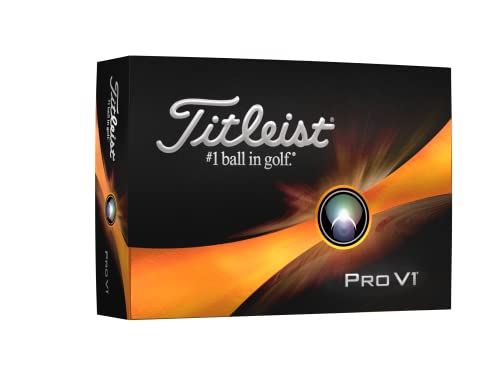
- Titleist Pro V1 Yellow
- Callaway Supersoft Matte Orange
- Volvik Vivid Matte Red
- Srixon Q-Star Tour Divide
Give these a swing next time you’re out on the course, and notice how much easier it is to keep an eye on your shots. It might just spare you the headache of a lost ball and maintain that momentum you’ve worked so hard to build.
Enhancing Visibility with Bright Colored Golf Balls
If you’ve ever watched a pro tournament, you might’ve noticed how often brightly colored golf balls are popping against the greens and fairways. That’s because pros know the value of visually tracking their shot throughout its flight. You too can benefit from this simple trick. By switching to golf balls in hues like neon yellow or vibrant orange, you’ll see your ball soar and land with greater ease, even on cloudy days.
But why exactly does color make such a difference? Science has your back here: bright colors stand out against the various backgrounds found on a golf course. Green grass, blue skies, even the duller tones of rough and sand traps can’t compete with the stark contrast a neon ball provides. It’s not just hype either – these colors are especially effective during the fall and winter when leaves and frost can camouflage a traditional white ball.
On top of the visual benefits, don’t forget the psychological aspect. There’s a confidence boost when you hit a ball you know you won’t easily lose. This bit of assurance can even translate into a smoother swing and better overall performance. And really, isn’t that what all golfers are aiming for?
While you’re scouting your options, keep an eye out for matte finish balls too. They’re not just trendy – the non-glare surface really helps on sunny days. Plus, if you’re into softer feel around the greens, many of these matte balls offer just that. It’s about finding that perfect combo of visibility, playability, and feel.
To integrate these high-vis balls into your game:
- Start by choosing a few different colors and finishes.
- Test them on the course under various conditions.
- Gauge how much the color impacts your ability to follow the ball’s flight.
Remember, while bright colors are helpful, they’re only part of the equation. Your skill and experience play the larger role in keeping that ball in play.


Utilizing Golf Ball Marking Techniques
When you step onto the course, losing a ball can throw off your game. That’s why marking your golf balls is a trick you’ll want to master. This simple strategy not only helps distinguish your ball from others but also aids in ball recovery if it lands in a less visible area.
Personalized marks on your ball can serve as a way to identify it quickly. You might use a sharpie to draw symbols, initials, or even a unique pattern. This makes it easier to confirm it’s your ball at a glance without having to pick it up or squint at small numbers on the ball.
Let’s dive into some effective marking techniques:
- Aligning for Putting: Draw a straight line on your ball to align with the hole or intended line of play. This assists in aiming and maintaining a consistent stroke on the greens.
- Sight Enhancement: Consider bold colors for your markings. Fluorescent greens or blues can complement the high-visibility golf balls you’re already using.
- Golf Ball Stamps: If you’re not into freehand drawing, customizable golf ball stamps are available, offering a variety of symbols or monograms to press onto your ball.
Remember, a well-marked ball can also prevent penalties in tournaments. Accidentally playing a wrong ball can be costly to your scorecard. Develop a habit of checking your marks before teeing off and while on the green. This not only keeps you within the rules but also maintains a smooth pace of play.
Additionally, if you’ve chosen a matte finish ball, opt for a permanent marker that won’t smudge or fade easily. Test out different marker types if necessary, to find one that adheres well to your preferred ball finish. Keep in mind that the type of mark you choose is more than just functional; it’s a reflection of your personality on the course. Embrace the process and have fun with it—it’s part of your unique golfing signature.
Improving Accuracy to Minimize the Chance of Losing Your Golf Ball
As you hone your skills on the course, one of the key strategies is to improve your accuracy. Not only does precision help you score better, but it also drastically reduces the likelihood of losing your golf ball. Here are a few ways to help you keep your golf ball in play and off the strangers’ lawns.
First and foremost, practice your swing. A consistent swing leads to consistent shots. Work on your stance, grip, and follow-through to refine your technique. Consider spending time with a coach or using video analysis tools to pinpoint any flaws and correct them.
Next, focus on your course management skills. Being able to read the course, the wind conditions, and understanding when to play it safe can save you from the risky shots that often send balls astray. It’s not always about power; sometimes a well-thought-out iron shot is more effective than a driver.
- Select the right club for the distance and desired shot shape.
- Aim for the center of the fairways and greens to give yourself a margin for error.
- Know when to lay up to avoid hazards.
Strategic practice is also essential. Spend time on the driving range but don’t just aimlessly hit balls. Practice with a purpose:
- Work on hitting targets.
- Adjust your alignment and experiment with shot shapes that could come in handy on the course.
Golf balls can easily disappear into long grass and underbrush so keep your eyes sharp during your shots and try to follow the ball until it stops moving. If you’re playing a particularly difficult shot, ask for a spotter. Playing with a partner or in a group allows others to help keep track of your ball’s flight.
Lastly, equipment can play a role in accuracy as well. Ensure you’re using clubs suited for your level of play and get properly fitted if you haven’t already. The right equipment can make a significant difference in your ability to hit the ball straight and true.
Remember, improving your accuracy is a continuous journey. Incorporate these tips into your practice sessions and course management, and you’ll likely see a decrease in lost balls—and a boost to your scoring. Keep refining, practicing, and strategizing, and you’ll find your confidence, as well as your accuracy, increasing with each round.
Utilizing Golf Ball Finders and GPS Devices
If you’re serious about not losing your golf ball on the course, it’s worth considering the latest technology designed for this very purpose. Golf ball finders and GPS devices can be game-changers, especially on courses with tricky layouts and hazards galore.
Golf ball finders work by using a combination of high-visibility LEDs and advanced optics; some even employ smart technology that connects to your smartphone. You shine the device across the rough and, thanks to the tech, your ball reflects light differently than the surrounding foliage. This makes it less of a needle in a haystack and more like a beacon at night.
GPS devices, on the other hand, show you exactly where you are on the course. Not only do they help you navigate the terrain with aerial views, but they also give you key details, such as distances to the front, middle, and back of the green. By understanding the layout, you can strategically place your shots to areas that minimize the risk of losing your ball.
Here are some of the benefits that these technologies offer:
- Reduced search time for that wayward shot
- Strategic insights into the terrain and hole layout
- Boost in confidence knowing exactly where your ball is or where you’re headed
When selecting a golf ball finder or GPS device, you’ll want to consider battery life, range, accuracy, and ease of use. Some devices come with subscription-based services that provide detailed course maps and updates. A table of some features might look like this:
| Feature | Golf Ball Finder | GPS Device |
|---|---|---|
| Purpose | Locates your golf ball | Provides course layout |
| Technology | LEDs, optics, smartphone | Satellite technology |
| Benefit | Quick ball retrieval | Hole by hole guidance |
| Key Consideration | Range and battery life | Subscription services |
Remember, a golf ball finder is ideal for when you’re practicing solo – it’ll literally light the way to your ball. A GPS device, meanwhile, not only helps in finding your ball but also in preventing the ball from getting lost in the first place. By knowing the course like the back of your hand, you’ll make smarter plays and keep your ball in safe zones.
Practicing Proper Ball Management during a Game
As you navigate the course, ball management becomes critical in ensuring your prized golf ball doesn’t end up lost or in a hazard. Your strategy begins the moment you tee up and demands your attention on every shot thereafter.
Visualize Your Shot
Visualization is key. Before you even place your ball on the tee, picture the shot you want to make. This mental practice helps you identify potential risks and enables you to commit to a clear flight path for your ball. Hold that image in your mind as you set up your shot and swing.
Adapt to Wind Conditions
Wind conditions can wreak havoc on your golf ball’s trajectory. You’ll need to adjust your approach to account for whichever way the wind blows. When it’s against you, choose a more lofted club; with the wind, you might be able to go down a club. Adaptability is essential, and paying attention to the wind can save your ball from an untimely disappearance.
Play the Percentages
Smart golf isn’t just about aggression; it’s about playing the percentages. You’ve got to know when to go for the green and when to play it safe. If your chances of landing on the green are slim, consider laying up. It might not feel as heroic, but it’ll keep you from losing balls and racking up penalty strokes.
Commit to Your Approach
Doubt is the enemy of a good golf shot. Once you’ve decided on a shot, commit to it fully. Indecision can lead to a half-hearted swing, which often sends the ball veering off course. Don’t let uncertainty cloud your execution.
Remember, ball management isn’t just about the offensive play, it’s about mitigating risk and playing intelligently. Keep these tips in mind, and watch as you spend less time searching for errant balls and more time sizing up birdie putts.
Conclusion
Frequently Asked Questions
How can I improve the accuracy of my golf swing?
Practicing regularly and refining your swing technique are key for improving accuracy. Also, strategic practice, like aiming at targets and varying shot shapes, can help enhance your precision on the course.
What should I focus on for better course management in golf?
Focus on selecting the right club, aiming for the center of fairways and greens, and knowing when to lay up to avoid hazards. Good course management strategies can significantly reduce the risk of losing your ball.
Can playing with others help me not lose my golf ball?
Yes, playing with a partner or in a group provides additional eyes to help track the flight and landing of your ball, minimizing the chances of losing it.
Are there technological aids to prevent losing golf balls?
Golf ball finders and GPS devices can be used to help locate your ball and provide insights into the course layout. These tools can decrease search time and improve your overall game confidence.
What ball management techniques can I employ during a game?
Visualize your shot before taking it, adapt your play to wind conditions, focus on playing the percentages, and fully commit to your approach. These strategies will help you mitigate risks and reduce the need to search for lost balls.