Mastering the art of stopping a golf ball on the green is like holding the secret key to a treasure chest—it can turn a good round into a great one. You’re about to unlock that chest, learning the techniques that’ll give you control and finesse, just like the pros.

The Importance of Stopping the Golf Ball on the Green
As a low-handicapper, you know that your short game can make or break your score. Stopping a golf ball on the green isn’t just about showing off; it’s a skill that can dramatically improve your chances of scoring par or better. It’s about the precise control, the difference between a tap-in and a stressful putt, and turning three shots into two.
Imagine approaching the green, confident that you can land the ball within a whisper of the pin. That kind of accuracy is what separates proficient golfers from weekend warriors. Stopping the golf ball effectively means you’re playing the course, not just going through the motions. Every stroke counts, and each time you stick the ball close, you’re one step closer to a birdie—or even an eagle on a par 5.
Mastering this element of golf involves understanding the factors that contribute to the ball’s behavior on the green. Spin, trajectory, and slope of the green all play a part. When you’re able to read the green’s intricacies, gauge the wind, and choose the right club and shot for the situation, you’ve got a powerful tool in your arsenal.
Moreover, the psychological advantage of consistently stopping the ball on the green cannot be overstated. When your competitors see your ball halting near the hole round after round, it puts pressure on them to match your skill. Plus, there’s nothing quite like the boost of confidence you feel when you’ve executed a shot to perfection.
Here are a few tips to get you closer to where you need to be:
- Focus on the landing spot rather than the hole.
- Work on your backspin by striking the ball with a descending blow.
- Practice with different clubs to understand how each affects the roll.
Remember, with enough practice and attention to detail, the ability to stop the ball on the green moves from being an occasional triumph to a reliable part of your golf game.
Understanding the Factors Affecting Ball Stopping
Grasping the subtleties of golf is what differentiates novices from seasoned players like you. To achieve that coveted ‘stick’ on the green, you need to factor in several elements. Club selection and ball type play pivotal roles, but that’s just the start.
When you’re out on the course, assess the lie of the land. Is the green firm or soft? The firmer the green, the harder you’ll have to work to impart spin. On the other side, a soft green is more forgiving and receptive to the ball’s spin, helping it stop dead.


« How to Keep Golf Ball Low: Master the Low Shot with These Pro Tips
What to Clean Golf Balls With: 3 Simple Methods for a Brilliant Shine »
Take the weather into account as well. On a damp day, the ball won’t roll out as much; conversely, dry conditions may require extra backspin. Checking for wind direction is a given – it can drastically influence the ball’s flight and stopping power.
Tactics for Ball Placement
Once you’ve sized up the conditions, precision is your friend. Here’s what you should be doing:
- Aim for the optimal landing spot on the green
- Choke down on the club for improved control
- Adjust your swing speed – sometimes gentler is better
- Master the art of spinning the ball with your wedges
Course management is key. Don’t just play the green, play the approach. Is there a slope you can use to your advantage? Sometimes it’s not just about stopping the ball but controlling where it ends up after the initial contact.
The Role of Golf Equipment
Your gear can make or break your efforts. Wedges with fresh grooves and premium golf balls designed for spin are investments you can’t overlook. Trust us, they make a difference. Brands matter less than the condition and suitability of the equipment for your playing style.
Always remember that you’re playing with physics. Golf isn’t just a physical game; it’s a mental one, too. Anticipate, strategize, and execute. With time and practice, your ability to stop the golf ball on the green will not just become a skill – it’ll be your signature.
Choosing the Right Equipment for Ball Stopping
As you refine your golf game, knowing that clubs and balls play a vital role in ball stopping is essential. Selecting the proper equipment isn’t just a matter of personal preference; it’s a strategic decision that can make a significant difference in your performance.
Golf Clubs are the first piece of the puzzle. You want to look for wedges with the right bounce and groove design. A high-bounce wedge is excellent for soft conditions or fluffy sand, while a low-bounce wedge can be more beneficial on tight lies and harder conditions. The groove design, as well, can influence the spin rate and help you stop the ball more effectively. Clubs with fresher, sharper grooves will typically give you more spin, which, in turn, aids in halting the ball quickly on the greens. Keep a check on the condition of your wedges; those worn-out grooves aren’t doing you any favors.
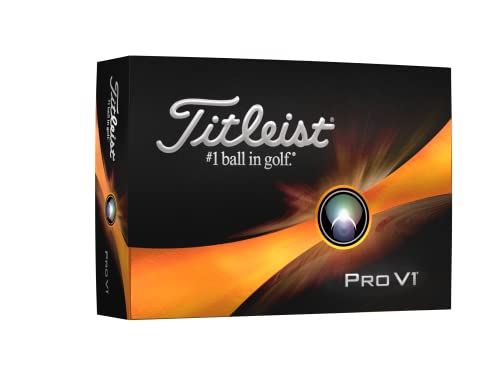
When it comes to Golf Balls, remember, not all are created equal. The construction of the ball is critical. Tour-level balls often feature multi-layer designs with urethane covers that are excellent for generating spin and control. To break it down, here’s what you should consider:
- Construction: Multi-layer balls with softer covers offer better spin control.
- Compression: Lower compression can improve control for players with a slower swing speed.
- Cover Material: Urethane covers are generally better for spin than Surlyn covers.
Let’s not forget about the Grips. A fresh grip can give you the confidence and control to attack the pin and stop the ball dead. It’s simple, yet many golfers overlook the condition of their grips. Here are the essentials:
- Replace grips regularly to maintain traction.
- Choose a grip thickness that allows your fingers to wrap around comfortably.
Remember, while quality equipment is invaluable, it should go hand in hand with your skill level and physical capabilities. It’s always a good idea to get fitted professionally, ensuring your clubs are tailored to your swing. This personal touch can be the edge you’re looking for to drop those extra shots and really stick it close to the pin.


Mastering the Technique: Proper Contact and Spin
To really get a handle on stopping your golf ball on the green, you’ve got to nail the swipe at it. Proper contact with the ball is paramount. You’re looking for that crisp, clean hit that makes a golfer’s heart sing. It’s about hitting the ball then the turf, creating a divot in front of where your ball was resting. If you’re getting this right, you’re on track to seeing your ball dance – then halt – on the green.
Imagine the scene: You make impact slightly below the ball’s equator, with the clubface angled just so, to increase your chances of generating backspin. This isn’t just about hitting the ball harder; it’s finesse, the kind that comes with practice, and lots of it. The right angle and contact will send the ball spinning backwards even as it travels forward. The result? It’ll hit the green and stop dead in its tracks.
Let’s talk about spin rate. Did you know that the ideal spin rate for stopping a golf ball on the green is typically between 2500 and 3000 revolutions per minute (RPM)? Here’s a quick rundown of average spin rates based on club selection:
| Club | Spin Rate (RPM) |
|---|---|
| Wedge | 10,000 – 12,000 |
| 9 Iron | 8,000 – 9,000 |
| 7 Iron | 7,000 – 8,000 |
Of course, these numbers can vary based on the shot you’re taking and the conditions you’re playing in. But if you’re consistent with your swing and making solid contact, you’re more likely to hit these spin rate sweet spots.
It’s also worth mentioning that to maximize backspin, without increasing swing speed, focus on the sharpness of your grooves and the quality of the ball. A premium golf ball with a soft cover will typically increase friction at impact, which translates to more spin.
Don’t forget your posture. Standing with your weight slightly forward, with the ball positioned back in your stance can promote a steeper angle of attack – again, increasing your chance at backspin. This position encourages that ball-then-turf contact which is crucial for generating spin.
Practicing and Developing Consistency
To really hone your ability to stop a golf ball on the green, you’ve got to put in the practice. That good old saying “practice makes perfect” couldn’t be truer for golf. But it’s not just about practicing; it’s about practicing right. Your approach should be structured and systematic, focusing specifically on the elements that lead to consistently stopping the ball.
First, ensure you’re dedicating time to practicing with different clubs. Your wedges will be your go-to, so start there and understand how each behaves on approach shots. Here’s a simple drill: choose a target on the practice green and hit 10 balls with your pitching wedge, aiming to land each ball as close to the target as possible. Repeat this exercise with your sand wedge, then your lob wedge, and note the differences in spin and stoppage.
Work on Your Strike: The best spin rates come from clean, crisp contact. Focus on hitting the ball first, then the turf. You could practice this by placing a small piece of paper or a thin rubber mat just in front of the ball when you practice. If you’re hitting the item, your contact is too late.
Adjust Your Swing Speed: It’s tempting to swing harder for more spin, but often a smooth tempo will give you better control. Experiment with swing speed – your goal is to find a pace that gives you a reliable spin without sacrificing accuracy.
Remember to pay attention to your equipment, too. Clean grooves on the clubface are essential for creating that necessary friction for spin. Make it a habit to check and clean your clubface before each shot during your practice rounds.
Mastering the stop on the green also requires mental practice. Visualize the shot before you take it. Imagine the ball’s flight, landing spot, and the way it will roll and stop.
Finally, don’t get discouraged if progress seems slow. It’s a complex skill that even pros are continually working to perfect. Keep a practice log and you’ll likely see improvement over time in your ability to stop the ball swiftly on the green. The satisfaction of watching a well-struck golf ball dance to a standstill on the green is well worth the effort you’re putting in.
Conclusion
Frequently Asked Questions
What is the key to stopping a golf ball on the green?
Proper contact, angle, and generating backspin are crucial to stopping a golf ball on the green. Mastery of these elements allows the ball to land softly and stay put.
How can stopping the ball on the green improve my golf game?
Being able to stop the ball on the green enhances your chances of scoring at or under par, giving you a psychological edge and improving your overall game.
What factors affect the ability to stop a golf ball on the green?
Spin, trajectory, and the slope of the green are influential factors. Additionally, posture, the condition of the grooves on the club, and the quality of the golf ball play a role.
What is the ideal spin rate for stopping a golf ball?
The ideal spin rate depends on the club selection and the desired stopping distance. Average spin rates vary, but understanding your own clubs’ rates through practice is vital for precision.
How can I improve my skill at stopping the ball on the green?
Practice with different clubs to understand how each affects spin and stoppage. Focus on striking the ball correctly, adjusting swing speed, and ensuring clean grooves on the clubface for optimal contact.
Why is it important to keep a practice log?
Keeping a practice log helps track progress, identify patterns, and make informed adjustments to your practice regimen. It serves as a motivational tool to recognize improvement over time.