When it comes to improving your short game, the golf ball you choose can make a bigger difference than you might think. It’s not just about technique or practice—picking the right ball for your skill level can help you gain better control, improve spin, and ultimately lower your scores. Whether you’re a beginner or a seasoned player, the right ball can complement your strengths and address your weaknesses.

You don’t need to be a pro to see the impact of ball selection on your performance around the greens. From soft feel to precise spin control, understanding what works best for your game can transform how you approach those crucial short shots. Ready to take your short game to the next level? It all starts with choosing the ball that’s right for you.
Understanding The Importance Of Ball Selection
Ball selection directly affects your short game performance. The ball’s design, including its cover material and construction, influences spin, feel, and control during approach shots, chips, and putts. For example, a urethane-covered ball generates more spin, giving you better stopping power on the greens.
Higher spin rates help experienced golfers execute precise shots. If you have a lower handicap, choosing a ball with more spin allows for better shot shaping and control on shorter shots. Conversely, beginners may benefit from a ball with lower spin to achieve more consistency and reduce side spin.
Compression rating plays a role in how the ball reacts to impact. Soft compression balls offer a better feel around the greens, ideal for players who prioritize touch and finesse in their short game. Higher compression balls tend to suit golfers with faster swings, as they maximize performance when struck with high force.
Durability matters, especially in frequent practice. Urethane-covered balls provide excellent control but may scuff more quickly. On the other hand, ionomer-covered balls last longer, making them a practical choice for those focusing on repeated drills.
Understanding how your ball behaves under specific conditions can transform your short game. In wet conditions, for instance, softer compression balls tend to react more predictably, helping you maintain control. Assess your preferences and playing style to align ball characteristics with your goals on and around the greens.
Factors To Consider When Choosing A Golf Ball
Choosing the right golf ball plays a pivotal role in improving your short game. By understanding key factors like compression, cover materials, and durability, you can find a ball that complements your skill level and playing style.
Compression Ratings And Their Impact
Compression affects how a ball reacts upon impact with the clubface. Low-compression balls (below 70) compress more, creating a softer feel and helping slower swing speeds generate distance and control. High-compression balls (90 and above) require faster swings to optimize energy transfer but deliver enhanced control for skilled players. If your short game relies on precision and feedback, higher compression balls might give you the responsiveness you prefer.


Cover Materials And Spin Rates
« Water Resistance: Do Any Golf Balls Float? Exploring the Science Behind It
Durability Champions: Long-Lasting Golf Balls That Deliver Performance Round After Round »
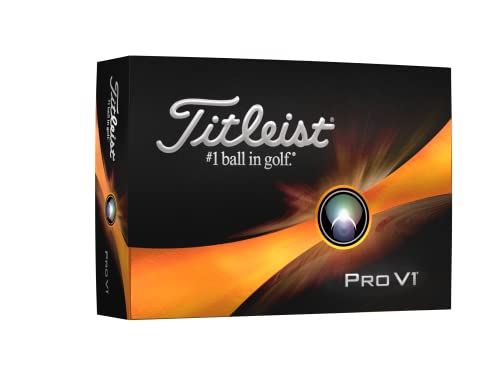
Cover material influences spin, feel, and stopping power. Urethane covers, often used on premium balls, produce higher spin rates, allowing better control on chips, pitches, and approach shots. For example, Titleist Pro V1 and TaylorMade TP5 feature urethane covers, a staple for low handicappers seeking pro-level green-side control. Ionomer covers, common on two-piece balls like Srixon Soft Feel, provide less spin but increased durability, typically favored by players prioritizing consistency.
Durability And Performance Balance
Durability impacts cost-effectiveness and playability. Urethane-covered balls yield exceptional short-game performance but wear out quicker, especially when exposed to hard bunker shots or cart paths. Ionomer-covered balls last longer, offering a more budget-friendly choice for golfers who play frequently. You might want to weigh how often you play and the trade-off between control and longevity when deciding between these materials.
Ball Selection For Different Skill Levels
Choosing the right ball based on your skill level is essential for improving your short game. Each skill level benefits from specific ball characteristics that complement your style and enhance performance in different areas of the game.
Beginners: Prioritizing Control And Forgiveness
As a beginner, focus on control and forgiveness during your short game. Ionomer-covered balls are a great starting point, offering lower spin for consistent accuracy and durability to handle repeated impact. A low-compression ball, such as 2-piece constructions, provides a softer feel and more distance on slower swings. Examples include Titleist TruFeel and Callaway Supersoft, which promote confidence as you build your skills.
Intermediate Players: Finding The Perfect Balance
For intermediate players, look for a ball that balances spin, distance, and feel to refine your short game. A urethane-coated 3-piece ball can improve greenside spin without sacrificing mid-range control. Moderate compression ratings around 70–90 match varied swing speeds common to intermediate golfers. Options like the Srixon Q-Star Tour or Bridgestone Tour B RX combine versatility and enhanced performance, helping you boost consistency and control on short shots.
Advanced Players: Maximizing Performance And Precision
As an advanced golfer, you require maximum precision and performance from your ball during short game situations. Premium urethane-covered balls, such as the Titleist Pro V1 or Bridgestone Tour B XS, deliver exceptional spin control, feel, and stopping power. High-compression ratings above 90 match faster swing speeds, allowing you to manipulate trajectory and spin with finesse. These balls enhance your ability to perform specialty shots and excel under challenging conditions on the green.
Testing And Evaluating Golf Balls For Your Short Game
Selecting the perfect golf ball for your short game requires thorough testing. On-course evaluations and tracking key performance metrics help determine how a ball fits your playing style.
On-Course Testing Methods
Simulating real-game conditions offers the most accurate assessment of your golf ball’s short-game performance. Practice approach shots from 50-100 yards with wedge lofts that you frequently use. Observe how the ball reacts on the green, noting spin, stopping power, and roll-out. Test various chip shots around the green, incorporating different lies, such as tight fairway grass and rough, to evaluate versatility.
Include putting performance in your tests. Roll putts of varying distances to assess how the ball feels off your putter face and how consistently it holds its line. Switching between balls during these tests provides direct comparisons, highlighting tangible differences in trajectory, spin, and feel.
Key Metrics To Track During Practice
Track specific metrics to ensure your testing yields actionable results. Focus on spin rates, as these directly impact control and stopping ability. High-spin balls, like those with urethane covers, usually offer more precise stopping power for skilled short-game shots.


Monitor consistency in distance and trajectory, especially with wedges. Consistent flight patterns and predictable roll-out allow better accuracy under pressure. Pay attention to feel during chips and putts. A softer ball may improve touch and proximity on delicate shots, while firmer balls often provide consistent feedback for players favoring a sharper response. Keep notes during each test to compare metrics across different ball models and make an informed decision.
Tips For Consistent Short Game Improvement
- Prioritize Feel Around the Greens
Focus on how the ball reacts during chips, pitches, and putts. Opt for balls with urethane covers if you want higher spin and better control. These give soft landings and allow you to shape shots, making them ideal for greenside precision. Test various options to match your personal feel preferences.
- Choose Spin for Increased Stopping Power
Higher-spin balls excel when you need control on approach shots or delicate chips. Balls like the Titleist Pro V1 or Bridgestone Tour B XS maximize spin and provide reliable stopping power, especially on fast greens. Evaluate spin performance in practice conditions to ensure compatibility with your stroke style.
- Match Compression to Your Swing Speed
Lower-compression balls compress more with slower swings, offering better feel and consistency. Players with faster swings gain more control and distance from high-compression options. For finesse short-game shots, softer compression often provides a heightened touch.
- Practice Around Real-World Scenarios
Simulate on-course conditions by practicing chips, flop shots, and putts on greens you frequently play. Note how the ball reacts when landing and rolling toward the hole. Regularly recreating game-like situations reveals the nuanced differences in ball behavior.
- Evaluate Consistency and Predictability
Consistency matters when your goal is precision. During testing, ensure the ball offers repeatable outcomes in trajectory, spin, and rollout. This predictability boosts confidence in your short game and leads to better scoring opportunities. Tools like launch monitors can help measure spin rates for greater accuracy.
- Experiment With Ball Models
Don’t settle on a single ball without comparing alternatives. Use a combination of range sessions and on-course rounds to test options such as the Srixon Q-Star Tour or Callaway Chrome Soft. Keep track of performance differences through written notes or apps designed for tracking on-course stats.
- Refine Ball Selection Over Time
As your game evolves, so should your ball choice. Regularly reassess how your ball performs as your swing speed, techniques, or course conditions change. Aligning your ball with your current level ensures your short game remains an asset.
- Incorporate Regular Feedback
Get insights from playing partners or coaches. Observing how different balls perform in their short games can provide you with fresh perspectives. Input from experienced players helps refine your own ball choices and techniques.
Conclusion
Choosing the right golf ball can be a game-changer for your short game. By aligning your ball selection with your skill level and playing style, you’re setting yourself up for better control, spin, and consistency around the greens. It’s all about finding what works best for you through testing, practice, and a little experimentation.
Remember, the right ball isn’t just about performance—it’s about confidence. When you trust your equipment, you’ll approach every shot with greater focus and precision. So take the time to explore your options, and watch how the right ball can elevate your game to the next level.