You’ve seen them nestled in the grass, gleaming under the sun—a golfer’s trusty companion. But have you ever wondered which golf ball claims the throne as the world’s favorite? Well, you’re about to find out.

From dimple patterns to core construction, the quest for the perfect golf ball has turned into a science. And there’s one that’s risen above the rest, becoming the go-to for amateurs and pros alike.
Stay tuned as we dive into the fascinating world of golf balls and uncover the kingpin of the fairways. You might just be surprised at which little sphere has won the hearts of golfers around the globe.
The Science Behind Golf Balls
As you delve into the intricacies of the perfect golf ball, you’ll find that science and technology are at the heart of its design. Dimple patterns, for instance, aren’t just there for aesthetic appeal but play a vital role in aerodynamics. These small indentations create turbulence in the air around the ball, reducing drag and allowing it to fly farther. Engineers test various dimple shapes and configurations to strike the perfect balance between distance and control.
Beyond the surface, the core construction of a golf ball significantly impacts performance. Multilayer balls have become the norm for players like you who seek precision with every stroke. The inner layers are designed to control spin; the outer layers dictate feel. For instance, a softer cover will typically provide more spin and better control around the greens, which is crucial for your short game where precision is paramount.
When manufacturers consider a ball’s compression, they’re tuning it to the golfer’s swing speed. A higher compression ball suits you if you have a fast swing; it’ll give you more control without sacrificing distance.
Materials matter too. Urethane covers are typically found on premium balls, offering a better feel and more spin control. Surlyn, on the other hand, may not grant the same level of finesse, but it’s durable and more affordable, making it a great practice ball.
The quest for the perfect golf ball is a balancing act. It requires an understanding of:
- Dimple pattern and depth
- Core and cover materials
- Compression rates
- Spin rates
Consider your playing style and what you’re trying to achieve on the course. Whether it’s shaving off a few strokes on long par 5s or sticking it close on the par 3s, there’s a ball that’s been engineered to help. Remember, it’s not just about the gear; it’s how well that gear complements your game. Keep experimenting until you find a ball that feels like an extension of your will, making every round not just a game, but a testament to the science that elevates your performance.


Factors to Consider in Choosing a Golf Ball
« Are Colored Golf Balls Worse? Myth Busted by Experts
Is It OK to Use Yellow Golf Balls? The Truth Behind the Trends »
When you’re in the market for golf balls, it’s not just about picking the most popular brand or the one your favorite pro uses. Your own game is highly personal, and the golf ball you choose should reflect that.
First, consider Spin. Depending on your playing style, you may want a ball that offers more spin for better control on the greens or less spin if you’re looking to improve distance and minimize slicing. Tour-level balls typically provide higher spin rates, which can greatly benefit your short game.
Next, think about Feel. This refers to the sensation you get when the club makes contact with the ball. Some players prefer a soft feel, usually associated with golf balls that have a lower compression rating, which can improve accuracy for slower swing speeds. Others might opt for a firmer feel, which often corresponds to a higher compression ball and can offer more distance.
Durability is also key. High-quality urethane covers tend to offer a good balance between durability and performance, able to withstand the wear and tear of repeated play. Conversely, cheaper options might save you some cash but could cost you in the long run as they might suffer from more cuts and scuffs.
Remember to take into account Price. Just because a golf ball is the most expensive doesn’t guarantee it’s the best fit for your game. Sometimes, mid-range balls can provide nearly the same performance at a fraction of the cost.
Finally, it’s smart to reflect on your Skill Level. If you’re a low handicapper, you’ll likely benefit from performance characteristics found in tour-level balls. However, if you’re working on lowering your handicap, a ball designed for more forgiveness and distance might be the right choice.
Always weigh these factors against your typical courses and conditions. Whether you often play on windy links or soft parkland courses can influence the ball you’ll perform best with. Choose one that’ll play to your strengths and you could see the effects on your scorecard.
The Dimple Patterns: The Key to Performance
When you’re scrutinizing the sea of options for the perfect golf ball, you might glance over one incredibly crucial aspect – the dimple pattern. If you’re keen on shaving points off your game and gaining a competitive edge, you need to dive into this often overlooked feature. Don’t underestimate these tiny indentations; they’re the secret ingredients to aerodynamic magic on the course.
Dimples on a golf ball reduce air resistance, allowing the ball to fly farther and stay stable through windy conditions. Each pattern is meticulously engineered to impact the ball’s behavior, from the distance it travels to the way it reacts upon landing. Manufacturers typically experiment with dimple shapes, sizes, and patterns to optimize flight characteristics.
Here’s the lowdown on some dimple designs you’ll come across:


- Spherical Dimples: The most common type, known for promising a balanced performance.
- Hexagonal Dimples: These can produce less drag and a more penetrating ball flight.
- Shallow Dimples: Aimed at enhancing distance by reducing air resistance.
It’s not just about the number of dimples either; it’s their arrangement that can play a massive role in your ball’s trajectory. A higher dimple count can lead to a higher trajectory, which is ideal for softer landings on the green. Conversely, a lower dimple count can yield a flatter trajectory, suitable for windier conditions.
Experimentation is key. Each time you hit the green, try playing with balls of varying dimple designs to see firsthand how they affect your play. For instance, if you frequently encounter wet and soft course conditions, a ball with deeper dimples might just help you achieve that extra spin needed for better control. On the other hand, in dry conditions with firm fairways, a ball with shallower dimples might help you gain those few extra yards.
Remember, while the most popular golf ball has much to do with branding, sponsorships, and pro usage, it’s the small, precise engineering like dimple patterns that individualize your game. Tailoring these to your swing and the courses you frequent can make all the difference. Keep your ear to the ground and your eye on the ball, and you’re sure to find the dimple pattern that elevates your performance.
Core Construction: The Secret to Distance
When you’re aiming to add extra yards to your drives, understanding the core construction of your golf ball is as critical as perfecting your swing. The core is the engine of the golf ball, influencing not only distance but also feel and control.
Typically, golf ball cores come in two main varieties: solid rubber or multiple layers. A solid rubber core, often found in two-piece golf balls, is designed for maximum compression, leading to increased energy transfer and, ultimately, distance off the tee. On the other hand, multilayer cores provide nuanced performance benefits, catering to golfers with varying swing speeds.
| Core Type | Common Traits | Swing Speed Suitability |
|---|---|---|
| Solid Rubber | Max Compression, Increased Distance | Moderate to High |
| Multilayer | Enhanced Feel, Control, Variable Distance | Low to High |
If you dive deeper into the multilayer core designs, you’ll discover that they can have two, three, or more layers with different materials like ionomers or urethane. These materials offer a blend of softness and resilience, which affects the ball’s behavior as it soars down the fairway.
Choosing a ball with the right core for your swing speed is vital. High-speed swingers might lean towards a harder core for that explosive launch, while those with a gentler swing might benefit from a softer core that deforms more readily, ensuring a better energy transfer.
Here’s a pro tip: Pay attention to the compression rating of the golf ball. It ranges typically between 30 (very low compression) and 90 (high compression). This rating is a direct indicator of the potential distance a ball can achieve, relative to your swing speed.
| Compression Rating | Description | Swing Speed Compatibility |
|---|---|---|
| 30 | Very Low | Low |
| 90 | High | High |
Remember, while the dimple pattern affects the ball’s aerodynamics, the core is what gives your ball the power to cover great distances. Experiment with different cores and compression ratings to find the perfect match for your game that optimizes your driving distance without sacrificing feel on the greens. Keep playing with different balls on a variety of courses and conditions. You’ll learn to notice the subtle differences, and you’ll be driving your golf balls further down the fairway before you know it.
The Most Popular Golf Ball in the World
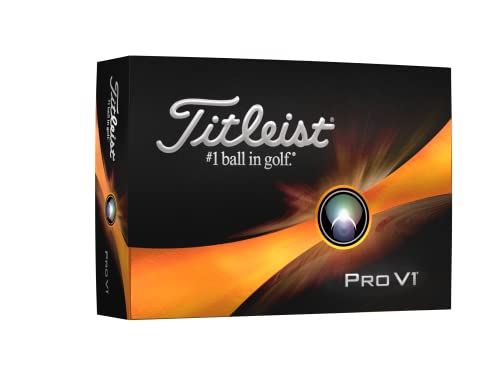
When you’re out on the course, aiming for the green, chances are you’ve knocked around the Titleist Pro V1 a time or two. It’s no surprise that this little gem is often hailed as the most popular golf ball in the world. The Pro V1 combines versatility and consistency, traits that appeal to both professionals and avid golfers like you.
The incredible success of the Pro V1 can be traced back to its revolutionary construction. Titleist engineered a solid core enveloped by a durable Urethane Elastomer cover, delivering not only long distance but also a soft feel. You’ll find this ball offers excellent control on approach shots and a consistent flight, thanks to its Advanced Aerodynamics with 352 tetrahedral dimples. For a low handicapper, these elements aren’t just nice to have; they’re essential for staying competitive.
- Superior quality
- Innovative technology
But beyond the technicalities, the real proof of popularity is on the tours. The Pro V1 is a consistent winner across the board. Some quick stats:
| Tour Championships Won | Percentage of Players Using Pro V1 | Average Driving Distance |
|---|---|---|
| 14 out of 20 | Over 70% | Over 280 yards |
You know that numbers like these don’t lie. They reflect the trust high-level players place in this ball. But what makes it so popular among players like you? Perhaps it’s the confidence it inspires with every shot, knowing that you’re playing with equipment designed for the best.
You might be thinking about swing speed and core relevance, and here’s where Titleist shows its muscle. With a mid-range compression rating, the Pro V1 caters to a broad array of swing speeds without sacrificing performance. Whether you’re after a gentle approach or a powerful drive, this ball can answer the call.
Remember though, while the Pro V1 is a standout, it’s not the only option. Other balls offer different benefits, and your personal preference plays a vital role. The journey to find your perfect match might lead you through various brands, designs, and finishes. Yet, you’ll often find your way back to the familiarity and reliability of the Pro V1. After all, there’s a reason it’s the most popular golf ball worldwide.
Conclusion
You’ve seen how the core of a golf ball can make a significant difference in your game. Whether you’re driving for distance or aiming for precision on the greens, the right core can be a game-changer. That’s why the Titleist Pro V1 has earned its spot as the go-to ball for players around the globe. It’s not just about the innovative design or the superior performance—it’s the confidence it inspires in your play. So next time you’re on the course, remember that the ball you choose can be as crucial as the clubs in your bag. Embrace the Pro V1 or find the ball that suits your swing best and watch your game soar.
Frequently Asked Questions
What determines a golf ball’s performance?
The core construction, along with its material and design, determines the golf ball’s distance, feel, and control. Different cores impact the ball’s flight.
How does core design affect a golf ball?
Core design and materials influence how a golf ball behaves in flight. Solid rubber or multilayered cores can change distance and control characteristics.
Why is it important for golfers to choose the right golf ball core?
Choosing the right core is essential for matching the ball’s performance with a golfer’s swing speed and desired compression rating, for optimal distance and feel.
What is compression rating in golf balls?
Compression rating measures the degree a golf ball deforms under load. It affects the feel and distance and should be matched to a golfer’s swing speed.
What makes Titleist Pro V1 golf balls so popular?
Titleist Pro V1 golf balls are popular due to their superior quality, innovative technology, and consistent performance, catering to a wide range of swing speeds.
Can experimenting with different golf ball cores improve a golfer’s game?
Yes, experimenting with various cores and compression ratings can help golfers optimize driving distance and control without sacrificing feel on the greens.
Is the Titleist Pro V1 suitable for all swing speeds?
The Titleist Pro V1 is designed to cater to a broad array of swing speeds without compromising on performance, making it a versatile choice for many golfers.