Ever wondered if your golf ball choice could make or break your game? Whether you’re a weekend golfer or chasing a lower handicap, the type of ball you use might be more important than you think. The relationship between skill level and golf ball performance is something many players overlook, but it could be the key to improving your game.

As your skills evolve, so do your needs on the course. Some balls are designed for control, others for distance, and some strike a balance between the two. But how much does your skill level actually influence the performance of these golf balls? Understanding this connection could help you make smarter choices and get the most out of every swing.
Understanding Golf Ball Performance
Golf ball performance directly affects your game, from distance off the tee to control around the greens. Knowing what influences ball behavior can help you choose one that complements your skill level and goals.
Key Factors Influencing Golf Ball Behavior
Compression affects how the ball reacts to impact. High-compression balls (90+ compression) suit high swing speeds, generating more control and distance. Lower-compression balls (70 or below) benefit slower swings, providing better feel and more significant distance gains.
Spin rates determine ball trajectory and stopping power. High-spin balls offer better control on approach shots and greenside finesse. Low-spin options reduce side spin, aiding straighter drives and minimizing slices or hooks.
Construction impacts performance. Two-piece balls provide durability and increased distance, ideal for beginners. Multi-layered balls, such as three- or four-piece, enhance spin and feel, catering to mid-to-low handicappers seeking precise performance.
Cover material affects feel and durability. Urethane covers add soft feel and maximum spin, preferred by experienced golfers. Surlyn covers, being more durable, deliver less spin but higher straight-line distance, making them ideal for consistency-focused players.
The Role Of Technology In Golf Balls
Advanced dimple patterns reduce aerodynamic drag and improve lift, promoting consistent flight. Technologies like dual-core designs enhance energy transfer, boosting ball speed without sacrificing control.
Material innovation increases performance. For example, cast urethane covers deliver enhanced greenside spin compared to previously used ionomer materials.


« Five-Piece Golf Balls: Are They Worth the Hype or Just an Expensive Splurge?
Handicap 16+: Best Gear, Tips, and Strategies for Higher Handicappers »
Precision manufacturing ensures consistent quality. Companies use advanced machinery and quality-control systems to refine performance across batches, crucial for reliable results, especially at a competitive level.
The Importance Of Skill Level In Golf
Your skill level directly influences the way you approach the game, including your choice of equipment. Golf balls aren’t just accessories; they’re tools that can complement your abilities and enhance your strengths.
Beginner vs. Professional Players
As a beginner, your focus is on developing consistency and achieving solid contact. Two-piece golf balls, with their durable covers and low-compression cores, offer greater distance and forgiveness, which is ideal for this stage. They help reduce side spin, keeping your shots straighter even when your swing isn’t fully refined.
For professional players or low handicappers, performance demands precision. Multi-layered balls with urethane covers provide the spin control and feel needed for shaping shots, executing better short game strategies, and delivering higher spin rates on the greens. These balls also respond better to faster swing speeds, giving you more control over trajectory and ball flight.
Impact Of Experience On Performance
Your experience shapes your understanding of how golf balls react to swing speed, spin, and impact. An experienced player can capitalize on the performance characteristics of advanced golf balls. For example, understanding how to generate backspin with wedges or adjust launch angles with your driver directly connects to your ability to maximize ball performance.
Less experienced players might struggle to fully utilize these features. Until your swing mechanics are consistent, simpler golf balls with fewer layers can aid distance and minimize mishits. On the other hand, advanced players benefit from aligning ball selection with specific course challenges, such as higher trajectory for approach shots or reduced spin for windy conditions.
Correlation Between Skill Level And Golf Ball Performance
Your skill level significantly influences how a golf ball performs during play. As you refine your technique, understanding ball characteristics becomes essential for consistently improving your game.
Study Methodology and Data Analysis
The study examined golfers across three experience levels: beginners, mid-handicappers, and low handicappers. Participants completed rounds using various golf balls, including two-piece, three-piece, and multi-layered constructions. Key performance metrics such as ball speed, spin rates, launch angle, and carry distance were analyzed under controlled conditions.
Advanced tracking technology recorded shot data to ensure accuracy. High-speed cameras and launch monitors captured real-time ball flight dynamics, offering comprehensive insights into how skill level impacts ball performance. Statistical models were used to establish correlations between the chosen golf balls and the performance metrics for each skill group.
Key Findings And Insights
- Beginners and Two-Piece Balls: If you’re a beginner, two-piece balls consistently deliver greater distance and forgiveness. Lower spin rates help minimize errant shots, making them ideal for building confidence.
- Mid-Handicappers and Three-Piece Balls: As a mid-handicapper, three-piece balls improve control, especially on approach shots. Enhanced spin rates in short-game scenarios allow for greater accuracy around the greens.
- Low Handicappers and Multi-Layered Balls: For golfers with low handicaps, multi-layered balls unlock precision and workability. These balls respond better to your faster swing speeds and provide optimal control on greenside shots. The higher spin and feel they offer are crucial for elevating your short-game finesse.
- Performance Variations by Swing Speed: Faster swing speeds amplify differences in ball construction. Low-compression balls produced lower overall speed for faster swingers, while high-compression balls delivered better energy transfer for the same group.
- Impact of Spin Rates: High-spin balls gave skilled players an edge in shaping shots, but for mid and high-handicap players, excessive spin often led to less predictable ball flight.
This evidence underscores the importance of matching golf ball technology with your playing ability. Whether you’re perfecting your technique or competing at a high level, choosing the right ball enhances both performance and enjoyment on the course.


Choosing The Right Golf Ball For Your Skill Level
Selecting a golf ball that matches your skill level is essential for improving performance and maximizing your potential on the course. As your game evolves, understanding which ball suits your abilities can make a noticeable difference in your score.
Recommendations For Beginners
Beginner golfers often benefit most from two-piece golf balls. These balls feature a solid core and a durable outer cover, making them forgiving and focused on providing maximum distance. With lower compression ratings, two-piece balls help compensate for slower swing speeds, ensuring more yardage with less effort. The reduced spin also minimizes side spin, promoting straighter drives and helping beginners keep the ball in play more often. Popular options include Titleist TruFeel, Callaway Supersoft, and Srixon Soft Feel—all designed to boost distance and forgiveness while keeping costs reasonable.
Options For Intermediate And Advanced Golfers
Intermediate players can gain more control by transitioning to three-piece golf balls, which combine a solid core, a mantle layer, and a soft urethane cover. These balls deliver a mix of distance and spin, ideal for approach shots and greenside control. Models like the Bridgestone e6 and Titleist Tour Speed provide this balance, allowing you to shape shots and fine-tune your short game.
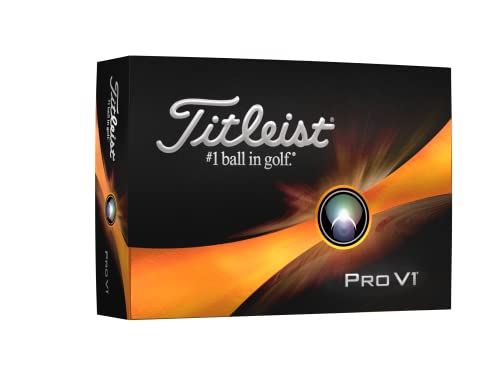
As a low handicapper, you need golf balls designed for precision and workability. Multi-layered balls, such as the Titleist Pro V1 or TaylorMade TP5, optimize spin rates, offer excellent greenside feel, and enhance control with faster swing speeds. Advanced players rely on these characteristics for shaping shots and achieving consistent performance in varying conditions. High compression and a urethane cover also ensure maximum energy transfer, delivering the distance and stopping power required for elevated play.
Limitations And Future Research Directions
Research exploring the connection between skill level and golf ball performance provides valuable insights, but there are limitations to consider. Current studies often use controlled environments, such as indoor simulators, which may not fully replicate real-world course conditions like wind, temperature, or humidity. These variables significantly influence how golf balls perform and must be accounted for to enhance the relevance of findings for everyday golfers.
Sample sizes in existing research are another limitation. While studies categorize players into skill levels like beginners, mid-handicappers, and low handicappers, these groups might lack diversity in terms of swing styles or player demographics. Expanding participant pools could lead to more robust data and tailored recommendations for golfers worldwide, regardless of playing style or locale.
Future research could explore the long-term effects of using particular types of golf balls within each skill category. For example, understanding whether high-spin balls aid low handicappers in consistently lowering scores or if beginners improve faster with distance-focused designs offers actionable insights. Additionally, studying the impact of emerging technologies, like AI-designed dimple patterns or eco-friendly materials, on performance would resonate with golfers at all levels.
Tracking how players progress between skill levels while using different golf balls could also inform ball design. For instance, analyzing how mid-handicappers transition to advanced-tier balls could highlight which features, such as spin control or softer covers, are most beneficial during that period. Combining performance metrics with real-game scenarios ensures golf ball development aligns better with players’ evolving needs.
Conclusion
Choosing the right golf ball isn’t just about brand preference; it’s about understanding how your skill level and playing style influence performance. By aligning your golf ball choice with your abilities, you can unlock better control, distance, and overall enjoyment on the course.
As your game evolves, so will your needs. Whether you’re a beginner seeking forgiveness or an advanced player chasing precision, the right ball can make all the difference. Don’t underestimate the impact of this small yet powerful piece of equipment—it’s a game-changer waiting to happen.